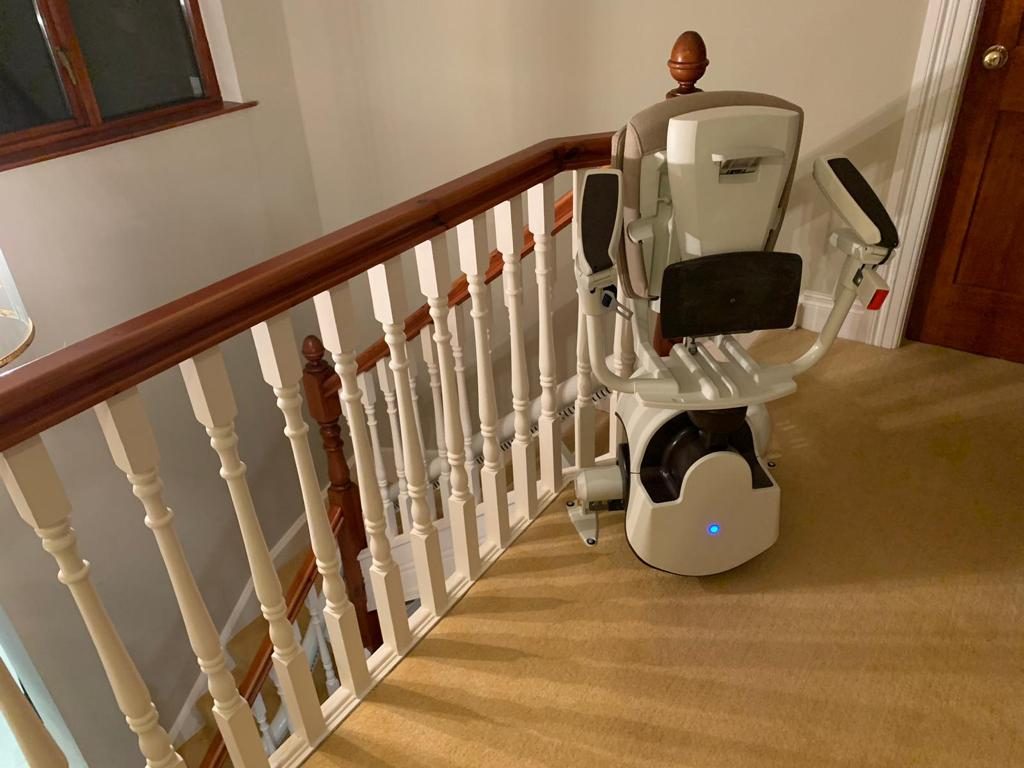
Choosing the best materials for staircase lifts is crucial to ensure safety, durability, and performance. The right materials not only enhance the aesthetic appeal but also contribute significantly to the functionality of stairlifts. Understanding the various material options available can help you make an informed decision tailored to your specific needs.
Steel: Strength and Longevity
Steel is often regarded as one of the best materials for staircase lifts due to its exceptional strength and longevity. It provides a robust framework that can withstand heavy usage without compromising safety or structural integrity. Steel stairlifts are particularly beneficial in high-traffic environments, such as commercial buildings or multi-story homes.
In addition to its strength, steel is resistant to corrosion when properly treated. This characteristic extends the lifespan of stairlifts installed in humid or outdoor conditions. Regular maintenance, including inspections for rust and wear, will further enhance durability and reliability over time.
Aluminum: Lightweight and Versatile
Aluminum offers a lightweight alternative that does not sacrifice strength or stability. Its reduced weight makes installation easier and less invasive on existing structures compared to heavier materials like steel. This flexibility allows aluminum stairlifts to be easily adapted for various configurations, including curved stairs.
Moreover, aluminum is naturally resistant to corrosion, making it an ideal choice for outdoor installations where exposure to moisture is common. While it may not match steel's overall load-bearing capacity, advancements in engineering have allowed manufacturers to create aluminum designs that meet safety standards effectively.
Plastic Composites: Cost-Effective Solutions
Plastic composites represent a cost-effective option for those seeking budget-friendly solutions without sacrificing quality. These materials combine plastic with other substances like fiberglass or wood fibers, resulting in products that are both durable and lightweight.
Composites offer excellent resistance against environmental factors such as moisture and UV rays. They require minimal maintenance compared to metals while providing sufficient strength for residential use cases. However, it's essential to assess their load capacities carefully before installation since they may not support heavier users as well as metal alternatives.
Checklist for Choosing Materials
- Assess Load Capacity: Ensure chosen materials can support expected weight.
- Consider Environment: Evaluate whether indoor or outdoor installation affects material choice.
- Maintenance Requirements: Determine how much upkeep each material will need over time.
- Aesthetic Preferences: Consider how different materials will fit into your home’s design.
- Budget Constraints: Balance cost against desired features and longevity.
FAQ
What is the most durable material?
Steel is typically considered the most durable due to its high tensile strength and resistance against physical damage when maintained properly.
Can I install a stairlift outdoors?
Yes, but ensure you choose weather-resistant materials like aluminum or specially treated steel designed for outdoor use.
How do I maintain my stairlift?
Regularly inspect all components—including tracks, motors, and batteries—for signs of wear; clean surfaces periodically; consult manufacturer guidelines for detailed maintenance procedures.
Understanding these key aspects helps you select suitable materials tailored specifically towards your staircase lift requirements so you can enjoy safe mobility solutions within your home or business environment efficiently.
Quick answers
What are the best materials for staircase lifts?
Good stairlifts use steel or aluminium rails, durable fixings, a strong seat frame and hard-wearing, easy-clean upholstery. Outdoor lifts add corrosion-resistant coatings and weatherproof covers.
How do materials affect stairlift safety?
Strong, well-made rails, fixings and seat frames keep the lift stable and secure. Poor-quality materials can wear or corrode, which is why lifts should come from reputable manufacturers.
Are there eco-friendly materials for stairlifts?
Many manufacturers now use recyclable aluminium and steel and energy-efficient battery systems. Reconditioning a straight stairlift for reuse is another lower-impact option.
Related guides
Stairlift Design Options for Curved Stairs in Northern Ireland
Stairlift design options for curved stairs provide tailored solutions for unique staircases.
Read the guideComparing Stairlift Brands for Curved Stairs in Northern Ireland
Comparing stairlift brands for curved stairs helps you choose the right option for your home.
Read the guideCustom Solutions for Narrow Staircases with Lifts
Custom solutions for narrow staircases with lifts enhance accessibility and safety in homes.
Read the guideBenefits of Professional Stairlift Assessments in Belfast
Benefits of professional stairlift assessments include safety, efficiency, and tailored solutions for mobility needs.
Read the guideStaircase Lifts for Curved Staircases in Northern Ireland
Staircase lifts provide mobility solutions for curved staircases in homes and businesses.
Read the guide