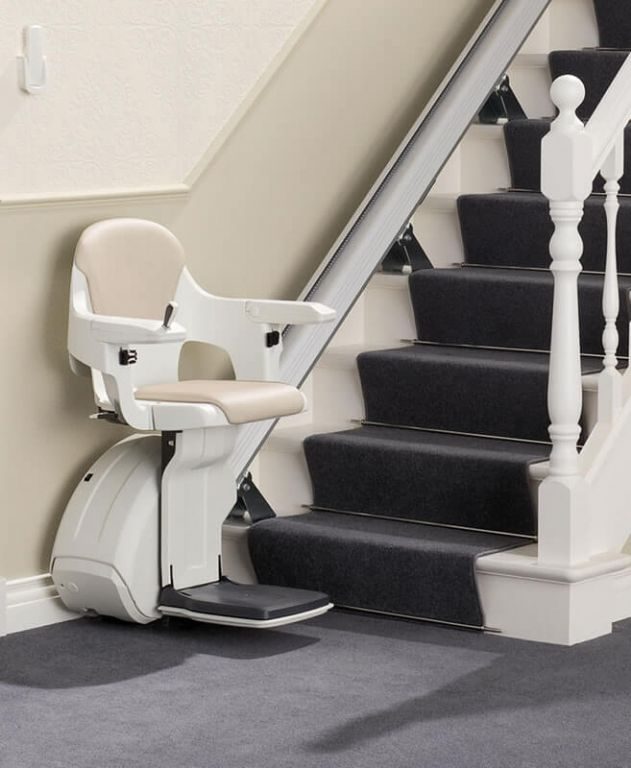
Stairlifts provide essential mobility solutions for individuals with limited mobility. Selecting the right stairlift involves understanding your specific needs, the types available, and how they fit into your home environment. This guide outlines key considerations and steps to ensure you make an informed decision.
Understand Your Needs
Begin by assessing the specific requirements of those who will use the stairlift. Consider factors such as mobility limitations, weight capacity, and frequency of use. For example, if you or a loved one uses a wheelchair or walker, ensure that the stairlift can accommodate these devices comfortably. Additionally, evaluate whether users will require assistance getting on and off the lift.
Next, think about safety features that are crucial for peace of mind. Look for options like seat belts, swivel seats for easy access at both ends of the staircase, and emergency stop buttons. These features enhance user confidence while using a stairlift.
Types of Stairlifts
There are two main types of stairlifts: straight and curved. A straight stairlift is designed for standard stairs without any turns or landings in between. It is typically more affordable and easier to install than its curved counterpart.
Curved stairlifts are custom-made to fit unique staircase designs that include bends or multiple levels. While they tend to be more expensive due to their bespoke nature, they offer greater flexibility in terms of installation locations within your home.
Consider outdoor models if you need access from outside your property into your home. Outdoor stairlifts are built with weather-resistant materials suitable for external conditions.
Installation Process
Once you've selected a suitable model based on your needs and type preference, focus on the installation process. It's advisable to consult with professional installers who specialize in stairlifts; this ensures proper fitting according to safety standards.
During installation:
- Schedule an assessment where professionals measure your staircase.
- Discuss any potential modifications required before installation.
- Confirm timelines so you know when to expect completion.
- Ensure all safety checks are performed post-installation before using it regularly.
Following these steps leads to a secure setup tailored specifically for your home's layout so you can navigate stairs safely every day.
Checklist Before Purchase
- Assess user needs (mobility aids required)
- Evaluate safety features (seat belts, emergency stops)
- Determine type needed (straight vs curved)
- Consult professionals about installation
- Check warranty options
FAQ
What is the average cost of a stairlift?
Pricing depends upon the individual installation, and it will be in the region of £2,000 to £5,000. Straight stairlifts with no extras will be in the region of £2,000 including installation, at the lower end of the scale. More complex stairwells may require a curved stairlift, which may need custom-made parts, and these can cost as much as £5,000 including installation. The exact price will be provided in a written quotation that is based on a survey and conversation about your individual needs.
How long does it take to install a stairlift?
Installation typically takes 2-6 hours depending on complexity but scheduling assessments beforehand helps clarify timelines.
Are there financing options available?
Many suppliers offer financing plans or payment options which allow spreading costs over time; inquire during consultations.
Quick answers
What are the benefits of stairlifts?
Stairlifts give safe, independent access to every floor of your home. They reduce the strain and fall risk of climbing stairs, help people recovering from surgery or living with long-term conditions, and give family members peace of mind.
How do stairlifts work?
A motorised carriage travels along a rail fixed to your stairs. You sit, fasten the seat belt and hold the control lever; the lift moves smoothly to the other end and stops automatically. Most run on rechargeable batteries, so they keep working during a power cut.
What types of stairlifts are available?
The main types are straight stairlifts for a single straight flight, curved stairlifts made to measure for bends, landings and spiral stairs, outdoor stairlifts built for garden steps and entrances, and standing or perch models for narrow stairs or people who find it hard to bend their knees.
Are stairlifts safe to use?
Yes. Modern stairlifts include seat belts, safety sensors that stop the lift if anything is in its path, swivel seats that lock at the top of the stairs, key switches to prevent unauthorised use and battery backup. Regular servicing keeps these features working properly.
Explore stairlifts
Mobility Aids for Stairlifts and Accessibility
Mobility aids enhance independence and safety for users, especially in stairlift applications.
Read the guideHome Accessibility Solutions in Northern Ireland
Home accessibility solutions enhance mobility and safety for individuals in Belfast.
Read the guideSafety Features for Seniors in Belfast
Safety features for seniors enhance mobility and independence in Belfast homes.
Read the guideAssistive Technology for Elderly Solutions and Benefits
Assistive technology for elderly enhances mobility and independence through various devices.
Read the guideIndoor Mobility Enhancements for Stairlifts
Indoor mobility enhancements improve accessibility and comfort in homes and businesses.
Read the guidePersonal Care Equipment in Northern Ireland
Personal care equipment enhances mobility and independence for individuals in need.
Read the guide