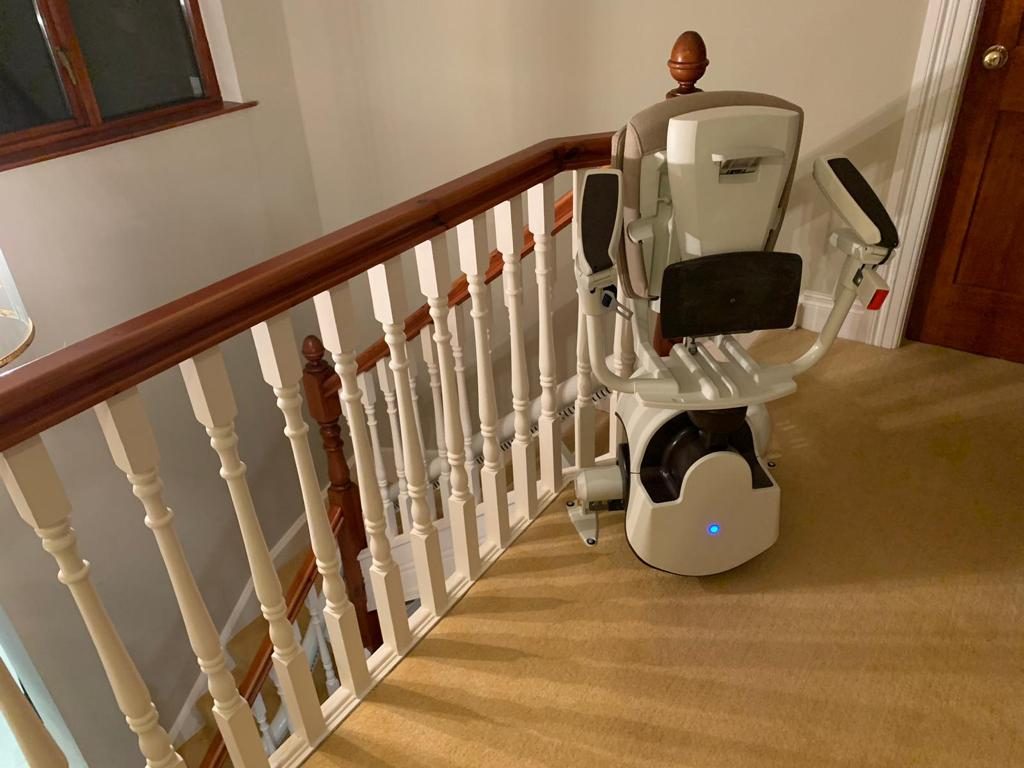
Purchasing a stairlift can significantly enhance mobility and independence in your home. Understanding the financing options available is crucial to making this investment feasible. Various methods exist to help you afford a stairlift, ensuring that financial constraints do not hinder your ability to improve accessibility.
One common option is personal loans. These loans allow you to borrow money from banks or credit unions with fixed interest rates and repayment terms. The amount you can borrow typically depends on your credit score and income level, which means it’s essential to assess your financial situation before applying. Personal loans often have flexible payment plans, allowing you to choose terms that fit your budget.
Another viable option is home equity financing. If you own a home and have built up equity, you may consider taking out a home equity loan or line of credit (HELOC). This method allows you to leverage the value of your property for funding purposes. Home equity loans usually offer lower interest rates compared to personal loans because they are secured by your home. However, it's important to understand the risks involved; failing to repay could lead to losing your property.
Northern Ireland Housing Executive Grants
The Northern Ireland Housing Executive can provide support towards the cost of a stairlift. Various local and national initiatives aim to assist individuals with disabilities or seniors seeking mobility solutions. Its Disabled Facilities Grant helps eligible owner-occupiers and private tenants pay for adaptations such as stairlifts, while Housing Executive tenants can request adaptations directly.
To access these funds, you'll need documentation demonstrating eligibility based on age or disability status. Researching available programs in your area will help identify potential sources of financial aid tailored for mobility solutions.
Additionally, some non-profit organizations focus on helping individuals secure necessary equipment such as stairlifts through funding assistance or low-interest loans. Engaging with these organizations may open doors for financial support that aligns with your needs.
VAT Relief
VAT relief is another avenue worth exploring when considering how to pay for a stairlift. If you have a disability or long-term illness, a stairlift bought for your own use can be zero-rated for VAT, which reduces the price.
You will normally be asked to sign a simple declaration of eligibility when you order, and your supplier can explain how this works.
Before relying on a grant, contact your local Health and Social Care Trust, as an occupational therapist assessment is usually the first step. Understanding what is covered will inform whether this route could alleviate some costs associated with acquiring a stairlift.
Checklist: Evaluating Your Financing Options
- Assess personal finances: Review income levels and existing debts.
- Explore loan options: Compare personal loan offers from various lenders.
- Investigate home equity possibilities: Determine available equity in property.
- Check grant eligibility: Ask about a Northern Ireland Housing Executive Disabled Facilities Grant.
- Check VAT relief: Ask whether your stairlift can be zero-rated for VAT.
- Evaluate non-profit resources: Look into organizations offering financial aid for mobility solutions.
FAQ
What factors should I consider when choosing between financing options?
Consider interest rates, repayment terms, monthly payments relative to income levels, and any potential risks associated with secured versus unsecured debt when evaluating financing options.
Are there specific grants available for seniors needing stairlifts?
Yes. In Northern Ireland, the Housing Executive's Disabled Facilities Grant can help eligible older people with the cost of a stairlift, following an occupational therapist assessment.
How can I ensure my chosen option fits my budget?
Create a detailed budget outlining expected monthly expenses after securing financing; factor in all possible costs associated with installation and maintenance alongside repayments.
By understanding these financing options, including personal savings, payment plans, Housing Executive grants and VAT relief, you can make an informed decision about a stairlift that keeps your home safe and accessible.
Quick answers
What are the best financing options for stairlifts?
Start by checking whether you qualify for a Northern Ireland Housing Executive Disabled Facilities Grant, then ask your supplier about payment options. If you have a disability or long-term illness, the stairlift may also be zero-rated for VAT.
How can I get financial assistance for a stairlift?
Contact your local Health and Social Care Trust and ask for an occupational therapist assessment. This is usually the first step towards a Housing Executive grant or adaptation.
Are there grants available for stairlifts?
Yes. The Northern Ireland Housing Executive's Disabled Facilities Grant can help eligible owner-occupiers and private tenants, and Housing Executive tenants can request adaptations directly. An occupational therapist assessment is normally the first step.