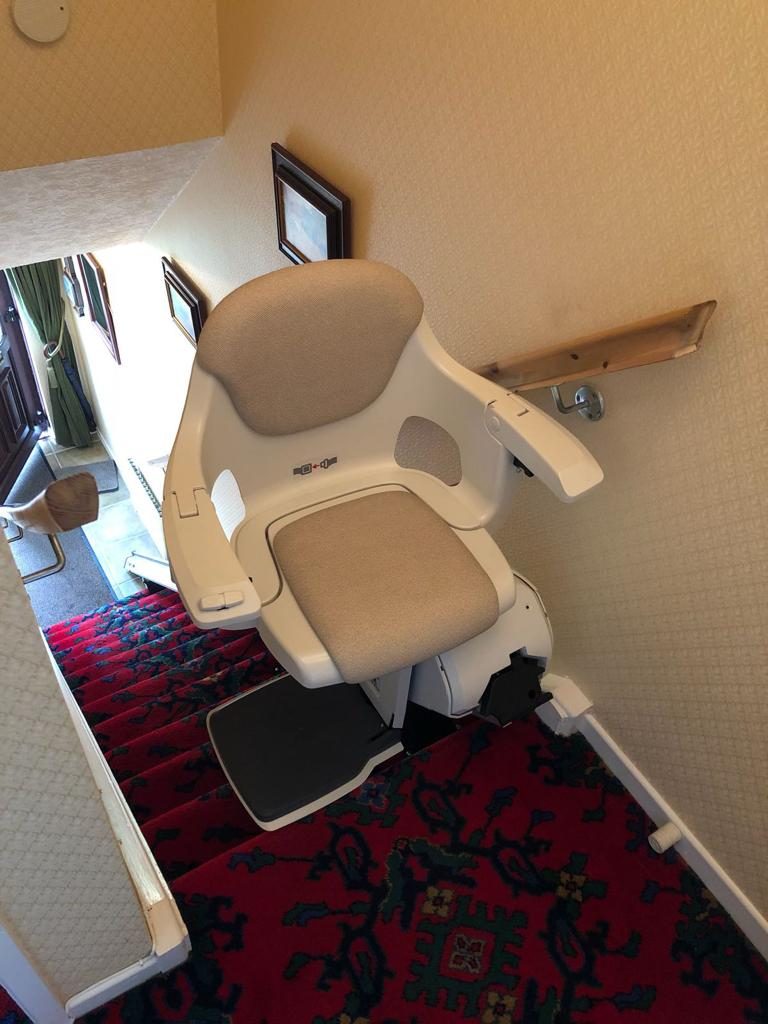
Regular maintenance inspections are essential to ensure the safety and reliability of your stairlift. A well-maintained stairlift enhances mobility and provides peace of mind. This checklist outlines key inspection points to help you maintain optimal performance.
Inspecting Mechanical Components
Begin by checking the mechanical components of your stairlift, including the rail, drive system, and seat mechanism. Look for signs of wear or damage on the rail that could affect movement. Ensure that the drive system operates smoothly without any unusual noises or resistance. The seat should also be secure; check that it locks properly in both the up and down positions.
Additionally, the engineer inspects all moving parts for lubrication needs. Proper lubrication reduces friction and extends component life. If you notice any rust or corrosion on metal parts, address these issues promptly to prevent further deterioration.
Electrical System Evaluation
Next, focus on evaluating the electrical system of your stairlift. The engineer checks electrical connections for tightness and signs of wear, especially where wires meet terminals. Loose connections can lead to power loss or malfunctioning controls.
Test all operational features such as remote controls and safety sensors. Confirm that safety features like emergency stop buttons function correctly under load conditions. If any part of this system fails during testing, consult a technician immediately to avoid potential hazards.
Safety Features Assessment
Safety is paramount when using a stairlift; thus, assessing its safety features is crucial during inspections. Examine seat belts or harnesses for fraying or damage—these are vital in preventing falls during use. Verify that footrests are clear from obstructions and functioning properly.
Check if the lift stops at designated points without overshooting or jerking movements; this ensures user comfort and prevents accidents. Regularly test obstacle detection systems to confirm they halt operation when an obstruction is detected on the track.
Maintenance Inspection Checklist
Mechanical Components
- Inspect rail for wear.
- Test drive system functionality.
- Ensure seat locks securely.
- Moving parts lubricated by the engineer as needed.
- Address rust/corrosion immediately.
Electrical System
- Loose connections tightened by the engineer.
- Test remote control functions.
- Confirm emergency stop button works.
- Consult technician if issues arise.
Safety Features
- Check seat belts/harnesses condition.
- Ensure footrests are unobstructed.
- Test lift stopping accuracy.
- Verify obstacle detection functionality.
Frequently Asked Questions (FAQ)
How often should I perform maintenance inspections?
It’s recommended to conduct maintenance inspections every six months to ensure consistent performance and safety standards are met.
What should I do if I find a problem during my inspection?
If you discover any issues during your inspection, contact a qualified technician immediately for repairs to prevent further complications or risks associated with faulty equipment.
Can I perform maintenance myself?
Only the simplest checks, such as wiping the rail with a dry cloth, keeping the lift on charge and checking the socket and key switch. Repairs, lubrication, battery replacement and any electrical work must be carried out by a qualified engineer.
By following this checklist for stairlift maintenance inspections diligently, you can enhance longevity while ensuring safe operation so you can enjoy uninterrupted mobility throughout your home or business environment effectively.
Quick answers
What is included in a stairlift maintenance checklist?
A maintenance inspection covers the rail, drive, batteries, safety sensors, seat belt, swivel lock, controls and electrical connections, followed by a full test run.
How often should stairlifts be inspected?
Stairlifts in homes should be inspected at least once a year. Outdoor or heavily used lifts benefit from more frequent checks, and lifts in workplaces need regular thorough examinations.
What are common stairlift maintenance issues?
Inspections commonly find worn batteries, a dirty rail, a lift that has been left off charge and noises from worn parts, all of which are easier to fix when caught early.
Related guides
Stairlift Battery Replacement Guide for Homeowners
Stairlift battery replacement guide offers essential steps for replacing batteries safely and effectively.
Read the guideTroubleshooting Stairlift Error Codes in Belfast
Troubleshooting stairlift error codes can help identify and resolve common issues effectively.
Read the guideSteps to Reset a Stairlift System in Belfast
Steps to reset a stairlift system for optimal performance and safety.
Read the guide