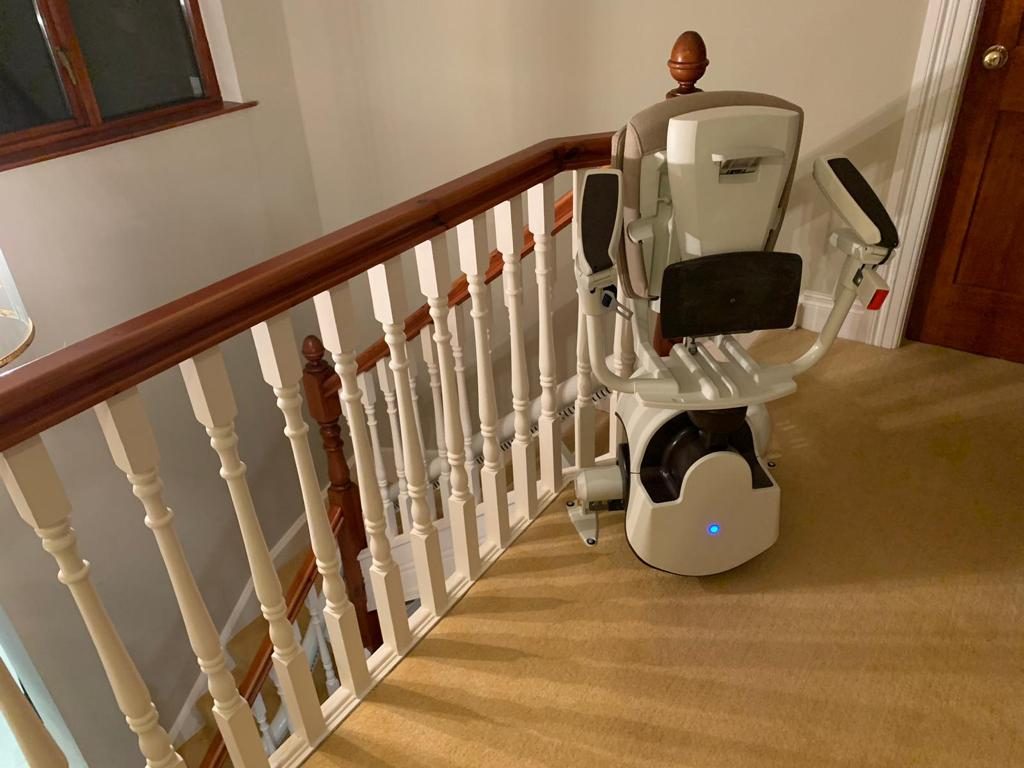
Diagnosing stairlift speed issues is essential for ensuring safety and functionality. A stairlift that operates too slowly can lead to user frustration and potential hazards. Understanding the common causes of speed problems allows you to take appropriate action, whether through maintenance or repair.
Stairlifts rely on various mechanical components and electrical systems to function efficiently. When these elements degrade or malfunction, they can affect the lift's speed. Regular inspections and timely interventions are key to maintaining optimal performance.
Common Causes of Slow Operation
Several factors contribute to slow stairlift operation. One primary cause is wear on the drive system, which includes gears and motors responsible for movement. Over time, these parts may experience friction or damage, leading to a decrease in efficiency.
Another significant factor is battery health. Stairlifts typically use rechargeable batteries that power their operations when not connected to an electrical outlet. If the batteries are old or not holding a charge effectively, this can result in slower speeds during operation.
Maintenance Tips for Optimal Performance
Regular maintenance plays a crucial role in preventing speed issues with your stairlift. Start by checking the tracks for debris or obstructions that could hinder movement. Keeping tracks clean ensures smooth travel along the staircase.
Additionally, inspect all moving parts regularly for signs of wear or damage. Having an engineer lubricate components such as gears and bearings during servicing helps reduce friction and maintain operating speed. It’s advisable to schedule professional servicing annually to address any underlying concerns before they escalate into more significant problems.
- Inspect Tracks: Ensure there are no obstructions.
- Check Batteries: Test battery performance regularly.
- Book Professional Servicing: Apply lubricant as needed.
- Schedule Professional Servicing: Aim for annual check-ups.
So you can ensure your stairlift operates at its best without unexpected delays.
Troubleshooting Steps
If you notice your stairlift operating slower than usual despite regular maintenance, follow these troubleshooting steps:
- Test Battery Charge: Ask an engineer to test the battery voltage.
- Examine Control Switches: Check if control switches respond correctly when activated.
- Assess Rail Alignment: Misalignment can impede smooth travel; adjust if necessary.
- Listen for Unusual Noises: Grinding sounds may indicate internal component failure requiring immediate attention.
By systematically addressing each area, you can identify specific issues affecting speed performance effectively.
FAQ
What should I do if my stairlift stops suddenly?
If your stairlift stops unexpectedly, check for any visible obstructions on the track first; then inspect battery connections and control switches before contacting a technician if problems persist.
How often should I service my stairlift?
It’s recommended that you have your stairlift serviced at least once a year by a qualified technician who specializes in this type of equipment.
Can I perform repairs myself?
Only the simplest checks, such as wiping the rail with a dry cloth, keeping the lift on charge and checking the socket and key switch. Repairs, lubrication, battery replacement and any electrical work must be carried out by a qualified engineer.
Quick answers
What causes slow stairlift speed?
Slow movement is usually caused by low batteries, the lift being left off charge, a dirty rail or worn components.
How to fix a slow stairlift?
Make sure the lift is on charge and the rail is clean. If it is still slow, call a qualified engineer.
When should I call a technician?
Call a technician if the lift is still slow after charging, or if it moves jerkily or noisily.
Related guides
Steps to Check Stairlift Battery Health in Northern Ireland
Steps to check stairlift battery health to ensure optimal performance and safety.
Read the guideTroubleshooting Noisy Stairlift Operations in Northern Ireland
Troubleshooting noisy stairlift operations can help identify and resolve common issues effectively.
Read the guide