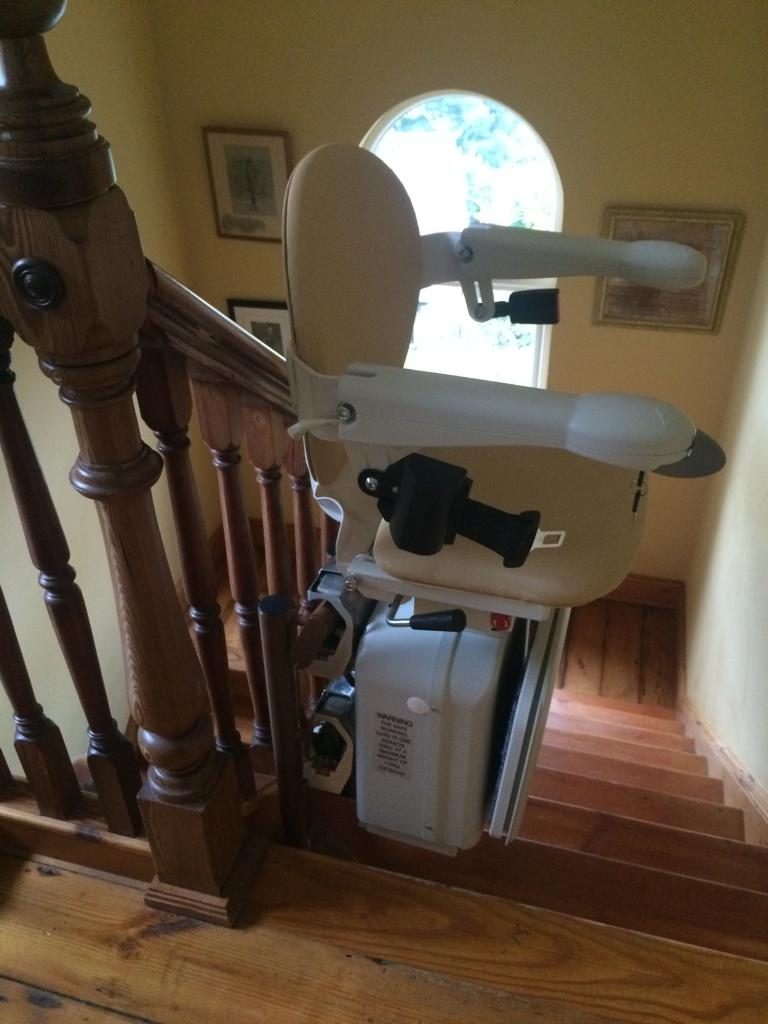
When comparing different stairlift manual formats, it is crucial to understand the various types available and their respective advantages. Stairlift manuals can significantly impact user experience and safety, making it essential to choose the right format for your needs. This guide will detail the common formats of stairlift manuals, outline their features, and provide insights into how they affect usability.
Types of Stairlift Manuals
Stairlift manuals typically come in three main formats: printed manuals, digital PDFs, and video tutorials. Each format has unique characteristics that cater to different user preferences.
Printed manuals are traditional paper guides that accompany most stairlifts. They offer a tangible resource for users who prefer reading physical documents. These manuals often include diagrams and step-by-step instructions which can be beneficial for visual learners. However, printed manuals may not always be updated with the latest information or modifications regarding specific models.
Digital PDFs have gained popularity due to their accessibility and ease of use. Users can store these files on various devices such as tablets or smartphones, allowing them to consult the manual whenever necessary without carrying a physical copy. Additionally, PDF manuals can be easily updated by manufacturers when new features or safety guidelines are introduced.
Video tutorials provide an engaging way to learn about stairlift operation and maintenance. These videos often demonstrate critical procedures visually, making it easier for users to grasp complex concepts quickly. Video content is particularly helpful for those who prefer auditory learning styles or require assistance with installation processes.
Features That Matter
When evaluating different stairlift manual formats, consider several key features: clarity of instructions, accessibility of information, update frequency, and user engagement level.
Clarity of instructions is paramount in any manual format. Clear language combined with well-structured layouts enhances understanding and reduces potential errors during operation or maintenance tasks. Printed materials should use legible fonts while digital formats must ensure text readability across devices.
Accessibility refers to how easily users can obtain the necessary information when needed. Digital PDFs excel in this area since they allow quick searches through keywords or phrases—something not possible with printed versions unless one manually flips through pages.
Update frequency impacts long-term usability; manufacturers should regularly revise all manual types as new models emerge or existing ones undergo changes. Keeping users informed about updates ensures safe operation over time.
Lastly, user engagement levels vary between formats; video tutorials often capture attention more effectively than static texts because they combine visuals with verbal explanations—this dynamic approach helps reinforce learning outcomes compared to traditional reading alone.
Checklist for Selecting a Manual Format
- Assess User Preferences: Determine whether you prefer print-based resources or digital options.
- Evaluate Clarity: Check if the instructions are straightforward and easy to follow.
- Consider Accessibility: Ensure you can access the information conveniently at any time.
- Look for Updates: Verify how frequently the manufacturer updates its materials.
- Engagement Level: Decide if interactive content like videos would enhance your understanding better than text alone.
FAQ
What type of manual is best for beginners?
For beginners unfamiliar with operating stairlifts, video tutorials tend to be most effective due to their visual nature that illustrates key functions clearly alongside verbal guidance.
Are printed manuals still relevant?
Yes, many users still appreciate printed manuals as reliable reference tools despite advancements in digital technology; however they may lack real-time updates compared to online resources like PDFs or videos.
How do I find updated versions of my stairlift's manual?
Check your manufacturer's website regularly; reputable companies usually maintain an online library where customers can download current versions of all associated documentation including both PDF files & instructional videos tailored specifically toward each model offered.
By carefully considering these factors when comparing different stairlift manual formats—printed versus digital—you ensure that you select a resource tailored specifically toward enhancing operational efficiency while prioritizing safety standards so you can operate your equipment confidently every time it's needed.
Quick answers
What are the different stairlift manual formats?
Stairlift manuals usually come as a printed booklet left with you at installation, a downloadable PDF from the manufacturer's website and sometimes a one-page quick-reference card that shows the controls and basic checks at a glance.
How to choose a stairlift manual format?
Most people find it easiest to keep the printed manual or quick-reference card near the stairlift for day-to-day use, with a digital copy saved on a phone or computer in case the paper one goes missing.
What should I look for in a stairlift manual?
A good manual has clear, step-by-step operating instructions, a safety section in plain language, simple checks you can make if the lift will not move, a key to any symbols or error codes, and contact details for servicing.
Related guides
Common Symbols in Stairlift Manuals Explained
Common symbols in stairlift manuals explained to help users understand their meanings and usage.
Read the guideStep-by-step Guide to Using Stairlift Controls
Step-by-step guide to using stairlift controls for safe and effective operation.
Read the guideUnderstanding Stairlift Safety Instructions in Manuals
Understanding stairlift safety instructions in manuals helps ensure safe usage and maintenance.
Read the guideEssential Features to Look for in a Stairlift Manual
Essential features to look for in a stairlift manual include safety, installation, and maintenance guidelines.
Read the guide