Assistive technology for elderly individuals can significantly enhance their quality of life, enabling greater independence and safety. Selecting the appropriate solutions requires careful consideration of specific needs, preferences, and environments. This guide will help you navigate the options available, ensuring you make informed choices.
Understanding Assistive Technology Options
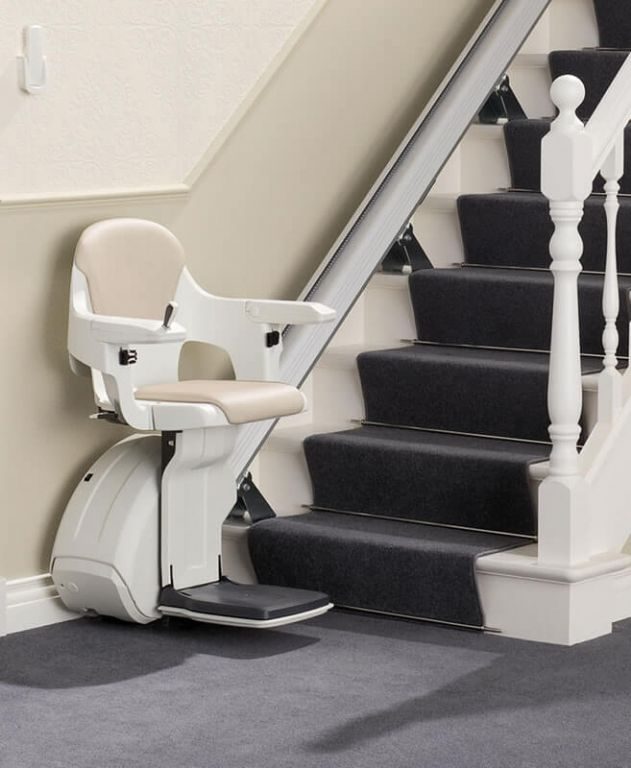
Assistive technology encompasses a wide range of devices designed to assist elderly individuals in daily activities. These include mobility aids such as stairlifts, which facilitate safe movement within multi-level homes or buildings. Stairlifts are particularly beneficial for those with limited mobility who struggle with stairs.
When evaluating options, consider both straight and curved stairlifts based on your home's layout. Straight stairlifts are typically more cost-effective and easier to install, while curved models may require customization but provide essential support in homes with complex stair designs. Assessing your specific situation will help determine which type best meets your needs.
Evaluating Specific Needs
Before making a decision on assistive technology, assess the individual’s physical capabilities and limitations. Factors such as strength, balance, and cognitive function play critical roles in choosing suitable equipment. For example, if an elderly person has difficulty standing up from a seated position or navigating stairs safely without assistance, installing a stairlift could be crucial.
Additionally, consider any existing medical conditions that may influence the choice of assistive devices. Consulting healthcare professionals can provide valuable insights into what technologies would best support daily living activities while ensuring safety at home.
Installation and Maintenance Considerations
Once you've determined the appropriate assistive technology solution like a stairlift, installation becomes vital for its effectiveness. Professional installation ensures that all safety features are correctly implemented according to manufacturer specifications and local regulations.
Maintenance is equally important to ensure ongoing functionality and safety of these devices. Regular inspections by qualified technicians can identify potential issues before they become significant problems. Establishing a maintenance schedule helps prolong the lifespan of your investment while providing peace of mind regarding user safety.
Checklist for Choosing Assistive Technology
- Assess Individual Needs: Evaluate physical capabilities.
- Research Options: Compare different types of assistive technologies.
- Consult Professionals: Seek advice from healthcare providers.
- Consider Environment: Analyze home layout for compatibility.
- Plan Installation: Ensure professional setup for optimal performance.
- Establish Maintenance Routine: Schedule regular checks post-installation.
FAQ About Assistive Technology for Elderly Individuals
What types of assistive technologies are available?
There is a variety including mobility aids (stairlifts), communication devices (hearing aids), personal emergency response systems (PERS), among others tailored to individual needs.
How do I know if my loved one needs assistive technology?
Signs include difficulty performing daily tasks independently or increased risk factors associated with falls or accidents around the home environment.
Are there financial assistance programs available?
Yes. In Northern Ireland, older people may be able to get help with home adaptations through the Housing Executive's Disabled Facilities Grant, following an occupational therapist assessment.
By understanding these key aspects surrounding assistive technology for elderly individuals—options available, evaluation processes needed before selection—and considerations related to installation and maintenance—you can confidently choose solutions that enhance independence while promoting safety in everyday life.
Quick answers
What types of assistive technology are available?
Assistive technology includes stairlifts and home lifts, personal alarms and fall detectors, grab rails and ramps, bathroom aids, mobility scooters and smart home devices that help people live independently and safely.
How does assistive technology improve safety?
It reduces risk in daily activities and gets help quickly if something goes wrong. A stairlift prevents falls on the stairs, while alarms and sensors alert family or carers in an emergency.
What are the benefits of mobility aids?
Mobility aids help people stay independent, keep using their whole home, reduce the risk of falls and lessen the strain on family carers. They often allow people to stay at home rather than move.
Guides in this section
Stairlift Financing Options Explained in Belfast
Stairlift financing options explained, discover various financing methods for stairlifts to enhance mobility.
Read the guideEvaluating Stairlift Warranties in Northern Ireland
Evaluating stairlift warranties helps you understand coverage options and terms.
Read the guide