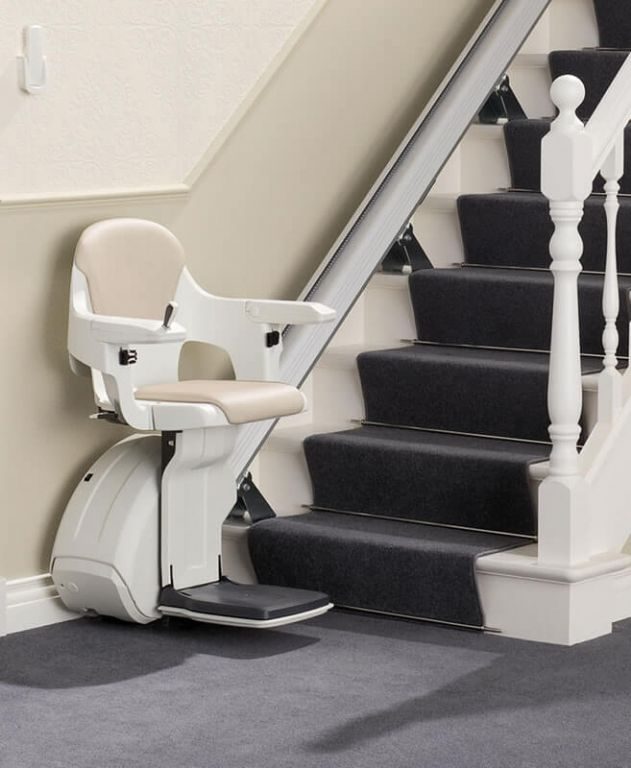
Stairlifts are essential for enhancing mobility in homes and businesses, but operational issues can arise. Understanding how to troubleshoot these problems effectively ensures safe and reliable use of your stairlift. This guide provides a structured approach to identifying and resolving common operational issues.
Common Stairlift Problems
Stairlifts may experience several issues that affect their performance. One prevalent problem is the stairlift not moving when the call button is pressed. This could be due to a power supply issue or an obstruction on the track. First, check if the stairlift is plugged in or if there’s a blown fuse in your electrical system.
Another common issue involves unusual noises during operation. Grinding or squeaking sounds often indicate that maintenance is required, such as lubrication of moving parts or alignment adjustments. Regular inspections can prevent these sounds from escalating into more significant mechanical failures.
Steps for Effective Troubleshooting
- Inspect Power Supply: Ensure the stairlift is connected to a functioning outlet.
- Check Safety Features: Verify that no safety sensors are obstructed by objects.
- Examine Track Alignment: Look for any misalignments along the rail that could impede movement.
- Test Remote Controls: If applicable, ensure remote controls have fresh batteries and function correctly.
- Listen for Unusual Sounds: Identify any abnormal noises indicating potential mechanical issues.
- Consult User Manual: Refer to your specific model's manual for troubleshooting tips tailored to your device.
Following these steps systematically allows you to diagnose most common issues effectively, minimizing downtime.
Maintenance Tips for Longevity
Regular maintenance plays a crucial role in preventing operational issues with your stairlift. Schedule annual professional inspections to ensure all components are functioning correctly and safely maintained according to manufacturer specifications.
Additionally, keep the track clear of debris and regularly clean it with appropriate materials designed not to damage the lift's surface or mechanics. Leave lubrication of moving parts to a qualified engineer at your annual service.
By adhering to these maintenance practices, you enhance reliability while extending the lifespan of your equipment significantly.
Checklist for Troubleshooting Stairlifts
- Confirm power supply connection
- Inspect safety features
- Check track alignment
- Test remote control functionality
- Listen for unusual mechanical sounds
- Review user manual instructions
FAQ about Stairlift Troubleshooting
What should I do if my stairlift stops mid-operation?
If your stairlift halts unexpectedly, first check whether it has encountered an obstruction on its path or if there's an issue with its power supply—ensure it's plugged in properly.
How often should I perform maintenance on my stairlift?
It’s advisable to conduct regular maintenance checks at least once a year through qualified technicians who specialize in stairlifts.
Can I fix minor issues myself?
Only the simplest checks, such as wiping the rail with a dry cloth, keeping the lift on charge and checking the socket and key switch. Repairs, lubrication, battery replacement and any electrical work must be carried out by a qualified engineer.
By understanding how to troubleshoot operational issues effectively and maintaining proper care protocols, you can ensure consistent performance from your stairlift system so you can navigate spaces safely with confidence every day.
Quick answers
What are common stairlift issues?
Common issues include the lift not moving, beeping or error messages, slow or jerky movement and noises. These often come from the socket being switched off, the lift being off charge or an obstruction on the rail.
How to troubleshoot a stairlift?
Check the plug socket is on, the key switch is on, the lift is parked at a charging point, the seat is facing forward and nothing is blocking the rail. If it still will not work, call a qualified engineer.
When to call a professional for stairlift issues?
Call a professional if the lift will not work after those basic checks, or if it shows an error, makes unusual noises or moves jerkily. Do not attempt repairs yourself.
Related guides
How to Choose a Stairlift for Your Home in Belfast
How to choose a stairlift for your home by understanding features, types, and installation options.
Read the guideStairlift Warranty Comparison Guide for Northern Ireland Homeowners
Stairlift warranty comparison guide offers insights into coverage options and terms for Belfast residents.
Read the guideCommon Stairlift Installation Challenges in Belfast
Common stairlift installation challenges can complicate home accessibility; learn how to navigate them effectively.
Read the guide