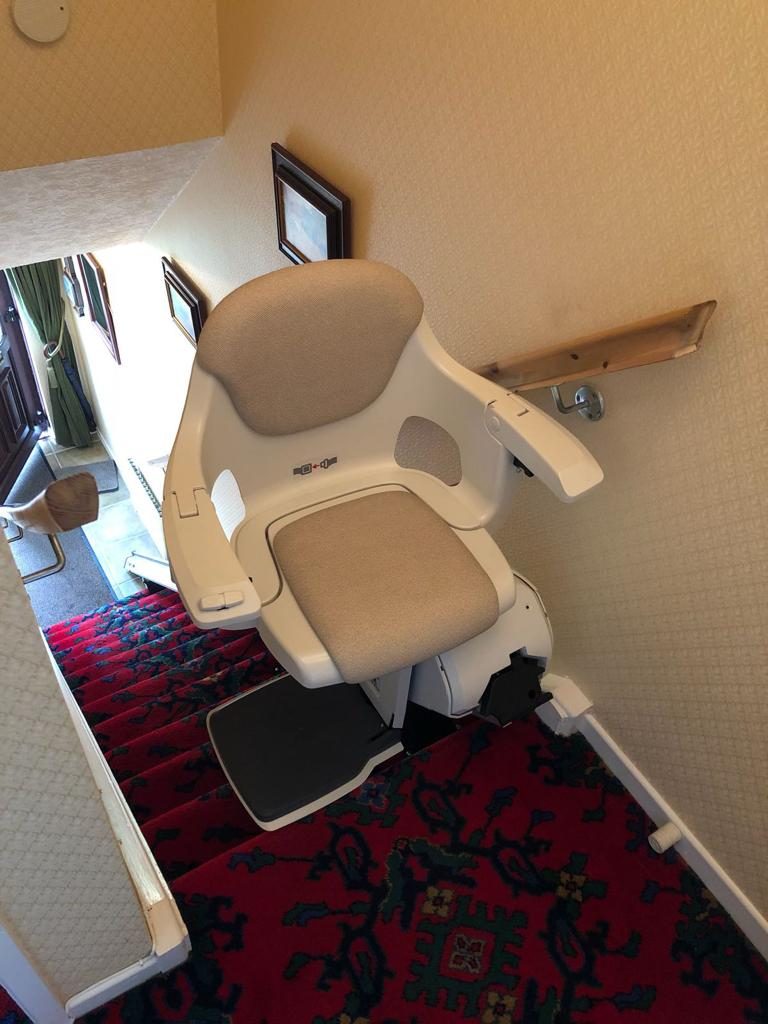
Selecting the appropriate mobility aids is essential for enhancing independence and safety in daily activities. Mobility aids encompass a range of products designed to assist individuals with movement challenges, including stairlifts, wheelchairs, and walking aids. This guide provides detailed steps to help you identify the best options tailored to your specific needs.
Assessing Your Mobility Requirements
Begin by evaluating your current mobility level and identifying any limitations. Consider factors such as balance issues, strength, and endurance. Understanding these elements will guide you in determining which mobility aids are most suitable.
- Identify Limitations: Take note of any difficulties you experience when moving around your home or community.
- Consider Environment: Evaluate where you will be using the mobility aid—indoors or outdoors—and assess the terrain.
- Consult Professionals: Engage with healthcare providers or occupational therapists who can provide insights based on their expertise.
By thoroughly assessing your requirements, you can narrow down options that align with your lifestyle and physical capabilities.
Exploring Available Options
Once you've identified your needs, explore various types of mobility aids available on the market. Each type serves different purposes and offers unique features that cater to specific requirements.
- Stairlifts: Ideal for navigating stairs safely within homes or businesses; they come in straight or curved designs depending on staircase configuration.
- Wheelchairs: Available in manual and powered versions; choose based on frequency of use and personal comfort preferences.
- Walking Aids: Includes walkers, rollators, and canes; select one that provides adequate support while allowing ease of movement.
Research each option's specifications carefully to ensure it meets both functional needs and personal preferences regarding design and usability.
Maintenance Considerations
Regular maintenance is crucial for ensuring that mobility aids remain safe and effective over time. Understanding maintenance requirements helps prolong the lifespan of these devices while ensuring optimal performance.
- Routine Inspections: Check all components regularly for wear or damage; this includes brakes on wheelchairs or battery life in powered devices.
- Professional Servicing: Schedule periodic professional inspections for complex devices like stairlifts to ensure they operate safely.
- User Education: Familiarize yourself with how to operate each device properly; misuse can lead to accidents or equipment failure.
By committing to regular maintenance practices, you enhance safety while maximizing the functionality of your chosen mobility aid solutions.
Checklist for Choosing Mobility Aids
- Assess personal mobility limitations
- Identify usage environments (indoor/outdoor)
- Consult healthcare professionals
- Research different types of mobility aids
- Evaluate product specifications
- Understand maintenance requirements
FAQ
What should I consider when choosing a stairlift?
Focus on staircase layout (straight vs curved), weight capacity needed, control ease, power source options (battery backup), and warranty coverage offered by manufacturers.
Are there financial assistance programs available?
Yes. In Northern Ireland, the Housing Executive's Disabled Facilities Grant can help with the cost of mobility adaptations such as stairlifts, and some charities may also help in particular circumstances.
How often should I service my wheelchair?
Service intervals depend on usage but aim for at least once a year; more frequent checks may be necessary if used daily under strenuous conditions.
This guide equips you with actionable steps toward selecting suitable mobility aids tailored specifically to enhance your independence effectively so you can navigate spaces confidently without compromising safety or comfort.
Quick answers
What are the different types of mobility aids?
Mobility aids for the home include stairlifts, grab rails, banister rails, ramps, through-floor lifts, platform lifts, walking aids, raised toilet seats and bath or shower aids. Many people use a combination of these.
How do mobility aids improve safety?
They reduce the effort and risk involved in everyday movements. A stairlift removes the danger of climbing stairs, while grab rails and ramps give support where falls are most likely, such as steps, bathrooms and doorways.
What factors to consider when choosing mobility aids?
Think about the user's mobility now and in future, the layout of the home, who else lives there, ease of use and comfort. An occupational therapist assessment can help, and for stairs a professional survey makes sure the right lift is chosen.
Guides in this section
Stairlift Pricing Guide for Northern Ireland Homeowners
Stairlift pricing guide offers insights into costs, options, and features for mobility solutions.
Read the guideComparing Stairlift Brands in the UK for Homeowners
Comparing stairlift brands in the uk helps homeowners choose the right mobility solution.
Read the guide