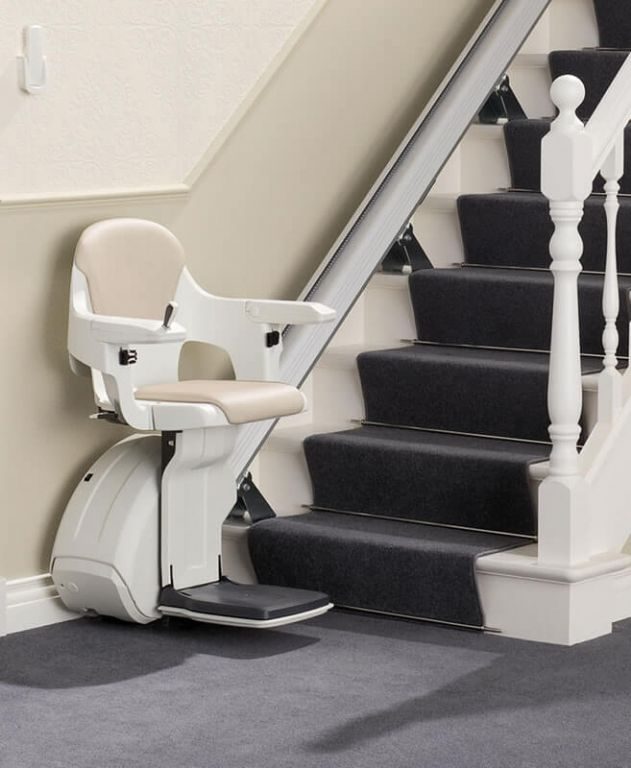
Evaluating the condition of a used stairlift is crucial for ensuring safety and functionality. A thorough assessment helps you make an informed decision, whether you're buying a stairlift for personal use or considering it for someone else. This guide outlines key factors to consider when evaluating a used stairlift's condition.
Physical Inspection of the Stairlift
Start with a comprehensive physical inspection of the stairlift. Check for visible signs of wear and tear, such as rust, scratches, or cracks in the frame. Inspect the seat and armrests for any damage or excessive wear that could affect comfort and safety.
Next, examine the rail system closely. Ensure there are no bends or warps that could impact performance. The track should be clean and free from debris, which can cause operational issues. If possible, ask about the history of maintenance performed on the unit; regular servicing indicates better overall care.
Operational Testing
Once you've completed your visual inspection, conduct an operational test of the stairlift. Test its functionality by running it through its full range of motion—up and down the stairs multiple times if possible. Listen for unusual noises during operation; grinding sounds may indicate mechanical issues requiring attention.
Pay close attention to how smoothly it operates. A well-maintained stairlift should move steadily without jerking or stalling at any point along its path. Additionally, check all controls to ensure they function properly; this includes remote controls as well as any wall-mounted buttons.
Safety Features Assessment
Safety features are paramount when evaluating a used stairlift's condition. Verify that all safety mechanisms are intact and functional; these include seat belts, footrest sensors, and emergency stop buttons. Each feature plays a vital role in preventing accidents during use.
Also assess whether there is adequate padding on seats and armrests to enhance user comfort while maintaining safety standards. If available, review user manuals or documentation detailing how these features operate; this information can provide insight into their reliability over time.
Checklist for Evaluating Used Stairlifts
Physical Inspection:
- Check frame integrity (look for rust/cracks).
- Inspect seat/armrests.
- Examine rail system (ensure no bends/warps).
Operational Testing:
- Conduct full range movement tests.
- Listen for unusual noises.
- Test control functions (remote/wall-mounted).
Safety Features Assessment:
- Verify functionality of safety mechanisms.
- Assess padding quality on seating components.
FAQ
What should I do if I find damage?
If you discover significant damage during your evaluation, consider consulting with a professional technician before proceeding with purchase decisions.
How often should used stairlifts be serviced?
Used stairlifts typically require servicing every six months to ensure optimal performance and safety compliance.
By following this guide to evaluating used stairlift condition thoroughly—focusing on physical inspection, operational testing, and assessing safety features—you can make informed choices that prioritize both functionality and user security so you can confidently select a reliable option tailored to your needs.
Quick answers
How do I check a used stairlift s condition?
Check the age and history, the rail and carriage for wear, the batteries, the upholstery, the safety sensors and the controls. Ask a qualified engineer to inspect it before buying.
What features should I look for in a used stairlift?
Look for a seat belt, working safety sensors, a locking swivel seat, a key switch, battery backup and a seat and controls that suit the user.
How can I ensure a used stairlift is safe?
Buy from a company that refurbishes and tests the lift, have it installed by a qualified engineer and make sure it comes with a warranty and servicing.