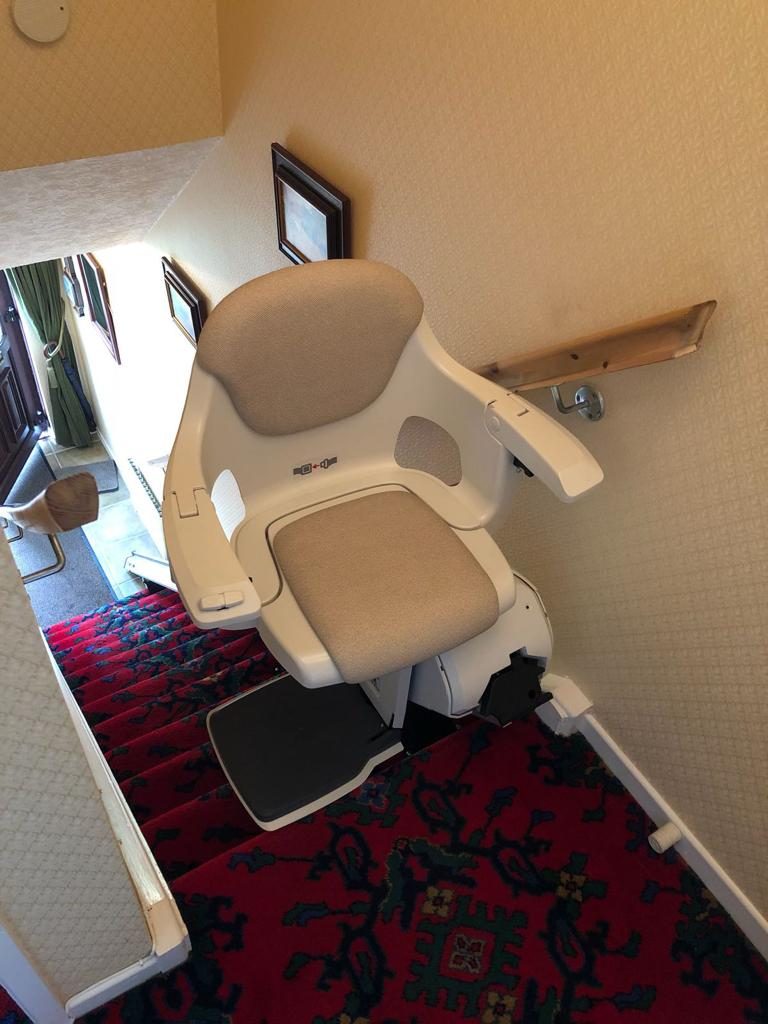
Stairlifts are essential mobility solutions for seniors, providing safe and reliable access to different levels of a home or business. This guide outlines the key considerations and steps involved in selecting, installing, and maintaining stairlifts tailored specifically for seniors.
Understanding Stairlift Options
When considering a stairlift for seniors, it is crucial to understand the various types available. The two primary categories are straight stairlifts and curved stairlifts. Straight stairlifts operate on a single, linear staircase without any turns or bends. They are typically easier to install and more cost-effective than their curved counterparts.
Curved stairlifts, on the other hand, are designed to navigate stairs with multiple angles or landings. These models require custom tracks that fit the specific shape of your staircase. While they tend to be more expensive due to their bespoke nature, they offer greater accessibility in homes where straight options cannot suffice.
Selecting between these options depends largely on your home's layout and budget constraints. Evaluate your needs carefully; this decision will impact both safety and convenience.
Installation Process
The installation process of a stairlift involves several critical steps that ensure optimal performance and safety. First, you must conduct an assessment of the staircase where the lift will be installed. This includes measuring the length of the stairs as well as checking for any obstructions such as railings or furniture that could interfere with installation.
Next, choose a reputable provider who specializes in stairlift installations. They should offer comprehensive services including consultation, measurement verification, product selection guidance, and professional installation by certified technicians.
Once installed, thorough testing should take place to ensure everything operates smoothly before use begins. Regular checks can help identify potential issues early on so you can address them promptly.
Maintenance Considerations
Maintaining your stairlift is vital for ensuring its longevity and reliability over time. Routine maintenance should include keeping the lift charged and cleaning the track of dust or debris, while tightening, lubrication and repairs are left to a qualified engineer.
Most manufacturers recommend annual servicing by trained professionals who can perform detailed inspections beyond basic upkeep tasks. Investing in regular maintenance not only prolongs equipment life but also enhances user safety significantly.
Additionally, familiarize yourself with troubleshooting common issues like error codes displayed on control panels or unusual sounds during operation—this knowledge empowers you to act swiftly when problems arise.
Checklist for Stairlift Selection & Maintenance
- Assess staircase type: straight vs curved.
- Measure dimensions accurately.
- Choose a qualified installer.
- Schedule regular maintenance checks.
- Keep user manuals accessible.
FAQ
What factors influence the cost of a stairlift?
Costs vary based on model type (straight vs curved), additional features (like swivel seats), installation complexity, and brand reputation among providers.
How long does it take to install a stairlift?
Installation typically takes 2–4 hours depending on complexity; however larger projects may require longer timelines especially if electrical work is needed.
Are there financing options available?
Many providers offer financing plans tailored specifically for seniors which can ease upfront costs associated with purchasing new equipment.
By understanding these aspects surrounding "stairlift for senior," you can make informed decisions that enhance mobility while prioritizing safety within your living environment—so you can enjoy independence at home effectively.
Quick answers
What is a stairlift for senior?
A stairlift for older people is a powered seat that travels along a rail fixed to the stairs, giving safe access to every floor without having to climb.
How does a stairlift work?
A motorised carriage moves along a rail fixed to your stairs. You sit, fasten the belt and hold the control lever, and the lift stops automatically at the other end.
What are the benefits of a stairlift?
It reduces the risk of falls, restores access to the whole home, supports independence and gives families peace of mind.
How to choose a stairlift?
Start with your staircase and the user's needs, then compare seat comfort, controls, safety features and local servicing. A home survey will match you with the right lift.
Are stairlifts safe for seniors?
Yes. Stairlifts are designed for older users, with seat belts, sensors, locking swivel seats, battery backup and simple controls.