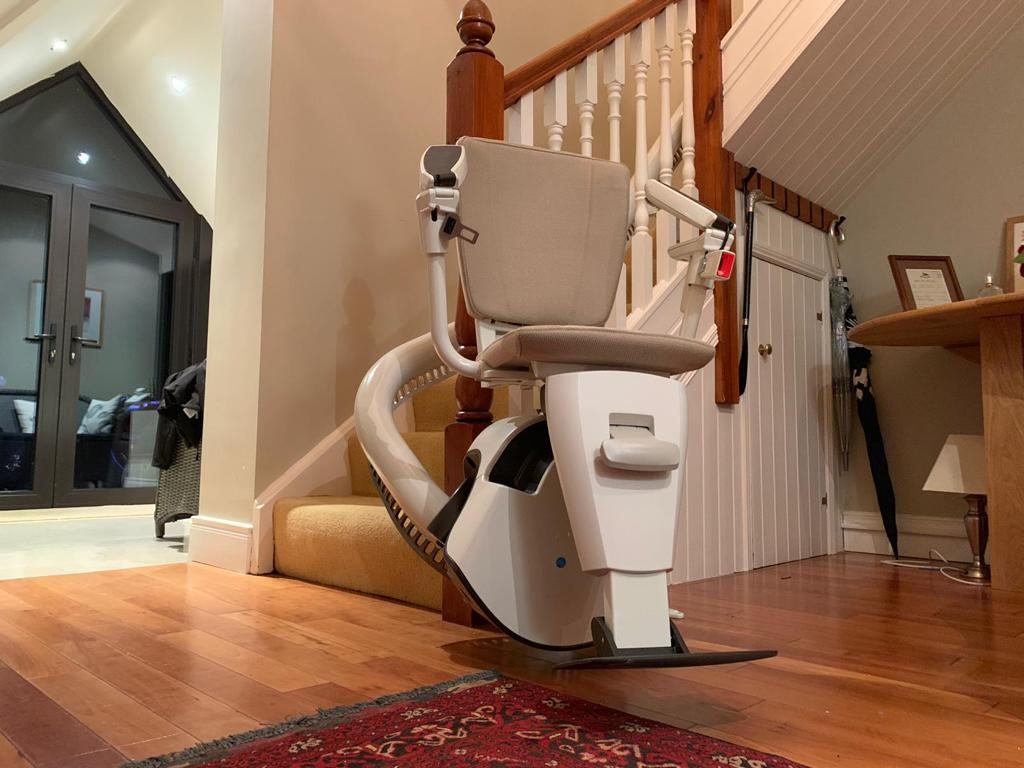
Selecting the right stairlift involves evaluating several critical features. Understanding these features ensures that you choose a solution tailored to your specific needs. This guide will outline essential factors, helping you make an informed decision.
Types of Stairlifts
When considering a stairlift, the type is fundamental. There are two primary categories: straight and curved stairlifts. Straight stairlifts are designed for linear staircases without any turns or landings. They typically require less installation time and are more cost-effective.
Curved stairlifts accommodate stairs with bends or multiple levels. These models often involve custom manufacturing, which can increase both cost and lead time. Assessing your staircase layout will help determine which type best suits your home’s configuration.
Weight Capacity and Size
Another vital feature is the weight capacity of the stairlift. Most standard models support up to 135kg (21 stone); however, heavier-duty options exist for users needing additional support. It’s crucial to verify that the chosen model meets your requirements without compromising safety.
Additionally, consider the size of the lift itself. Ensure it fits comfortably on your staircase without obstructing passage for others in the household. Measure both the width of your stairs and any potential obstructions along their path before making a selection.
Safety Features
Safety should be paramount when selecting a stairlift. Key safety features include seat belts, swivel seats, and sensors that detect obstacles on the track's path. A reliable braking system is also essential to prevent accidents during use.
Look for models equipped with emergency stop buttons and battery backups in case of power outages; these ensure continued operation even under adverse conditions. Prioritizing these safety elements can significantly enhance user confidence while operating the lift.
Checklist for Choosing Your Stairlift
- Identify whether you need a straight or curved model.
- Confirm weight capacity aligns with user needs.
- Measure staircase dimensions accurately.
- Evaluate available safety features like seat belts and obstacle sensors.
- Check warranty details and service options post-installation.
Installation Process
Understanding how installation works is vital before purchasing a stairlift. Professional installation typically takes between one to three hours depending on complexity—straight installations being quicker than curved ones due to fewer adjustments needed.
Ensure that installers are certified professionals familiar with local regulations regarding mobility aids in residential settings. Proper installation not only maximizes performance but also guarantees adherence to safety standards throughout usage.
FAQ
What if my stairs have landings?
For stairs with landings or curves, opt for a curved stairlift specifically designed for such configurations, ensuring smooth transitions between levels.
How long does it take to install?
Installation usually requires one to three hours based on complexity; consult with providers about specifics related to your staircase design.
Are there maintenance requirements?
Regular maintenance checks every six months can prolong lifespan; inquire about service packages offered by manufacturers or installers at purchase time.
Choosing a suitable stairlift involves careful consideration of various aspects including type, weight capacity, safety features, installation processes, and ongoing maintenance needs so you can ensure optimal mobility within your home environment while prioritizing personal security at all times.
Quick answers
What are the key features of a stairlift?
The features that matter most are a comfortable swivel seat, a seat belt, safety sensors on the carriage and footrest, simple controls on the armrest, a folding seat and footrest, battery backup and a remote call control at each end of the stairs.
How do I choose the right stairlift?
Start with your staircase, whether straight, curved or outdoor, then think about the user: their height, grip, balance and whether a perch seat might suit. A home survey brings these together and points you to the right model.
What safety features should I look for in a stairlift?
Look for a retractable seat belt, obstruction sensors that stop the lift on contact, a swivel seat that locks before you get off, a key switch to prevent unauthorised use, a smooth soft start and stop, and battery backup in case of a power cut.
Related guides
User Reviews of Popular Stairlift Models in Northern Ireland
User reviews of popular stairlift models provide insights into features and performance.
Read the guideComparison of Stairlift Warranties Review
Comparison of stairlift warranties helps you understand coverage options and benefits.
Read the guideTroubleshooting Common Stairlift Issues in Belfast
Troubleshooting common stairlift issues can help identify and resolve common problems effectively.
Read the guide