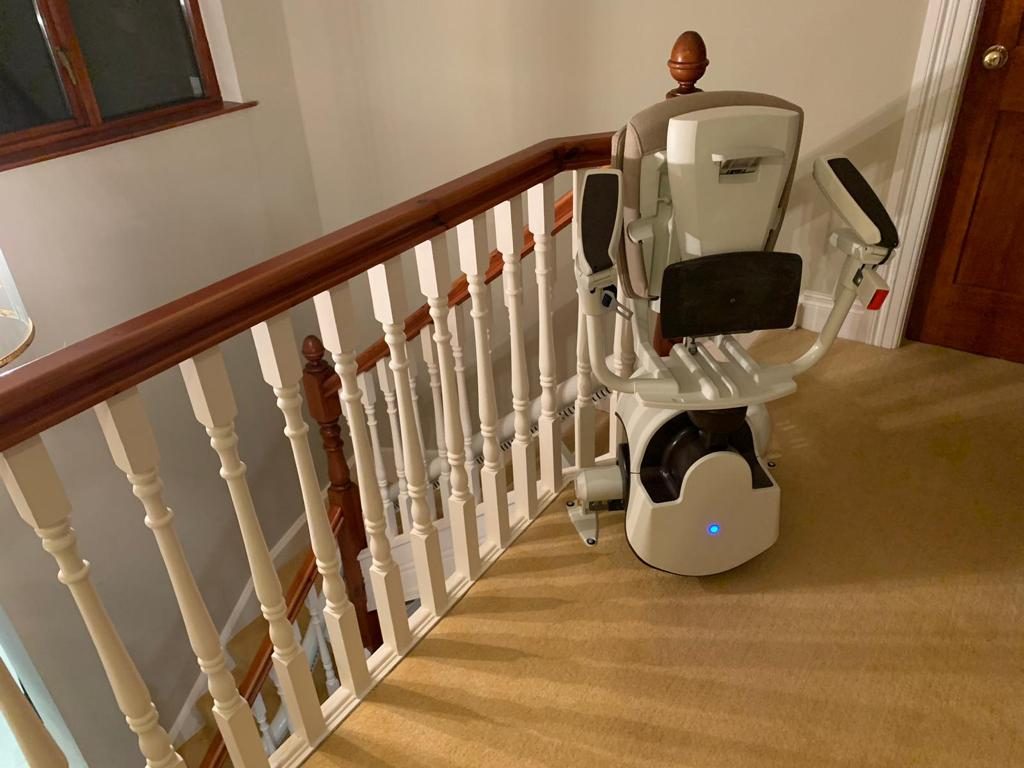
Product reviews provide essential insights into stairlift solutions, helping you make informed decisions. This guide covers various aspects of stairlifts, including types, features, and maintenance considerations. By understanding these elements, you can choose a stairlift that meets your specific needs.
Types of Stairlifts
Stairlifts come in several types to accommodate different environments and user requirements. The two primary categories are straight and curved stairlifts. Straight stairlifts are designed for linear staircase layouts, making them a cost-effective choice for homes with standard stairs. They typically feature simpler installation processes and lower overall costs.
Curved stairlifts cater to more complex staircase designs with bends or landings. These models require custom tracks tailored to the unique shape of your stairs. While they tend to be pricier due to their bespoke nature, they offer enhanced accessibility for those navigating intricate spaces.
When selecting between these options, consider the layout of your home or business environment along with budget constraints. Each type has distinct advantages that align with varying mobility needs.
Key Features to Consider
When evaluating stairlift solutions, focus on critical features such as weight capacity, safety mechanisms, and ease of use. Weight capacity is vital; most models support between 115kg to 180kg (18 to 29 stone). Ensure the chosen model accommodates all potential users comfortably.
Safety mechanisms enhance user confidence during operation. Look for features like seat belts, swivel seats for easy entry/exit at landings, and obstruction sensors that halt movement if an object blocks the path.
Ease of use is another crucial factor—consider controls that are intuitive and accessible for individuals with limited dexterity or strength. Many modern models include remote controls or smartphone apps that allow users to call the lift from different levels effortlessly.
By prioritizing these features during your evaluation process, you can ensure a safer experience tailored to individual needs.
Maintenance Requirements
Regular maintenance is essential for ensuring the longevity and reliability of your stairlift system. Most manufacturers recommend annual inspections by certified technicians who can identify potential issues before they escalate into costly repairs.
Common maintenance tasks include checking battery performance in battery-operated lifts since weak batteries can compromise functionality during power outages. Additionally, inspect tracks regularly for debris accumulation which may hinder smooth operation.
Users should also perform basic upkeep such as cleaning seats and armrests periodically while monitoring wear on mechanical components like gears or belts over time. Keeping records of service history helps maintain warranty coverage while providing insight into any recurring problems that may arise.
Following proper maintenance protocols ensures optimal performance so you can rely on uninterrupted access throughout your home or facility.
Checklist for Choosing a Stairlift
- Assess staircase layout (straight vs curved)
- Evaluate weight capacity requirements
- Review safety features (seat belts & sensors)
- Check ease-of-use options (controls & remotes)
- Plan regular maintenance schedule
FAQ
What is the average cost range for a stairlift?
As a guide, expect a price in the region of £2,000 to £5,000 depending on your installation. Straight stairlifts without extras start at around £2,000 including installation, while curved stairlifts for more complex stairwells need custom-made parts and can cost up to around £5,000 including installation. The exact price will be provided in a written quotation that is based on a survey and conversation about your individual needs.
How long does it take to install a stairlift?
Installation typically takes 3–5 hours depending on model complexity; however larger installations may require additional time.
Are there financing options available?
Many providers offer financing plans or leasing options allowing flexibility based on individual financial situations.
By following this guide regarding product reviews related specifically towards choosing appropriate stairlift solutions—understanding key types available alongside necessary features—you will be well-equipped when making informed decisions about enhancing mobility within both residential settings as well as commercial establishments alike.
Quick answers
What are the best stairlift options?
The best stairlift is the one that suits your staircase and needs. Straight models suit single flights, curved models suit stairs with bends, and outdoor models suit garden and entrance steps.
How do stairlifts compare?
Compare them on comfort, safety features, controls, how much space they take up when folded, reliability, warranty and the quality of local service.
What features should I consider?
Consider the seat comfort and swivel, the controls, a folding footrest, the weight capacity, safety sensors, battery backup and service support in your area.
Guides in this section
Features to Consider When Choosing a Stairlift
Features to consider when choosing a stairlift include safety, comfort, and installation options.
Read the guideUser Reviews of Popular Stairlift Models in Northern Ireland
User reviews of popular stairlift models provide insights into features and performance.
Read the guideComparison of Stairlift Warranties Review
Comparison of stairlift warranties helps you understand coverage options and benefits.
Read the guideTroubleshooting Common Stairlift Issues in Belfast
Troubleshooting common stairlift issues can help identify and resolve common problems effectively.
Read the guide