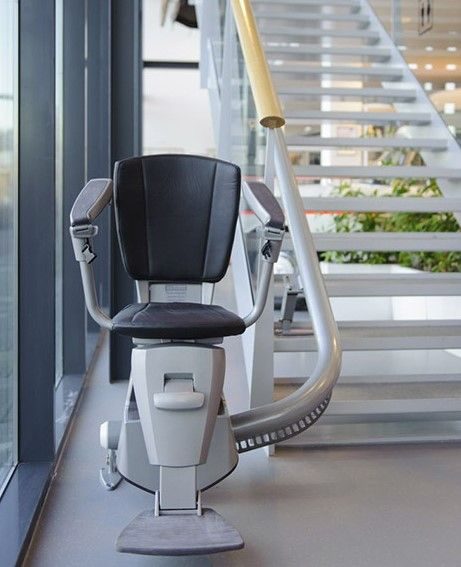
Acorn stairlift power supply voltage is critical for the safe and efficient operation of your stairlift. Knowing the specifics of this voltage helps ensure that your stairlift functions correctly, providing reliable support when you need it most. This guide will clarify the necessary voltage requirements, how to maintain them, and what to do if issues arise.
Importance of Correct Voltage
The correct power supply voltage is essential for optimal performance. Most Acorn stairlifts operate on a low-voltage system, typically around 24 volts DC (direct current). This specification ensures that the stairlift operates safely without overheating or damaging internal components. A consistent power supply within this range allows for smooth operation and prevents unexpected shutdowns.
Using a compatible transformer is crucial in achieving the right voltage. The transformer converts standard household AC (alternating current) electricity into the required low-voltage DC needed by your stairlift. If there are fluctuations in this input voltage, it can lead to erratic behavior or even failure of the lift system. Therefore, ensuring that your transformer is functioning properly is vital.
Checking Your Power Supply
Regular checks on your power supply can prevent potential issues with your Acorn stairlift. Begin by checking that the plug and cable between the socket and the charger show no signs of wear or damage. Make sure the charger plug is fully inserted; if you see loose or damaged wires, call an engineer.
Voltage checks should be carried out by a qualified engineer, who will replace the charger or transformer if needed.
Troubleshooting Common Issues
If you experience problems with your Acorn stairlift related to power supply voltage, follow these steps:
- Inspect Connections: Check that the plug is pushed fully into the socket and the socket is switched on; do not handle damaged cables, and call an engineer if you see any.
- Test Transformer Output: Voltage testing should only be carried out by a qualified engineer.
- Look for Error Codes: Many modern stairlifts display error codes indicating specific issues; refer to your user manual for guidance.
- Consult Professionals: If troubleshooting does not resolve issues, contact an authorized service technician familiar with Acorn products.
By systematically addressing these areas, you can effectively manage any electrical concerns impacting your stairlift’s performance.
Checklist for Maintaining Power Supply Voltage
- Have wiring inspected at every professional service.
- Have the charger output tested at each service.
- Keep area around electrical components clean and dry.
- Report damaged parts to an engineer immediately.
- Schedule annual maintenance checks with professionals.
Frequently Asked Questions
What happens if my stairs lift receives incorrect voltage?
Incorrect voltage can cause malfunctioning or permanent damage to internal components of your Acorn stairlift.
How often should I check my transformer's output?
It’s advisable to check every month as part of routine maintenance; however, increase frequency if you notice operational inconsistencies.
Can I replace my own transformer?
Electrical repairs should always be carried out by a qualified technician to ensure safety and compliance with regulations.
Maintaining proper acorn stairlift power supply voltage promotes longevity and reliability in its performance so you can navigate your home safely without interruption or concern over equipment failure.
Quick answers
What is the ideal voltage for an acorn stairlift?
Like most modern stairlifts, Acorn stairlifts plug into a standard household socket through a charger. The charger supplies low voltage to the rail and batteries, so you do not need any special supply.
How to check acorn stairlift power supply?
Check that the plug socket is switched on and the lift is parked at a charging point. If the lift still is not charging, contact a qualified engineer rather than testing the electrics yourself.
What happens if the voltage is incorrect?
An incorrect supply can stop the batteries charging or damage the charger. If you suspect a power problem, stop using the lift and call a qualified engineer.