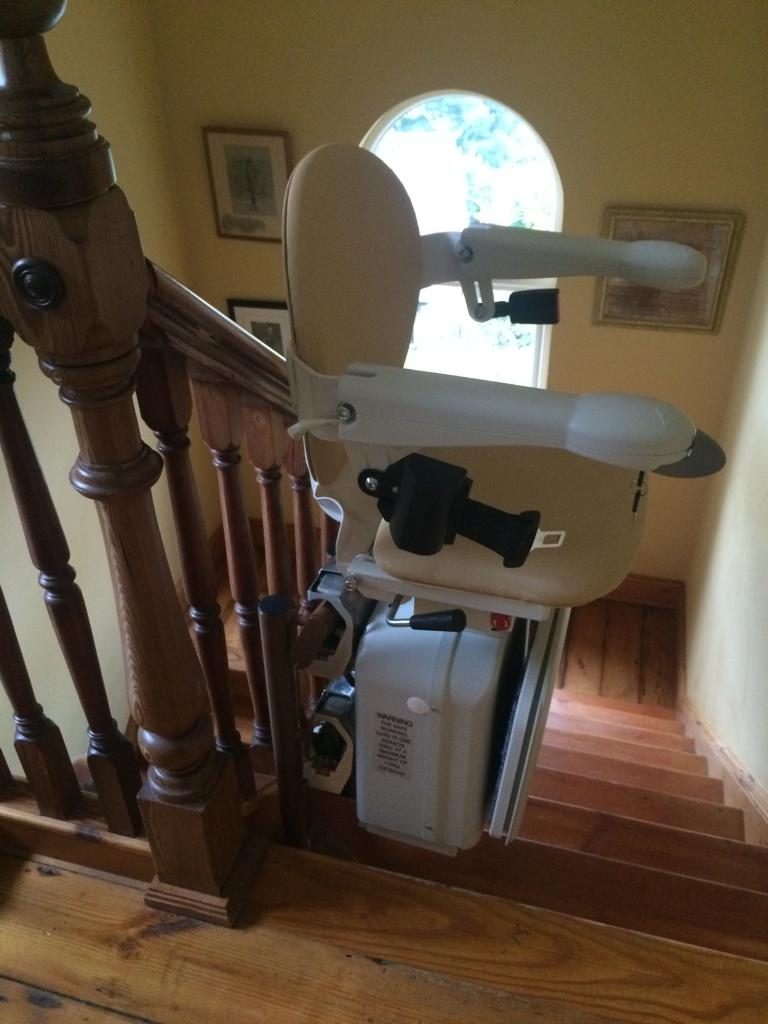
Selecting the appropriate power system for your stairlift is crucial for ensuring reliability and efficiency. A stairlift's power system determines its operational capacity, safety features, and overall user experience. Understanding the types of power systems available will help you make an informed decision tailored to your needs.
Types of Stairlift Power Systems
Stairlifts typically operate using either battery or AC power systems. Each has distinct advantages that cater to different environments and user preferences.
Battery-powered stairlifts are designed for versatility and convenience. They function independently of household electrical systems, allowing them to operate during power outages. This feature enhances safety, especially in homes where electricity supply may be inconsistent. Additionally, battery systems often come with a charging mechanism that ensures they remain powered when not in use.
On the other hand, AC-powered stairlifts draw energy directly from your home’s electrical supply. These models generally offer continuous operation without the need for recharging batteries. They are ideal for users who require frequent use throughout the day since they provide consistent performance without downtime related to charging cycles.
Factors Influencing Your Choice
When selecting a stairlift power system, consider several factors that impact usability and installation requirements.
First, evaluate how frequently you plan to use the stairlift. If daily usage is anticipated, an AC-powered model might be more suitable due to its uninterrupted service capability. Conversely, if occasional use is expected or if you live in an area prone to blackouts, a battery-operated unit could provide peace of mind with its backup functionality.
Next, assess the layout of your staircase and surrounding environment. Battery-powered units can be advantageous in multi-level homes where access points vary significantly from floor to floor. Their flexibility allows installation without extensive wiring modifications compared to AC units which may require professional electrical work during setup.
Lastly, budget considerations play a significant role in determining which type of system aligns with your financial parameters while meeting functional requirements.
Maintenance Considerations
Regular maintenance is vital for both types of power systems but varies based on their specific components.
For battery-operated stairlifts, routine checks should include monitoring battery health and ensuring proper charging cycles are maintained. Over time, batteries lose capacity; therefore replacing them every few years can prevent unexpected failures.
In contrast, AC-powered models necessitate inspections focused on electrical connections and motor integrity as part of standard upkeep protocols. Ensuring these components remain free from dust buildup can enhance longevity and performance efficiency over time.
Checklist for Choosing Your Stairlift Power System
- Assess frequency of use (daily vs occasional).
- Evaluate staircase layout (straight vs curved).
- Determine budget constraints.
- Check local electricity reliability.
- Plan maintenance capabilities (battery vs electric).
FAQ
What happens if there’s a power outage?
Battery-operated stairlifts continue functioning even during outages due to their built-in backup systems.
How long do batteries last?
Typically 3–5 years depending on usage patterns; regular maintenance helps prolong lifespan.
Can I switch between battery and AC?
Most models are designed specifically for one type; consult manufacturer guidelines before considering any modifications.
Quick answers
What are the types of power systems?
Most modern stairlifts run on rechargeable batteries that charge from the mains when the lift parks. Some older models run directly from the mains.
How do power systems affect stairlifts?
Battery-powered stairlifts run smoothly, keep working during a power cut and use low-voltage power on the rail, which adds safety. The batteries need replacing every few years.
What features should I consider in power systems?
Look for battery backup, charging points at both ends of the rail, a low battery warning and a reliable charger. Battery checks should be part of every service.