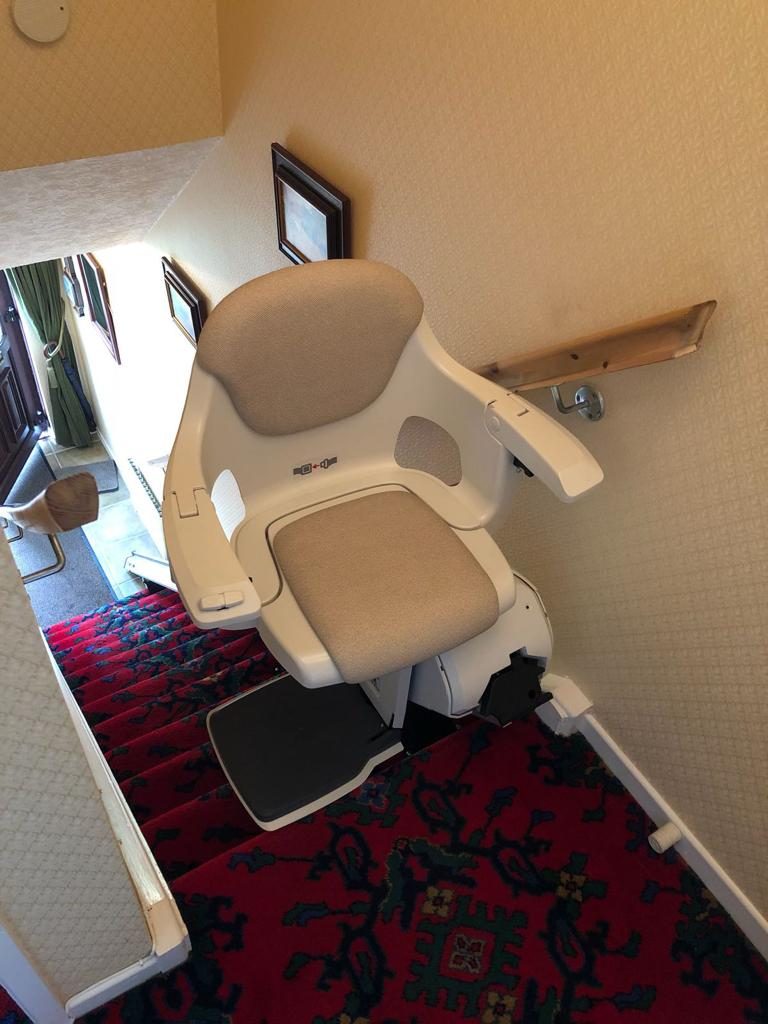
Stairlift safety inspection requirements are essential for ensuring the safe operation of stairlifts in residential and commercial settings. Regular inspections help identify potential issues before they become serious problems, thereby protecting users from accidents and maintaining the functionality of the equipment.
Understanding these requirements involves knowing what aspects need to be inspected, how often these inspections should occur, and who is qualified to perform them. This guide outlines the critical components of stairlift safety inspections, providing you with a clear framework for compliance and best practices.
Key Components of Stairlift Inspections
A comprehensive stairlift inspection encompasses several key components that ensure both safety and reliability. First, inspectors evaluate the mechanical parts of the stairlift, including gears, motors, and tracks. Any signs of wear or damage must be addressed immediately to prevent malfunctions during use.
Next, electrical systems are scrutinized for proper functioning. Inspectors check wiring connections for integrity and ensure that emergency stop buttons operate correctly. Additionally, battery performance is assessed to confirm that power supply remains reliable under various conditions. These checks are crucial because failure in any component can lead to significant risks.
Regular maintenance also includes testing safety features such as seat belts or harnesses if applicable. Ensuring these components work effectively adds an extra layer of protection for users navigating stairs with mobility challenges.
Frequency of Inspections
The frequency at which stairlifts require inspections varies based on usage patterns and manufacturer recommendations. Generally, it is advisable to conduct thorough inspections at least once a year; however, more frequent checks may be necessary in high-traffic environments or when heavy use occurs.
For residential settings where a stairlift may not see daily use, biannual inspections might suffice if no issues have been reported. Conversely, businesses with multiple users should consider quarterly assessments to maintain optimal safety standards consistently.
Documenting each inspection provides valuable records that can help track performance over time and highlight recurring issues that may need addressing through repairs or upgrades.
Qualified Personnel for Inspections
Only trained professionals should conduct stairlift safety inspections due to the technical nature of the equipment involved. These individuals typically possess certifications from recognized organizations specializing in mobility solutions or elevator mechanics.
When selecting an inspector or service provider, verify their qualifications by checking references or reviewing customer testimonials about their previous work experiences with similar equipment types. A knowledgeable technician will not only perform necessary checks but also offer insights into potential improvements or upgrades tailored specifically for your setup.
It’s essential to prioritize hiring qualified personnel since improper handling during inspection could exacerbate existing issues rather than resolve them effectively—leading potentially dangerous situations down the line.
Checklist for Stairlift Safety Inspection
- Mechanical Evaluation: Check gears, motors, tracks.
- Electrical Systems: Inspect wiring connections; test emergency stops.
- Battery Performance: Assess reliability under load.
- Safety Features: Verify functionality of seat belts/harnesses.
- Documentation: Maintain records of all findings and actions taken.
FAQ
What happens if my stairlift fails an inspection?
If your stairlift fails an inspection due to identified defects or non-compliance with safety standards, immediate action is required—this may involve repairs by a qualified technician before further use is permitted until resolved satisfactorily.
How can I prepare my home for a stairlift inspection?
To prepare your home prior to an upcoming inspection:
- Clear pathways around the lift area.
- Ensure easy access points are unobstructed.
- Provide any relevant documentation regarding past maintenance history.
By adhering closely to established stairlift safety inspection requirements outlined above—including regular evaluations performed by certified professionals—you enhance user security while prolonging equipment lifespan so you can enjoy peace-of-mind regarding mobility assistance within your environment without unnecessary risk factors present!
Quick answers
What are stairlift safety inspection requirements?
There is no legal inspection regime for stairlifts in private homes, but they should be serviced and safety-checked by a qualified engineer at least once a year. Stairlifts in workplaces or public buildings usually need regular thorough examinations under workplace lifting regulations.
How often should stairlifts be inspected?
For a stairlift at home, at least once a year. Stairlifts in workplaces and public buildings are normally thoroughly examined at set intervals, often every six months for lifts carrying people.
What is involved in a stairlift inspection?
The engineer checks the rail, drive, batteries, safety sensors, seat belt, swivel lock, controls and electrical connections, then tests the lift through its full journey.