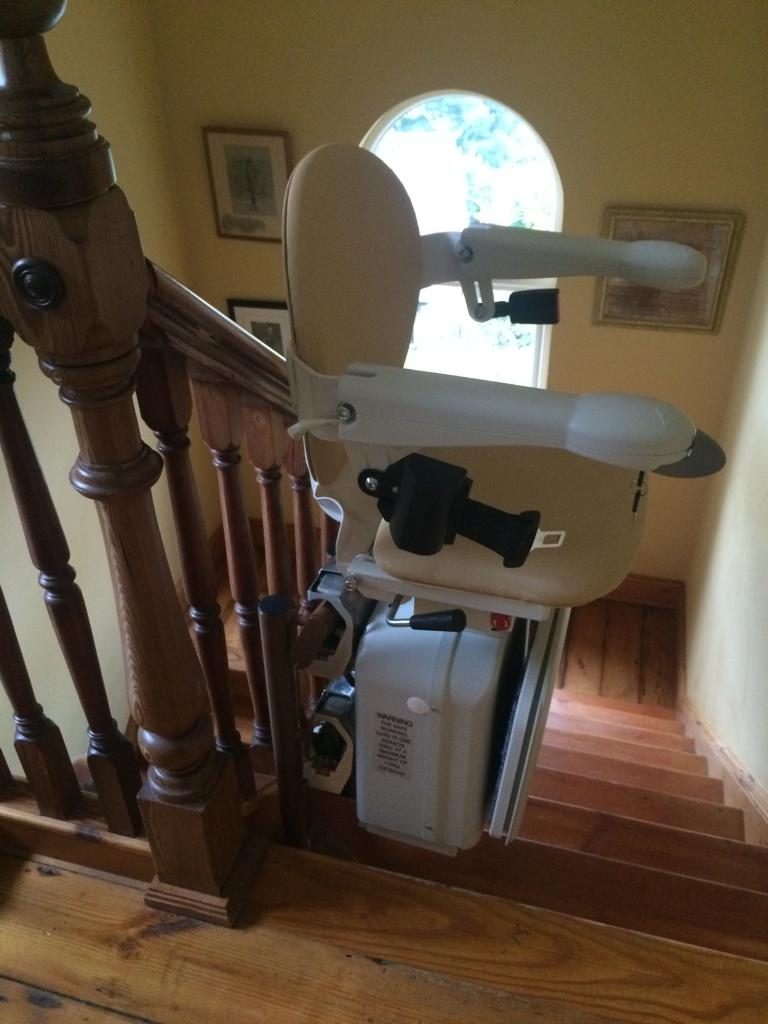
Evaluating a used stairlift's safety standards is crucial for ensuring the well-being of users. A thorough assessment can prevent accidents and ensure that the device meets necessary regulations. This guide outlines key steps to take when evaluating a used stairlift, focusing on essential criteria such as compliance with safety standards, condition of components, and operational reliability.
Understanding Safety Standards
Safety standards for stairlifts are established by various regulatory bodies to protect users. In the UK, these guidelines often align with European Norms (EN) and British Standards (BS). When assessing a used stairlift, verify that it complies with these regulations. Look for labels or documentation indicating conformance to EN 81-40 or BS 5900.
Additionally, check if the manufacturer provides any certifications regarding safety testing. These documents should detail how the stairlift was tested for stability, load capacity, and emergency features like braking systems. Ensuring compliance not only guarantees user safety but also affects insurance coverage in case of incidents.
Inspecting Mechanical Components
The mechanical components of a stairlift play a vital role in its overall safety. Begin by examining the rail system for signs of wear or damage. Any bending or rust could indicate structural weaknesses that may compromise functionality during use.
Next, assess the seat and harness system. The seat should be secure without excessive movement when in use; inspect belts or restraints for fraying or deterioration. Check battery performance as well since many models rely on rechargeable batteries that can degrade over time. A good practice is to test drive the stairlift under controlled conditions to observe its operation firsthand.
Testing Operational Features
Operational features are critical indicators of a used stairlift’s reliability and user-friendliness. Test all controls—both remote and onboard—to ensure they function smoothly without sticking or lagging response times. Pay attention to features such as swivel seats and footrests; they should operate effortlessly.
Emergency stop buttons must be functional as well; this feature is essential during unexpected situations where immediate cessation of movement is required. If possible, inquire about previous maintenance records from the seller; regular servicing indicates responsible ownership which contributes positively toward operational integrity.
Checklist for Evaluating Used Stairlifts
- Safety Compliance: Verify adherence to relevant regulations.
- Mechanical Condition: Inspect rails, seat security, harness integrity.
- Battery Health: Assess battery performance through tests.
- Control Functionality: Ensure all controls respond accurately.
- Emergency Features: Confirm operational status of emergency stops.
Frequently Asked Questions
What specific regulations should I look for?
Look specifically for compliance with EN 81-40 concerning lifts intended primarily for people with disabilities and BS 5900 which governs design specifications related to domestic lifts.
How can I determine if my chosen model has been recalled?
Check online databases maintained by manufacturers or regulatory agencies that list recalls based on model numbers along with associated issues reported by users.
Is it safe to purchase an older model?
While older models may still meet safety standards if properly maintained, always conduct thorough inspections before purchasing any used equipment.
If you would like advice for your own home, book a free survey and a local adviser will talk you through the options.
Quick answers
What are the key safety features of a stairlift?
A used stairlift should still have a working seat belt, obstruction sensors, a locking swivel seat, a key switch and battery backup. If any of these are missing or faulty, do not use it.
How do I inspect a used stairlift?
Ask a qualified stairlift engineer to inspect the rail, drive, batteries and every safety feature before you buy. A reputable supplier will do this as part of reconditioning.
What standards should a used stairlift meet?
A used stairlift should meet the safety standards it was built to, have all safety features working and be installed by a qualified engineer.
Related guides
Stairlift Evaluation Checklist for Safe Selection
Stairlift evaluation checklist helps assess features and safety for your needs.
Read the guideUsed Stairlift Condition Assessment Guide for Buyers
Used stairlift condition assessment guide offers essential tips for evaluating quality and safety.
Read the guideComparing Used Stairlift Features in Belfast
Comparing used stairlift features helps you evaluate options for mobility solutions.
Read the guideEssential Questions for Buying a Used Stairlift
Essential questions for buying a used stairlift include safety, warranty, and installation considerations.
Read the guideFactors Affecting the Value of a Used Stairlift in Northern Ireland
Factors affecting the value of a used stairlift include condition, age, and features.
Read the guide