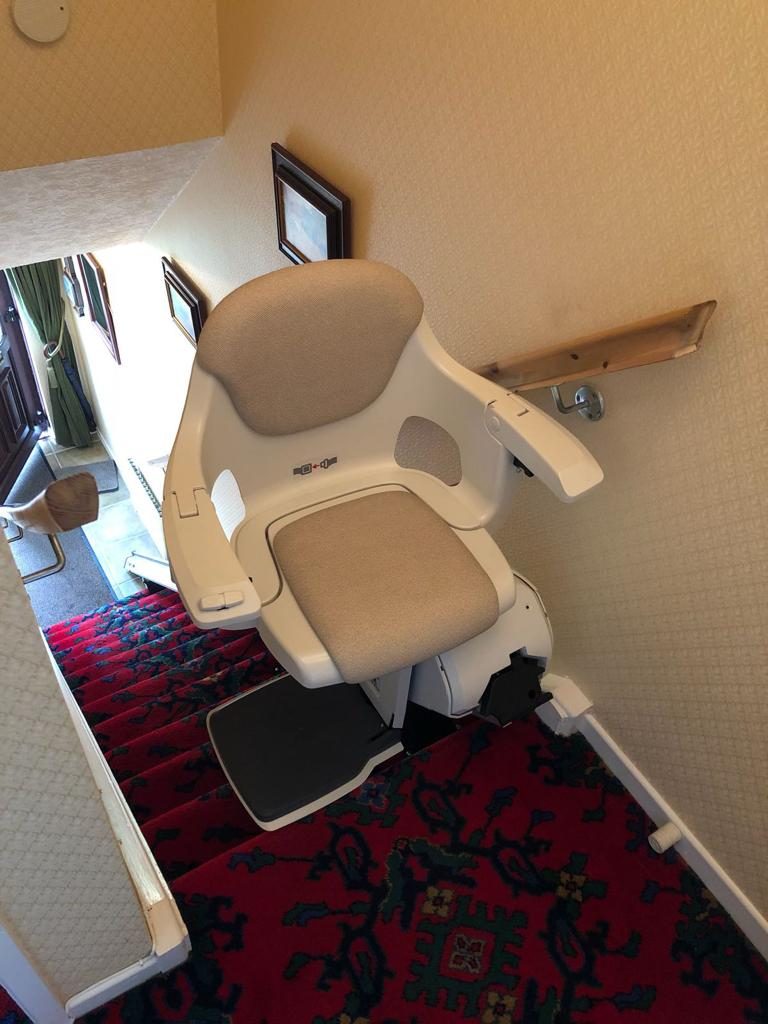
Assessing the condition of a used stairlift is crucial for ensuring safety and functionality. This guide provides a structured approach to evaluate various aspects of a used stairlift, helping you make informed decisions about your purchase.
Understanding Stairlift Types
Stairlifts come in different types, including straight, curved, and outdoor models. Each type has unique features that affect its performance and suitability for specific environments. Straight stairlifts are designed for linear staircases, while curved models can navigate bends and landings. Outdoor stairlifts are built to withstand weather conditions but may require additional maintenance due to exposure.
When assessing a used stairlift, consider the type that matches your needs. For instance, if you have a straight staircase, ensure the model is compatible with your layout. Look for signs of wear or damage on components like tracks and chairs. A thorough understanding of these types will help you identify potential issues early in the evaluation process.
Key Components to Inspect
Inspecting key components is essential when evaluating the condition of a used stairlift. Focus on critical areas such as the rail system, motor function, battery life, and seat integrity.
- Rail System: Check for any bends or rust on the rail where the lift operates. Ensure it runs smoothly without obstruction.
- Motor Function: Test the motor by operating the lift multiple times up and down the stairs. Listen for unusual noises which could indicate mechanical issues.
- Battery Life: Assess battery health by checking how long it holds charge during operation; batteries typically last 3-5 years.
- Seat Integrity: Examine upholstery for tears or stains; ensure seatbelts function properly.
By systematically inspecting these components, you can gauge whether repairs are necessary before making a purchase decision.
Evaluating Safety Features
Safety features are paramount in any stairlift assessment to prevent accidents during use. Look specifically at elements such as emergency stop buttons, safety sensors, and seatbelt systems.
Emergency stop buttons should be easily accessible from both seated positions and standing locations near the lift's path; test their functionality thoroughly during your inspection process.
Safety sensors detect obstacles that may impede movement along stairs; verify they activate correctly by placing objects in their path while testing operation modes.
Lastly, inspect seatbelts for wear or malfunction—these should securely hold users in place throughout travel without fraying or breaking under stress conditions.
Above all, confirm that every safety feature works properly before the stairlift is used.
Checklist
- Inspect rail system (bends/rust)
- Test motor function (listen for noise)
- Check battery life (hold charge duration)
- Evaluate seat integrity (upholstery/seatbelt)
FAQ
What should I do if I find issues during my assessment?
If you discover worn parts or safety features that do not work properly, stop using the lift and ask a stairlift engineer to inspect it.
How often should I assess my own existing stairlift?
A professional assessment at least once a year helps keep the lift performing well and catches problems early.
Quick answers
How do I assess a used stairlift?
Have a qualified engineer inspect it. They will check the rail, drive, batteries, safety features, controls and upholstery, and confirm whether parts are still available.
What are key signs of wear in stairlifts?
Signs of wear include noisy or jerky movement, worn or scratched rails, tired batteries, worn upholstery and safety features that respond slowly.
How can I ensure a used stairlift is safe?
Buy from a reputable company that refurbishes, tests, installs and guarantees the lift, and have it serviced regularly.
What features should I check on a used stairlift?
On a used stairlift, check the seat belt, obstruction sensors, swivel lock, controls and key switch, the age and condition of the batteries and any wear or damage on the rail.
Related guides
Stairlift Evaluation Checklist for Safe Selection
Stairlift evaluation checklist helps assess features and safety for your needs.
Read the guideComparing Used Stairlift Features in Belfast
Comparing used stairlift features helps you evaluate options for mobility solutions.
Read the guideHow to Evaluate a Used Stairlift S Safety Standards
How to evaluate a used stairlift s safety standards by checking key safety features and compliance.
Read the guideEssential Questions for Buying a Used Stairlift
Essential questions for buying a used stairlift include safety, warranty, and installation considerations.
Read the guideFactors Affecting the Value of a Used Stairlift in Northern Ireland
Factors affecting the value of a used stairlift include condition, age, and features.
Read the guide