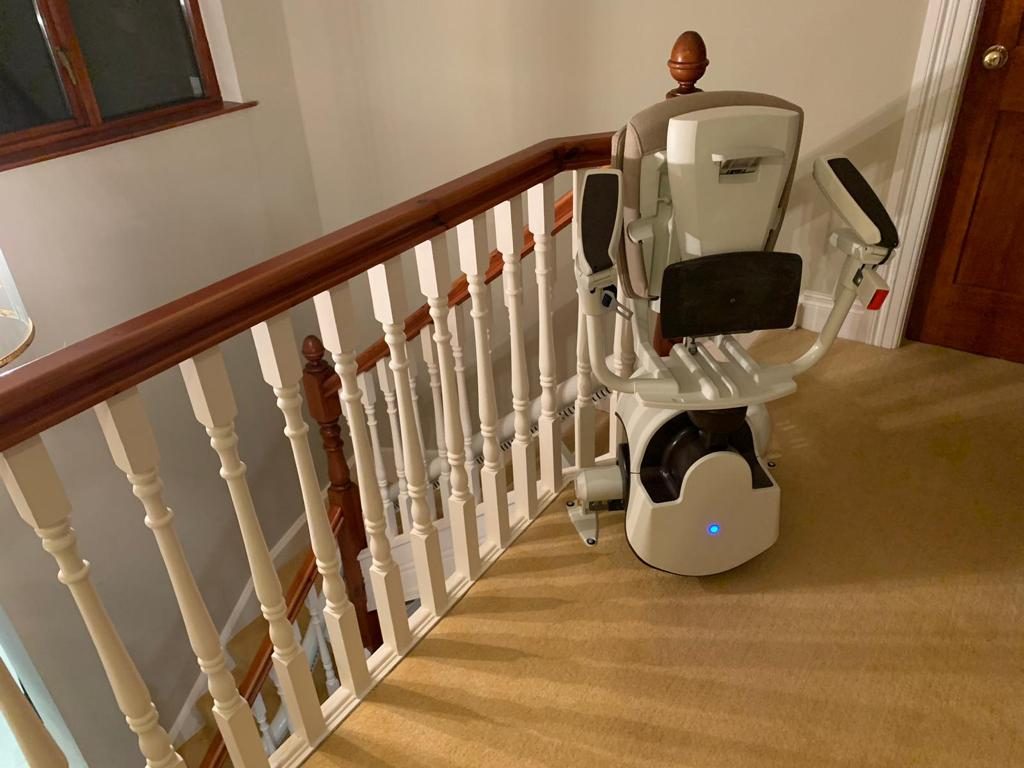
Stairlift installations can significantly improve mobility and accessibility in homes and businesses. However, common mistakes during the installation process can lead to safety hazards, operational issues, and increased costs. Understanding these pitfalls is essential for ensuring a successful installation.
One prevalent mistake is improper measurement of staircases. Accurate measurements are critical for selecting the right stairlift model, especially when dealing with curved or uniquely shaped stairs. If measurements are off by even a small margin, it may result in an ill-fitting lift that could compromise safety and functionality. Always double-check dimensions before proceeding with any installation.
Another frequent error involves overlooking electrical requirements. Stairlifts typically need a dedicated power source to operate safely and efficiently. Failing to assess the electrical system beforehand can lead to inadequate power supply or potential electrical hazards during operation. Make sure there is a standard plug socket near the top or bottom of the stairs; if you need a new one, use a qualified electrician.
Installation Location Oversights
Choosing the wrong location for stairlift tracks is another common mistake that can affect performance and user experience. The track should be positioned to allow smooth transitions at both landings without obstructing doorways or walkways. Inadequate clearance around turns may also hinder movement or create pinch points that pose risks to users.
Additionally, neglecting to consider user needs during installation can lead to complications later on. For instance, if multiple users require different seating heights or control options, installing a one-size-fits-all solution might not suffice. Engage with all potential users upfront to understand their specific needs before finalizing installation plans.
Insufficient Testing After Installation
Once installed, many overlook thorough testing of the stairlift's functionality before use. It’s crucial to verify that all components work as intended—this includes checking controls, emergency stop functions, and battery backup systems if applicable. Skipping this step may leave users unaware of potential malfunctions until they need the lift most urgently.
Moreover, failing to provide adequate training on how to use the stairlift properly can lead to accidents or misuse over time. Users should be familiar with operating procedures as well as emergency protocols in case of malfunction or power failure.
Checklist for Successful Stairlift Installation
- Accurate Measurements: Measure staircase dimensions carefully.
- Electrical Assessment: Confirm adequate electrical supply.
- Track Positioning: Choose an optimal location free from obstructions.
- User Needs Consultation: Discuss preferences with all potential users.
- Functionality Testing: Test all features thoroughly post-installation.
- User Training: Provide comprehensive guidance on usage and safety protocols.
FAQ
What are some signs I need professional help for my stairlift?
If you notice unusual noises during operation, inconsistent speed changes while moving up or down stairs, or if the lift fails to respond correctly when using controls—these could indicate underlying issues requiring professional assessment.
How often should I maintain my stairlift?
Regular maintenance checks every six months are recommended for optimal performance and longevity of your stairlift system; however, consult your manufacturer's guidelines for specific recommendations related directly to your model.
By understanding these common mistakes in stairlift installations and taking proactive measures against them, you enhance both safety and usability within your space so you can enjoy peace of mind knowing your mobility solutions function effectively when needed most.
Quick answers
What are the most common mistakes in stairlift installations?
The most common mistakes are skipping a proper survey, not checking doorways and space at the top and bottom, choosing the wrong model for the user and using an unqualified installer.
How can I avoid mistakes during stairlift installation?
Get a survey, ask questions about your space and the user's needs, read the written quotation carefully and use an experienced, qualified installer.
What should I check before installing a stairlift?
Check the staircase width, any doorways near the bottom, where the lift will park, the position of the nearest plug socket and whether the user can transfer on and off the seat safely.
Related guides
Troubleshooting Stairlift Installation Issues in Northern Ireland
Troubleshooting stairlift installation issues can help resolve common installation problems.
Read the guideStairlift Installation Process Guide in Belfast
Stairlift installation process guide outlines steps, tools, and tips for effective installation.
Read the guideStairlift Installation Safety Tips for Homeowners
Stairlift installation safety tips ensure secure and effective setup for mobility solutions.
Read the guideStairlift Installation Service Comparison in Northern Ireland
Stairlift installation service comparison helps you evaluate options for mobility solutions.
Read the guideBest Practices for Stairlift Installation in Belfast
Best practices for stairlift installation include essential tips and guidelines for safe and effective setup.
Read the guideRequirements for Stairlift Installations in Northern Ireland
Requirements for stairlift installations include safety standards, space considerations, and installation guidelines.
Read the guide