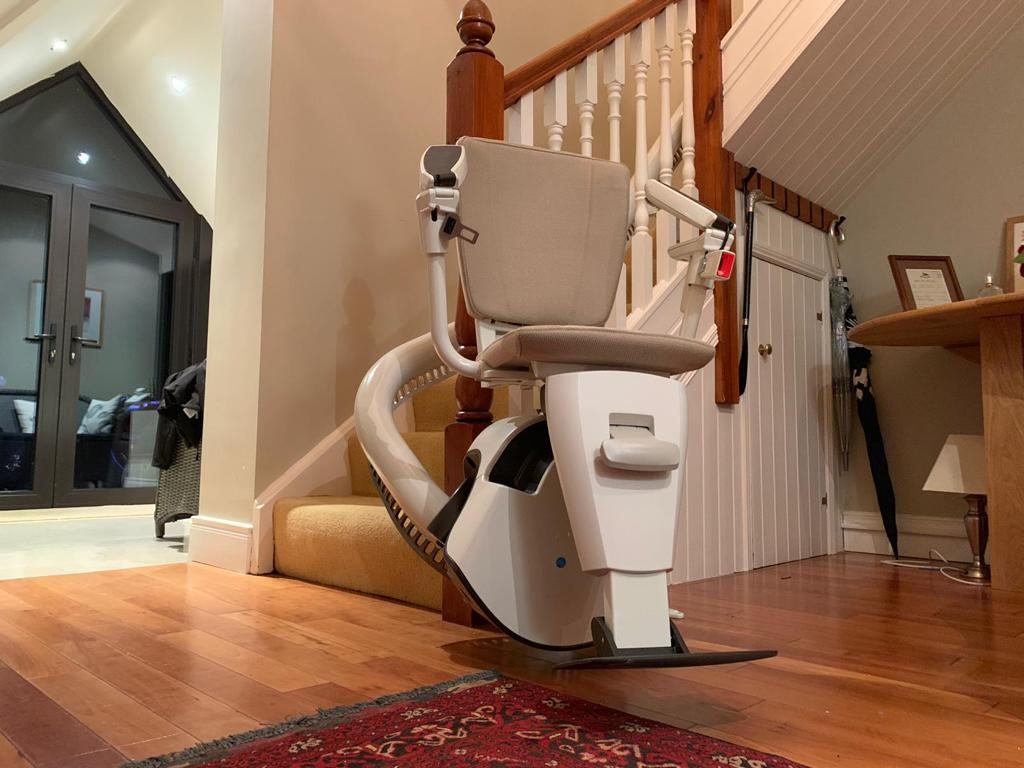
Installing a stairlift involves several critical requirements that ensure safety, functionality, and compliance with regulations. Understanding these prerequisites is essential for homeowners and businesses considering this mobility solution. This guide outlines the necessary steps to prepare for a successful stairlift installation.
Assessing Your Space
Before installation can begin, it is vital to evaluate the space where the stairlift will be placed. Measure the staircase's dimensions accurately, including width, height, and any landings or turns. Each of these factors influences the type of stairlift suitable for your needs.
Consider any obstructions along the staircase that may affect installation. Items such as handrails or decorative elements must be accounted for during planning. A clear understanding of your space allows you to select an appropriate model—whether a straight or curved stairlift—that fits seamlessly into your home or business environment.
Additionally, assess the weight capacity required based on who will use the lift. Most standard models accommodate up to 135kg (21 stone); however, specific designs cater to higher capacities if needed.
Compliance with Regulations
Compliance with local building codes and safety regulations is non-negotiable when installing a stairlift. These codes vary by region but generally include guidelines related to electrical work, structural integrity, and accessibility standards.
Contact your local authority before proceeding with installation plans to determine specific requirements in your area. This step may involve obtaining permits or inspections prior to installation.
It’s also crucial to ensure that all equipment meets national safety standards. Look for stairlifts built to the relevant British and European standards, such as BS EN 81-40, and carrying UKCA or CE marking. Adhering strictly to these guidelines protects users and ensures long-term reliability of the stairlift system.
Professional Installation Services
Engaging professional services for installation is highly recommended due to its technical nature. Trained technicians possess expertise in handling various types of installations while ensuring adherence to safety protocols.
When selecting an installer, verify their credentials and experience specifically related to stairlifts. Ask about warranties on both labor and equipment as part of your decision-making process.
During installation day, expect technicians to conduct thorough assessments before beginning work. They should explain each step involved in setting up your new lift so you understand how it operates safely once installed.
Checklist Before Installation
- Measure staircase dimensions.
- Identify potential obstructions.
- Determine weight capacity needs.
- Check local building codes.
- Obtain necessary permits.
- Choose qualified installers with relevant experience.
FAQ
What types of stairs can accommodate a stairlift?
Stairlifts are designed for both straight and curved stairs as well as outdoor applications depending on model specifications.
How long does an installation typically take?
Most installations range from two hours up to half a day based on complexity; more intricate setups may require additional time.
Are there maintenance requirements post-installation?
Regular maintenance checks are advisable every six months; this includes inspecting mechanical components and battery functionality for optimal performance.
This guide provides essential insights into preparing for a successful stairlift installation so you can enhance mobility within your living or working environment effectively while ensuring compliance with all necessary regulations and standards.
Quick answers
What are the safety requirements for stairlifts?
Stairlifts in Northern Ireland should be installed to the relevant British and European safety standards, with features such as seat belts, safety sensors, a locking swivel seat and safe electrical connections.
How much space is needed for a stairlift?
Most stairlifts fit stairs from around 700mm wide, and when folded they project only a short distance from the wall. Space at the top and bottom depends on the model, which a survey will confirm.
What permits are required for stairlift installation?
Most domestic stairlifts do not need planning permission or building control approval because they are fixed to the stairs rather than the structure. Listed buildings or shared stairways may have extra requirements, so check if this applies to you.
Related guides
Troubleshooting Stairlift Installation Issues in Northern Ireland
Troubleshooting stairlift installation issues can help resolve common installation problems.
Read the guideStairlift Installation Process Guide in Belfast
Stairlift installation process guide outlines steps, tools, and tips for effective installation.
Read the guideStairlift Installation Safety Tips for Homeowners
Stairlift installation safety tips ensure secure and effective setup for mobility solutions.
Read the guideStairlift Installation Service Comparison in Northern Ireland
Stairlift installation service comparison helps you evaluate options for mobility solutions.
Read the guideBest Practices for Stairlift Installation in Belfast
Best practices for stairlift installation include essential tips and guidelines for safe and effective setup.
Read the guideCommon Mistakes in Stairlift Installations
Common mistakes in stairlift installations can lead to safety issues and inefficiencies.
Read the guide