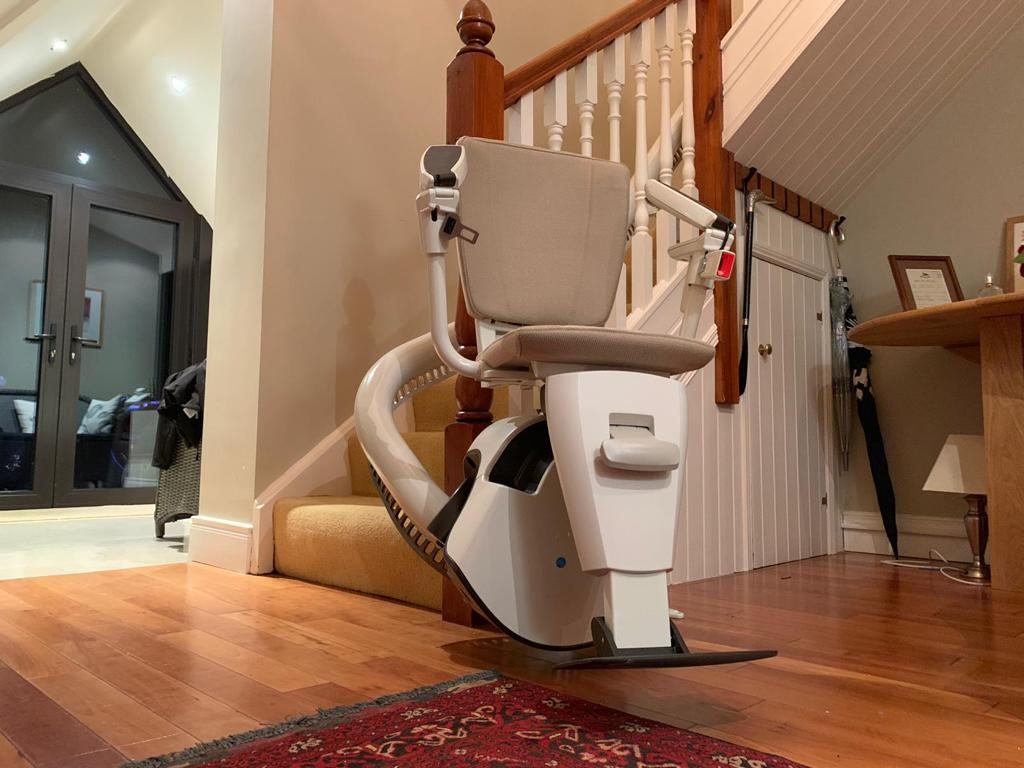
Installing a stairlift involves several critical steps to ensure safety and functionality. This guide outlines the process, providing you with detailed instructions on how to successfully install a stairlift in your home or business.
Assessing Your Needs
Begin by evaluating your specific requirements for a stairlift. Consider factors such as the type of staircase—straight or curved—and any potential obstacles like landings or doorways. Measure the width and height of your staircase accurately; this information is crucial for selecting the right model.
Consult with professionals if necessary to determine which features will best suit your needs, including weight capacity, seat style, and power source options (battery-operated versus hardwired). Understanding these elements upfront ensures that you choose a stairlift that meets both functional and aesthetic preferences.
Choosing the Right Stairlift
Once you've assessed your needs, research various stairlift models available on the market. Look for reputable brands known for quality and reliability. Pay attention to customer reviews and ratings to gauge user satisfaction.
Consider whether you need additional features such as swivel seats for easier entry and exit or remote controls for convenience. Evaluate warranty options as well; a comprehensive warranty can provide peace of mind regarding future maintenance costs.
Installation Steps
- Prepare Your Space: Clear any obstructions from the staircase area where installation will occur.
- Gather Tools: Our engineers arrive with all the specialist tools needed, so there is nothing for you to prepare except clear access to the stairs.
- Install Rail Tracks: Begin by securing the rail tracks along the staircase according to manufacturer specifications. Use a leveler to ensure they are straight.
- Attach Lift Mechanism: Once rail tracks are installed, attach the lift mechanism securely.
- Connect Power Supply: If using an electric model, connect it to an appropriate power source while ensuring proper safety protocols are followed.
- Test Functionality: Before finalizing installation, test the lift multiple times in both directions to confirm smooth operation without any issues.
Following these steps carefully will lead you through an effective installation process so you can enjoy safe mobility throughout your home.
Checklist for Successful Installation
- Assess needs based on staircase type
- Measure dimensions accurately
- Research different models
- Prepare space by clearing obstructions
- Gather necessary tools
- Securely install rail tracks
- Attach lift mechanism correctly
- Connect power supply safely
- Test functionality thoroughly
FAQ
How long does it take to install a stairlift?
The installation time varies depending on complexity but generally takes between 2–4 hours for straight stairlifts and longer for curved ones due to customization requirements.
Can I install a stairlift myself?
No. Stairlifts and lifts must be installed by qualified engineers, who fix the rail securely, connect the electrics and test every safety feature. This keeps you safe and protects the manufacturer's warranty.
What maintenance does a stairlift require?
Regular maintenance includes checking battery health (for battery-operated models), inspecting moving parts for wear-and-tear, cleaning components regularly, and scheduling annual professional inspections if possible.
By following this guide closely during your stairlift installation process, you'll ensure that everything operates smoothly so you can enhance accessibility in your living space effectively.
Quick answers
What tools are needed for stairlift installation?
Our qualified engineers bring all the specialist tools needed. Stairlift installation is not a DIY job, so you do not need to provide anything other than access to the stairs and a nearby plug socket.
How long does stairlift installation take?
A straight stairlift is usually fitted in a few hours. A curved stairlift takes a similar time on the day, but the rail is manufactured to measure first, which usually takes a few weeks.
What are common stairlift installation mistakes?
Common mistakes include choosing a lift without a proper survey, not allowing for doorways at the bottom of the stairs, choosing the wrong seat height and using an unqualified installer. A professional survey and installation avoids them.
Related guides
Troubleshooting Stairlift Installation Issues in Northern Ireland
Troubleshooting stairlift installation issues can help resolve common installation problems.
Read the guideStairlift Installation Safety Tips for Homeowners
Stairlift installation safety tips ensure secure and effective setup for mobility solutions.
Read the guideStairlift Installation Service Comparison in Northern Ireland
Stairlift installation service comparison helps you evaluate options for mobility solutions.
Read the guideBest Practices for Stairlift Installation in Belfast
Best practices for stairlift installation include essential tips and guidelines for safe and effective setup.
Read the guideCommon Mistakes in Stairlift Installations
Common mistakes in stairlift installations can lead to safety issues and inefficiencies.
Read the guideRequirements for Stairlift Installations in Northern Ireland
Requirements for stairlift installations include safety standards, space considerations, and installation guidelines.
Read the guide