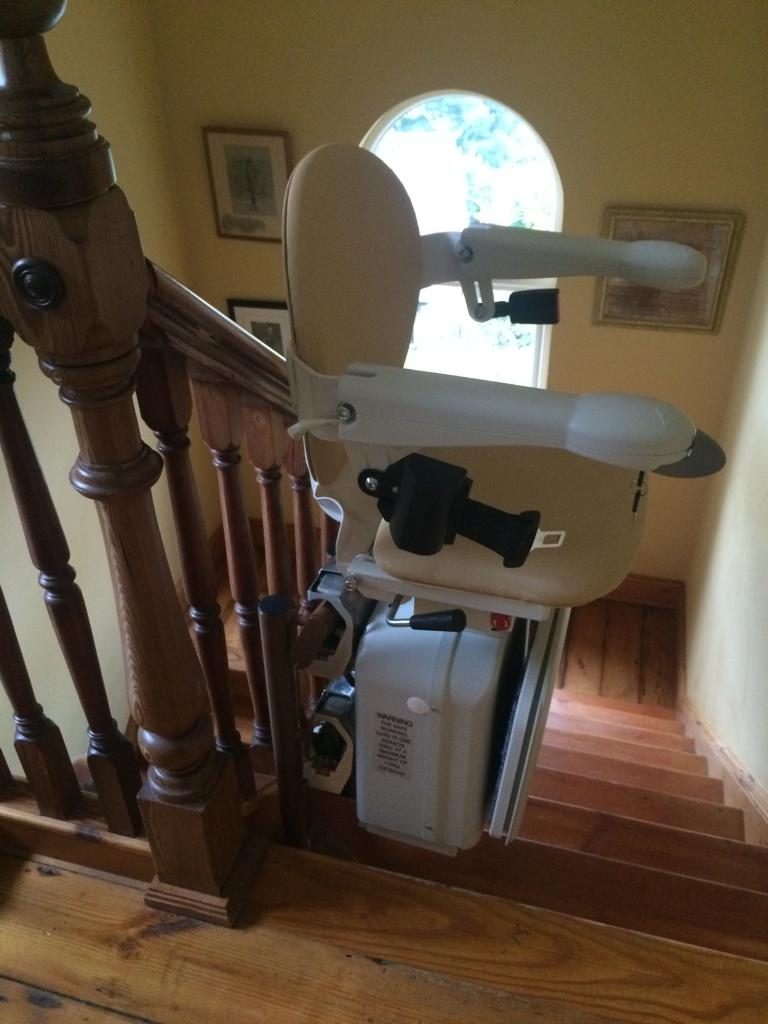
Stairlift installation safety tips are essential for ensuring a secure and efficient setup. Proper installation not only enhances the functionality of your stairlift but also safeguards users against potential hazards. Understanding these tips can help you navigate the installation process effectively.
Assessing Your Space
Before proceeding with an installation, evaluate your staircase thoroughly. Measure the width, height, and angle of your stairs to determine the appropriate stairlift model. A curved stairlift may be necessary for winding staircases, while straight models suit linear designs. Ensure that there is adequate space at both ends of the staircase to facilitate safe entry and exit from the lift.
Additionally, inspect handrails and wall structures along the staircase. These elements must be sturdy enough to support any modifications required during installation. If adjustments are needed, consult a professional installer who can assess structural integrity and recommend solutions tailored to your specific needs.
Choosing Professional Installation
Opting for professional installation is crucial for maintaining safety standards during setup. Trained technicians possess expertise in handling various types of stairlifts and understand local building codes that govern installations. They ensure that all components are securely fitted according to manufacturer specifications.
During this process, professionals will conduct thorough testing after installation to confirm that all systems function correctly. This includes checking weight limits, emergency stop features, and battery backup systems if applicable. By choosing qualified installers, you minimize risks associated with improper setup or malfunctioning equipment.
Regular Maintenance Checks
Once installed, regular maintenance checks are vital for sustaining operational safety over time. Schedule routine inspections with certified technicians who can identify wear or damage early on—this proactive approach helps prevent accidents related to faulty equipment.
Maintenance should include examining electrical connections, battery performance (if applicable), and mechanical parts such as tracks or gears for signs of wear or misalignment. Keeping records of maintenance activities also provides valuable documentation should any issues arise in the future.
Checklist for Safe Installation
- Measure: Confirm dimensions of stairs.
- Inspect: Check handrails and walls.
- Hire Professionals: Choose certified installers.
- Test Systems: Verify proper function post-installation.
- Schedule Maintenance: Plan regular check-ups with experts.
FAQ
What type of stairlift do I need?
Your choice depends on your staircase design—straight models work well on linear stairs while curved options accommodate bends or turns.
How often should I schedule maintenance?
Aim for annual inspections; however, if usage is heavy or signs of wear appear sooner, consider more frequent checks.
Can I install a stairlift myself?
No. Stairlifts and lifts must be installed by qualified engineers, who fix the rail securely, connect the electrics and test every safety feature. This keeps you safe and protects the manufacturer's warranty.
By following these guidelines on stairlift installation safety tips—assessing space accurately, opting for professional help during setup, and committing to ongoing maintenance—you enhance user safety significantly so you can enjoy peace of mind throughout its use.
Quick answers
What are the best practices for stairlift installation?
Use an experienced installer, get a survey first, make sure there is a plug socket nearby, clear the stairs on the day and ask for a full demonstration of the controls and safety features before the engineer leaves.
How can I ensure stairlift safety?
Have the lift installed and serviced by qualified engineers, always wear the seat belt, keep the rail clear, make sure the seat is locked before getting on or off and report any unusual noises straight away.
What tools are needed for stairlift installation?
None that you need to provide. Our engineers bring all the specialist tools and equipment. Installation must be carried out by a qualified stairlift engineer.
Related guides
Troubleshooting Stairlift Installation Issues in Northern Ireland
Troubleshooting stairlift installation issues can help resolve common installation problems.
Read the guideStairlift Installation Process Guide in Belfast
Stairlift installation process guide outlines steps, tools, and tips for effective installation.
Read the guideStairlift Installation Service Comparison in Northern Ireland
Stairlift installation service comparison helps you evaluate options for mobility solutions.
Read the guideBest Practices for Stairlift Installation in Belfast
Best practices for stairlift installation include essential tips and guidelines for safe and effective setup.
Read the guideCommon Mistakes in Stairlift Installations
Common mistakes in stairlift installations can lead to safety issues and inefficiencies.
Read the guideRequirements for Stairlift Installations in Northern Ireland
Requirements for stairlift installations include safety standards, space considerations, and installation guidelines.
Read the guide