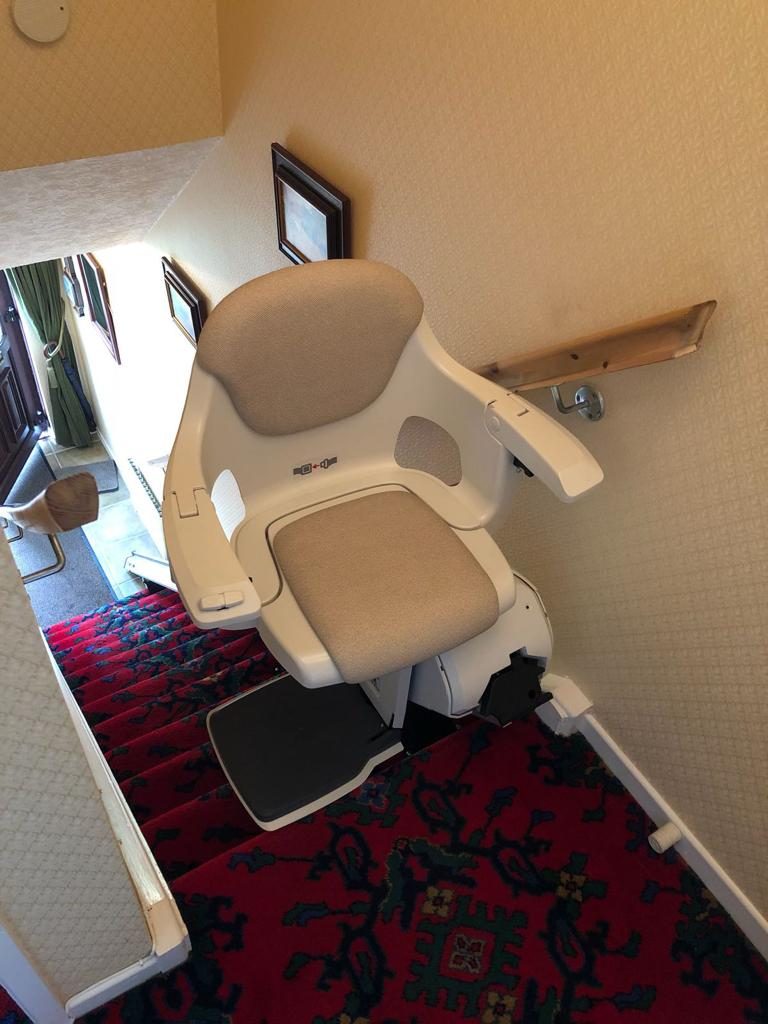
Selecting the right stairlift is essential for enhancing indoor mobility. A stairlift provides a safe and convenient solution for navigating stairs, particularly in homes with multiple levels. This guide outlines key considerations to help you make an informed decision.
Assessing Your Needs
Begin by evaluating your specific requirements. Consider factors such as the layout of your staircase, any existing mobility challenges, and how frequently you will use the stairlift. For example, if you have a straight staircase, a straight stairlift may suffice. However, if your staircase has curves or landings, a curved stairlift will be necessary to ensure safe navigation.
Additionally, assess who will be using the stairlift. If multiple family members require access, consider their individual needs regarding weight capacity and ease of operation. Some models offer features like remote controls or swivel seats that enhance usability for different users.
Understanding Different Types of Stairlifts
Familiarize yourself with various types of stairlifts available on the market. The two primary categories are straight and curved stairlifts:
- Straight Stairlifts: Designed for straightforward flights of stairs without any turns or landings.
- Curved Stairlifts: Customized to fit unique staircase shapes with bends or landings.
Each type comes with distinct advantages based on your home’s configuration and user needs.
When selecting between these options, also consider outdoor stairlifts if applicable; they can provide mobility solutions for exterior steps leading into gardens or patios.
Evaluating Features and Safety Options
Once you've identified the appropriate type of stairlift, evaluate additional features that enhance safety and comfort:
- Weight Capacity: Ensure that the model can support all potential users comfortably.
- Safety Sensors: Look for lifts equipped with sensors that detect obstacles on the stairs.
- Seat Design: Opt for ergonomic designs that provide comfort during use.
- Power Source: Battery-operated models maintain functionality during power outages—an important consideration in case of emergencies.
These features contribute significantly to both safety and user satisfaction when utilizing a stairlift daily.
Checklist Before Purchase
- Assess your specific needs (staircase layout & frequency).
- Determine which type (straight vs curved) fits best.
- Evaluate additional features (safety sensors & seat design).
FAQ
How much does a typical stairlift cost?
The price depends on your individual installation and is usually between £2,000 and £5,000. At the lower end, a straight stairlift with no extras is around £2,000 including installation. At the upper end, a curved stairlift with custom-made parts for a more complex stairwell can be as much as £5,000 including installation. The exact price will be provided in a written quotation that is based on a survey and conversation about your individual needs.
Can I install a stairlift myself?
No. Stairlifts and lifts must be installed by qualified engineers, who fix the rail securely, connect the electrics and test every safety feature. This keeps you safe and protects the manufacturer's warranty.
By following this guide's structured approach to choosing an appropriate lift tailored specifically to your home environment and personal requirements, you can confidently improve indoor mobility enhancements within your living space.
Quick answers
What are indoor mobility enhancements?
Indoor mobility enhancements are changes that make it easier and safer to move around the home, such as stairlifts, through-floor lifts, grab and banister rails, threshold ramps and better lighting.
How do stairlifts improve mobility?
A stairlift makes upstairs rooms usable again for anyone who finds stairs difficult, painful or risky. You can reach your bedroom and bathroom safely and independently, without relying on others.
What features should I consider for stairlifts?
Consider the type of staircase, seat comfort and swivel, controls that suit your grip, a folding footrest and rail if space is tight, weight capacity, safety sensors, battery backup and the warranty and service support.
Guides in this section
How to Choose an Indoor Stairlift in Belfast
How to choose an indoor stairlift involves assessing needs, features, and installation options.
Read the guideStairlift Safety Standards Explained
Stairlift safety standards explained ensure user protection and compliance with regulations.
Read the guideStairlift Financing Options in the UK
Stairlift financing options in the uk provide various choices for homeowners seeking mobility solutions.
Read the guideBenefits of Installing a Stairlift in Your Home
Benefits of installing a stairlift in your home include enhanced safety and independence for users.
Read the guide