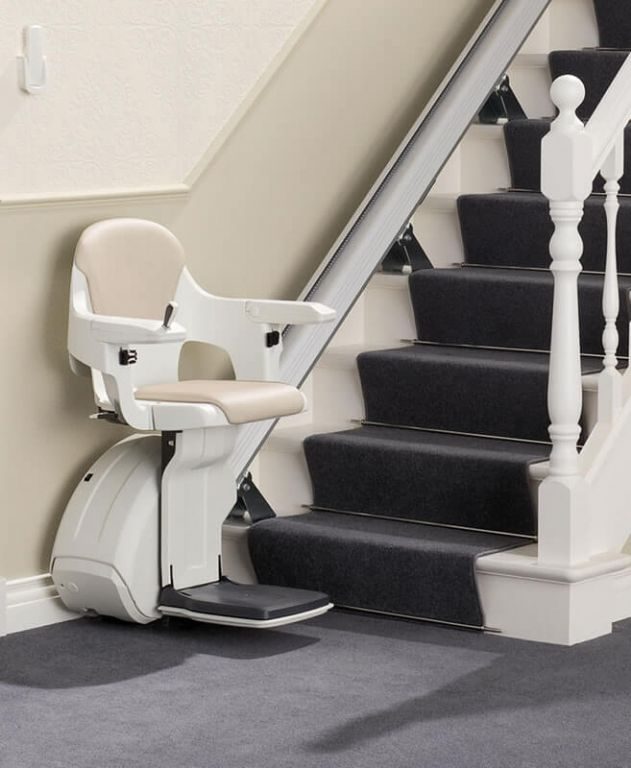
Selecting the right indoor stairlift involves understanding your specific needs, evaluating available options, and considering installation requirements. This guide outlines key factors to help you make an informed decision.
Assess Your Needs
Begin by assessing your mobility challenges and the layout of your home. Consider how often you use the stairs and whether you require a stairlift for yourself or a family member. Evaluate if you need a straight or curved stairlift based on your staircase design. A straight stairlift is suitable for standard, linear stairs, while a curved model accommodates bends and turns.
Next, think about weight capacity. Different models support varying weights; ensure that the chosen lift can comfortably accommodate its user. Additionally, consider any special features that may enhance usability—such as swivel seats for easier entry and exit or remote controls for convenience.
Explore Available Options
Once you've identified your needs, research different types of stairlifts available in the market. Key options include:
- Straight Stairlifts: Ideal for simple staircases without landings.
- Curved Stairlifts: Designed specifically for complex staircase configurations.
- Outdoor Stairlifts: Suitable for external steps leading into homes.
When exploring brands like Northern Ireland Stairlifts, review their product specifications carefully to understand features such as safety mechanisms (e.g., seat belts), battery backup systems in case of power outages, and warranty coverage.
Consider additional functionalities that could improve comfort and safety during use. For instance, some models offer adjustable seat heights or foldable arms to save space when not in use.
Review Installation Requirements
Understanding installation logistics is crucial before making a purchase decision. Most indoor stairlifts require professional installation due to electrical components and structural considerations involved in securing the unit safely along the staircase.
Review potential installation costs with various providers; this can vary significantly based on complexity and customization needs of your staircase layout. Ensure that any installer is certified and experienced with local building codes to guarantee compliance with safety standards.
Be aware of potential modifications needed within your home environment—such as removing railings or adjusting wall structures—to facilitate proper installation without compromising aesthetics or functionality.
Checklist for Choosing an Indoor Stairlift
- Assess mobility needs: frequency of use & user weight.
- Determine type required: straight vs curved vs outdoor.
- Research brands focusing on safety features & warranties.
- Consult reviews from other users regarding reliability & performance.
- Get quotes from multiple installers including assessment visits.
FAQ
What is the average cost of an indoor stairlift?
As a guide, expect a price in the region of £2,000 to £5,000 depending on your installation. Straight stairlifts without extras start at around £2,000 including installation, while curved stairlifts for more complex stairwells need custom-made parts and can cost up to around £5,000 including installation. The exact price will be provided in a written quotation that is based on a survey and conversation about your individual needs.
How long does it take to install a stairlift?
Installation usually takes between 2–4 hours depending on complexity but may vary based on individual circumstances.
By following these guidelines when choosing an indoor stairlift, you will be equipped to select a solution tailored precisely to meet both functional requirements and personal preferences so you can navigate your home safely with confidence.
Quick answers
What features should I consider in a stairlift?
Consider your staircase, the seat and controls, folding parts, safety features, weight capacity, battery backup and the warranty and servicing.
How do I assess stairlift safety?
Look for seat belts, obstruction sensors, a locking swivel seat and battery backup, and ask the installer to demonstrate each one.
What are the installation requirements for stairlifts?
Most indoor stairlifts need stairs at least around 700mm wide, a plug socket nearby and clear space at the top and bottom. A survey will confirm the details.
Related guides
Stairlift Safety Standards Explained
Stairlift safety standards explained ensure user protection and compliance with regulations.
Read the guideStairlift Financing Options in the UK
Stairlift financing options in the uk provide various choices for homeowners seeking mobility solutions.
Read the guideBenefits of Installing a Stairlift in Your Home
Benefits of installing a stairlift in your home include enhanced safety and independence for users.
Read the guide