Understanding stairlift safety standards is essential for ensuring the safe operation and installation of these mobility devices. These standards are designed to protect users and provide peace of mind for families considering a stairlift solution. Compliance with established regulations not only enhances user safety but also ensures reliable performance over time.
Stairlifts must adhere to specific guidelines set forth by regulatory bodies, which vary by region. In the UK, the relevant standards include those from the British Standards Institution (BSI) and European Norms (EN). These guidelines cover various aspects of stairlift design, manufacturing, installation, and maintenance. By following these standards, manufacturers can help ensure that their products meet rigorous safety requirements.
Key Safety Features of Stairlifts
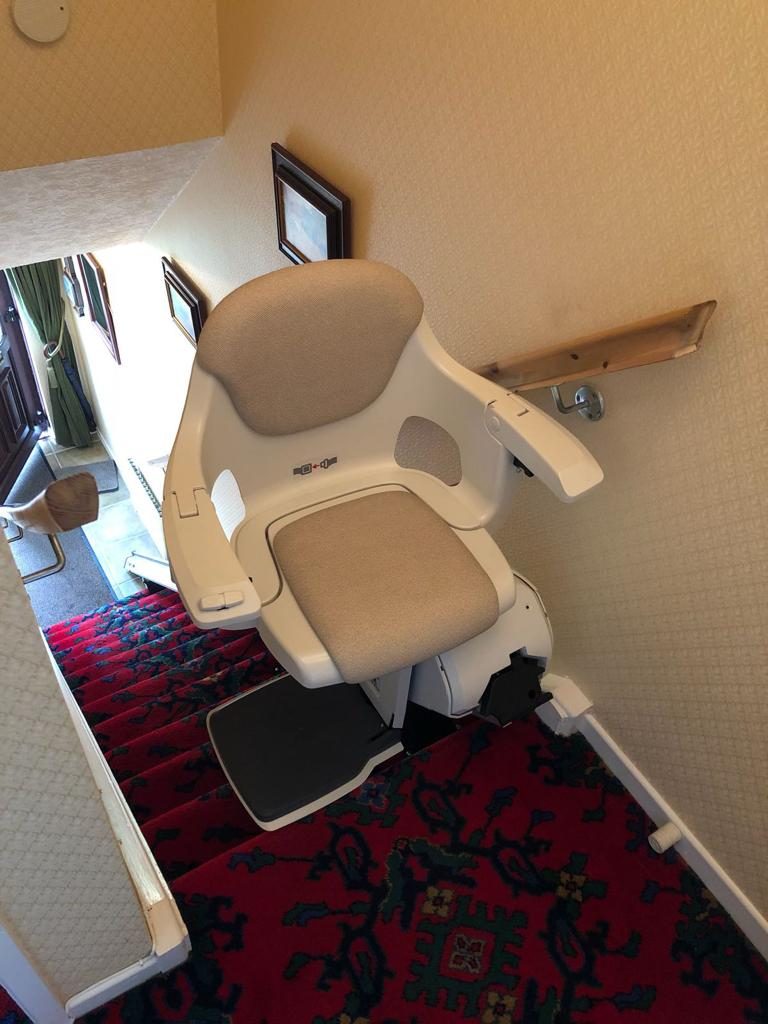
When evaluating stairlifts, it is crucial to consider their safety features. Many modern models incorporate advanced technology designed to enhance user protection. For instance, seat belts are standard on most units to secure users during transit. Additionally, many stairlifts come equipped with sensors that detect obstacles in their path; this feature prevents accidents by stopping the lift if an obstruction is detected.
Another important aspect is the emergency stop button located on both the chair and remote controls. This allows users or caregivers to halt operation immediately if necessary. Furthermore, many models include a swivel seat function that helps users safely exit at landings without twisting or straining themselves—reducing fall risks significantly.
Installation Compliance with Safety Standards
Proper installation of a stairlift is critical for maintaining compliance with safety standards. Qualified professionals should handle installations according to manufacturer specifications and local regulations. Each model may have unique requirements based on its design and intended use; therefore, it's essential that installers are well-versed in these details.
During installation, attention must be paid to factors such as weight limits and power supply configurations. Adhering strictly to these parameters ensures optimal functioning while minimizing potential hazards associated with improper setup or misuse.
Checklist for Safe Stairlift Use
- Regular Maintenance: Schedule routine inspections every six months.
- User Training: Ensure all potential users understand how to operate the lift safely.
- Weight Limits: Confirm that no one exceeds specified weight limits.
- Clear Pathways: Keep stairs free from clutter or obstructions.
- Emergency Procedures: Familiarize everyone involved with emergency protocols.
Frequently Asked Questions about Stairlift Safety Standards
What organizations set stairlift safety standards?
The primary organizations include the British Standards Institution (BSI) and European Norms (EN), which establish comprehensive guidelines for manufacturing and installing stairlifts across Europe.
How often should I maintain my stairlift?
It’s advisable to schedule maintenance checks at least twice a year with qualified technicians who can ensure your device remains compliant with current safety regulations.
Are there different types of stairlifts?
Yes, there are several types including straight lifts suitable for linear stairs and curved lifts designed specifically for spiral or multi-directional stairs—each type adheres to distinct safety criteria tailored for its configuration.
By understanding these key aspects of stairlift safety standards, you can make informed decisions regarding your mobility solutions so you can prioritize both functionality and security in your home environment.
Quick answers
What are the key stairlift safety standards?
Stairlifts should meet the relevant British and European safety standards for stairlifts, which cover design, safety features and installation.
How do I ensure my stairlift is safe?
Have it installed by a qualified engineer, book a professional service at least once a year, always use the seat belt, keep the rail clear and check between services that the sensors and swivel lock work properly.
What regulations apply to stairlifts?
Stairlifts must meet the relevant product safety standards. Most domestic stairlifts do not need planning permission, but check if your property is listed or the stairs are shared.
Related guides
How to Choose an Indoor Stairlift in Belfast
How to choose an indoor stairlift involves assessing needs, features, and installation options.
Read the guideStairlift Financing Options in the UK
Stairlift financing options in the uk provide various choices for homeowners seeking mobility solutions.
Read the guideBenefits of Installing a Stairlift in Your Home
Benefits of installing a stairlift in your home include enhanced safety and independence for users.
Read the guide