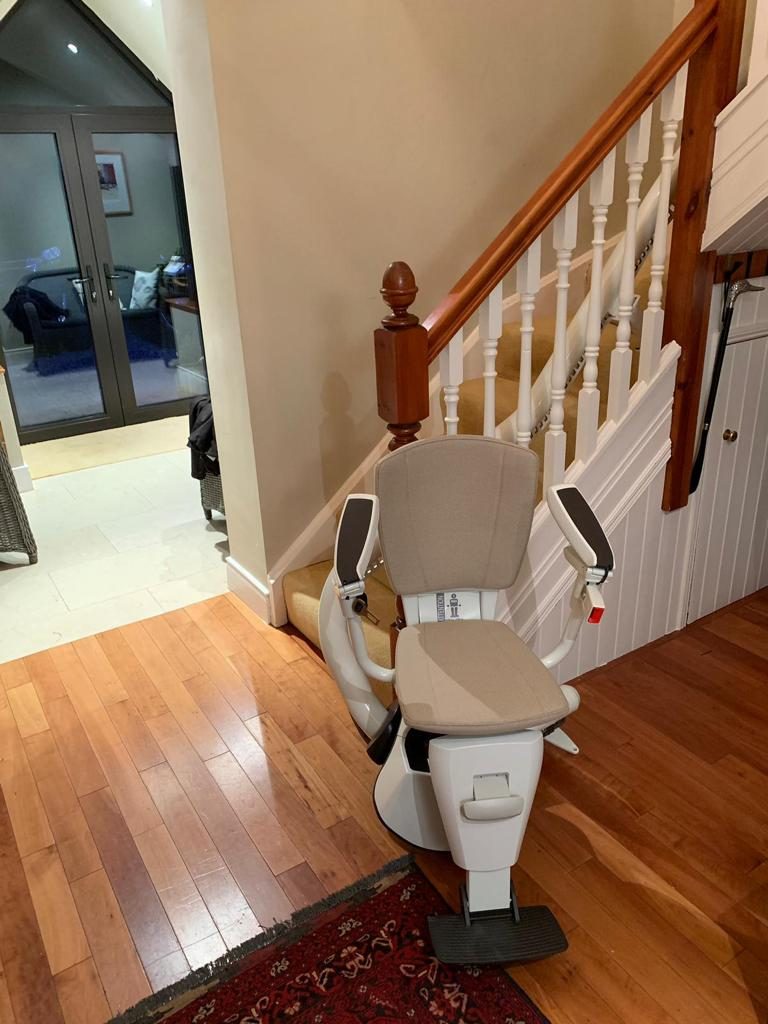
Finding the right stairlift financing options in the UK can significantly ease your investment decision. Understanding available choices allows you to select a solution that meets both your needs and financial situation. This guide will explore various financing methods, helping you make an informed choice.
Types of Financing Options
When considering stairlift financing, several options are available to accommodate different financial situations. These include personal loans, home equity loans, and specialized stairlift financing programs.
Personal loans are unsecured loans that can be used for any purpose, including purchasing a stairlift. They typically have fixed interest rates and repayment terms ranging from one to seven years. The application process is straightforward; however, securing a competitive rate may depend on your credit score.
Home equity loans allow homeowners to borrow against their property’s value. This option often provides lower interest rates compared to personal loans because it is secured by your home. However, it requires sufficient equity built up in your property and involves more extensive paperwork.
Specialized stairlift financing programs are tailored specifically for individuals looking to purchase mobility aids like stairlifts. These programs often offer flexible payment plans or low-interest rates designed for those with limited budgets or specific needs related to mobility challenges.
Northern Ireland Housing Executive Grants
In addition to private payment options, the Northern Ireland Housing Executive may help offset the cost of a stairlift. Its Disabled Facilities Grant helps eligible owner-occupiers and private tenants with adaptations for people with disabilities or mobility issues.
Housing Executive tenants can request adaptations directly, and housing association tenants should contact their landlord. It helps cover the cost of necessary adaptations within the home, which can include installing a stairlift. Eligibility criteria vary by region but generally consider factors such as income level and disability status.
To apply, you will normally need an occupational therapist assessment arranged through your local Health and Social Care Trust. Once approved, these grants can significantly reduce out-of-pocket expenses when purchasing a stairlift.
Evaluating Your Financial Situation
Before committing to any financing option for your stairlift purchase, it's essential to evaluate your financial situation thoroughly. Consider creating a budget that outlines all potential costs associated with acquiring and maintaining the lift over time.
Assessing monthly payments against your current income will help determine what you can afford without straining other areas of your finances. Additionally, factor in maintenance costs and potential future repairs when calculating total ownership expenses.
Consulting with a financial advisor may also provide valuable insights into selecting the most suitable financing route based on individual circumstances and long-term goals.
Checklist: Key Considerations Before Choosing Financing
- Credit Score: Check if it meets requirements for favorable loan terms.
- Budget: Create an outline of monthly expenses versus income.
- Loan Type: Determine whether an unsecured loan or secured loan suits you better.
- Housing Executive Grants: Check your eligibility for a Northern Ireland Housing Executive Disabled Facilities Grant.
- Maintenance Costs: Factor ongoing maintenance into overall budgeting.
FAQ
What credit score do I need for personal loans?
Most lenders require a minimum credit score between 580–640 for personal loans; higher scores yield better terms.
Are there age restrictions on Housing Executive grants?
Eligibility varies by program; many focus on disability rather than age alone but check specific regional guidelines.
By understanding these aspects of stairlift financing in Northern Ireland, including payment options, Housing Executive grants and VAT relief, you can make a confident decision that improves mobility in your home while managing costs effectively.
Quick answers
What are the best stairlift financing options?
Options include a Northern Ireland Housing Executive grant, VAT relief for people with a disability or long-term illness, and payment options offered by your supplier.
How can I apply for stairlift funding?
Ask your local Health and Social Care Trust for an occupational therapist assessment. This is usually the first step towards a Housing Executive grant.
Are there grants available for stairlifts?
Yes. The Northern Ireland Housing Executive's Disabled Facilities Grant can help eligible homeowners and private tenants. Housing Executive tenants can request adaptations directly.
What is the average cost of a stairlift?
Pricing depends on the individual installation and is usually in the region of £2,000 to £5,000 including installation. The exact price will be provided in a written quotation that is based on a survey and conversation about your individual needs.
How do I choose a financing plan?
Compare the total cost, the monthly amount, the length of the agreement and any interest. Make sure you understand all terms before signing.
Related guides
How to Choose an Indoor Stairlift in Belfast
How to choose an indoor stairlift involves assessing needs, features, and installation options.
Read the guideStairlift Safety Standards Explained
Stairlift safety standards explained ensure user protection and compliance with regulations.
Read the guideBenefits of Installing a Stairlift in Your Home
Benefits of installing a stairlift in your home include enhanced safety and independence for users.
Read the guide