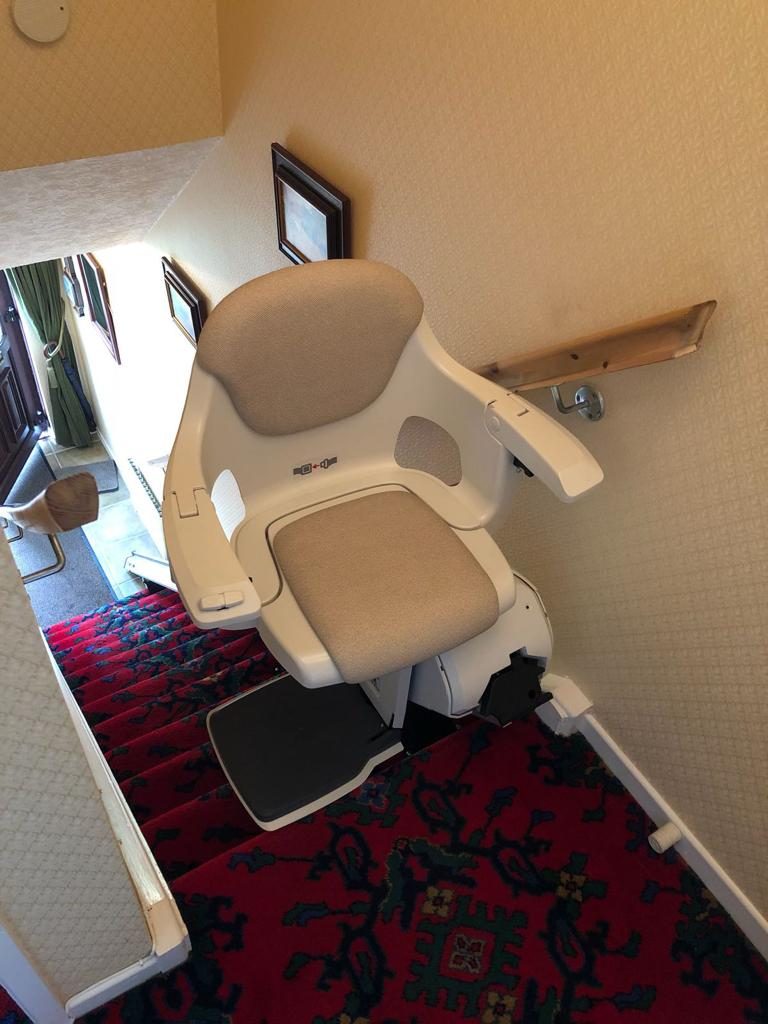
When evaluating stairlift safety features across brands, it is crucial to understand the specific attributes that contribute to user safety and comfort. Different manufacturers offer various technologies and design elements that enhance the overall safety profile of their stairlifts. This guide will provide a comprehensive comparison of these features, enabling you to make an informed choice.
Key Safety Features in Stairlifts
Stairlifts are designed with multiple safety features that ensure secure operation. Commonly found across leading brands are seat belts, anti-slip footrests, and obstruction sensors.
Seat belts serve as a primary restraint mechanism, preventing users from slipping during transit. Many models feature adjustable seat belts for added comfort and security tailored to individual needs.
Anti-slip footrests are essential for maintaining stability while boarding or disembarking from the stairlift. These footrests often come with textured surfaces that reduce the risk of slips, particularly on steep or curved stairs.
Obstruction sensors play a critical role in preventing accidents by detecting obstacles on the staircase path. If an obstacle is detected, most models will halt operation until it is cleared, ensuring user safety throughout the ride.
Additional Safety Mechanisms
Beyond basic features, advanced technology enhances stairlift safety further. Some brands incorporate emergency stop buttons and manual controls for added peace of mind.
Emergency stop buttons allow users or caregivers to quickly halt operation if necessary. This feature can be vital in situations where immediate action is required due to unexpected circumstances.
Manual controls enable users to operate the stairlift independently without relying solely on remote controls or automated systems. This accessibility ensures that individuals can navigate their homes safely even if they experience technical difficulties with electronic components.
Brands also vary in terms of weight capacity limits and installation options which directly impact user safety profiles. It’s important to verify each model's specifications against your specific requirements before making a decision.
Maintenance Considerations for Safety
Regular maintenance plays an integral role in ensuring ongoing safety performance for any chosen stairlift model. Routine professional checks should include testing batteries, lubricating moving parts and verifying sensor functionality.
Battery health is paramount since many stairlifts rely on battery power during outages or when not connected to mains electricity. Regular testing ensures reliability when needed most; some manufacturers recommend monthly checks as part of standard maintenance routines.
Lubrication prevents wear over time and helps maintain smooth operation along tracks—this reduces friction-related hazards significantly. Lubrication should be carried out by a qualified engineer during servicing, not by the user.
Verifying sensor functionality periodically guarantees optimal performance; malfunctioning sensors could lead to dangerous situations if not addressed promptly through professional servicing or repairs by qualified technicians familiar with specific brand standards.
Checklist for Evaluating Stairlift Safety Features
- Seat Belts: Adjustable? Comfortable?
- Footrests: Anti-slip texture? Sufficient size?
- Obstruction Sensors: Operational? Sensitivity settings?
- Emergency Stop Button: Easily accessible?
- Manual Controls: Available? User-friendly?
- Weight Capacity: Meets your needs?
FAQ About Stairlift Safety Features
What types of seat belts do stairlifts use?
Most modern stairlifts utilize retractable lap belts designed for ease of use while providing adequate restraint during travel up or down stairs.
How often should I perform maintenance checks on my stairlift?
It’s advisable to conduct routine maintenance checks at least once every six months; however, more frequent inspections may be necessary depending on usage intensity levels encountered daily.
By understanding these key aspects related specifically toward comparing various brands' offerings concerning their respective safety mechanisms associated with different models available today—you can confidently choose a solution tailored precisely towards enhancing mobility within your home environment effectively!
Quick answers
What are the key safety features of stairlifts?
Every reputable stairlift should have a seat belt, obstruction sensors on the carriage and footrest, a swivel seat that locks before you get on or off, a key switch, a soft start and stop, and battery backup for power cuts.
How do stairlift brands compare on safety?
All leading brands include the essential safety features. Differences are in the details, such as how sensitive the sensors are, how easy the controls are and the quality of local service.
Are there safety standards for stairlifts?
Yes. Stairlifts sold and installed in Northern Ireland should meet the relevant British and European safety standards for stairlifts.
Related guides
Maintenance Tips for Stairlift Safety Features in Belfast
Maintenance tips for stairlift safety features ensure safe operation and longevity of your stairlift.
Read the guideEvaluating Stairlift Safety Ratings in Northern Ireland
Evaluating stairlift safety ratings helps ensure safe mobility solutions for seniors.
Read the guideCommon Stairlift Safety Concerns for Seniors in Belfast
Common stairlift safety concerns for seniors include risks, maintenance tips, and user guidelines.
Read the guideTroubleshooting Stairlift Safety Issues in Northern Ireland
Troubleshooting stairlift safety issues can help ensure safe operation and prevent accidents.
Read the guide