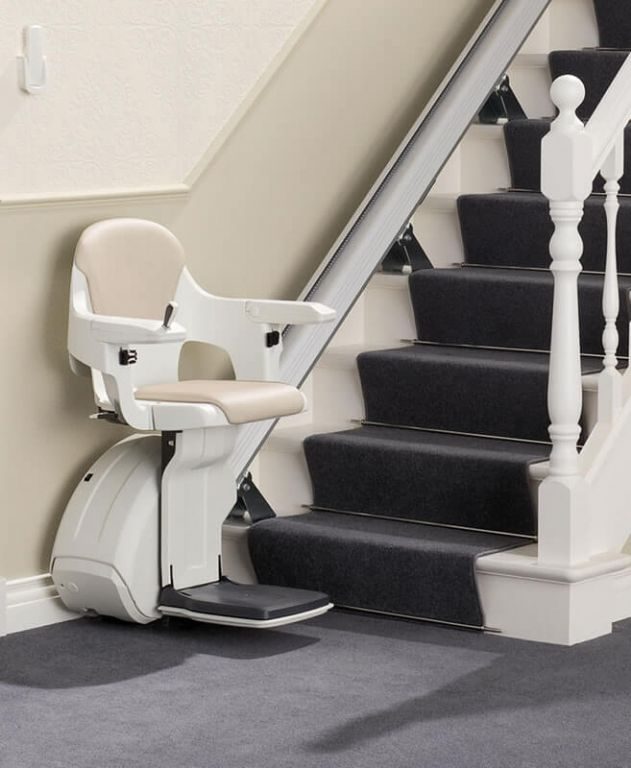
Stairlifts enhance mobility, but safety concerns can arise. Addressing these issues promptly is essential for ensuring user safety and maintaining the functionality of the stairlift. This guide provides a structured approach to troubleshooting common stairlift safety problems.
Identifying Common Safety Issues
The first step in troubleshooting stairlift safety issues is recognizing the signs that indicate a problem. Common issues include unusual noises, failure to operate, or unexpected stops during use. These symptoms can stem from various factors such as mechanical wear, electrical faults, or improper installation.
Regular inspections are crucial for identifying potential hazards before they escalate into serious problems. Check for loose bolts or connections, worn tracks, and ensure that all safety features are functioning correctly. If you notice any irregularities during your checks, it may be time to consult with a professional technician who specializes in stairlift maintenance.
Understanding Safety Features
Stairlifts come equipped with multiple safety features designed to protect users during operation. These typically include seat belts, obstruction sensors, and emergency stop buttons. Familiarizing yourself with these components will help you troubleshoot effectively when issues arise.
For instance, if the stairlift does not move when prompted, check whether the seat belt is fastened properly or if there’s an obstruction on the track. Obstruction sensors prevent movement if something blocks the path; understanding this feature can save time and prevent unnecessary service calls.
Performing Routine Maintenance Checks
Routine maintenance plays a vital role in preventing safety issues with your stairlift. Regularly scheduled professional checks should include testing battery health, inspecting wiring for damage and lubricating moving parts, all carried out by a qualified engineer.
Create a maintenance schedule that aligns with usage frequency—daily checks might be necessary for high-traffic areas while weekly inspections could suffice elsewhere. Keeping detailed records of maintenance activities helps identify patterns over time which may indicate underlying problems needing attention.
Checklist for Routine Maintenance
- Inspect tracks for debris or obstructions.
- Test all safety features including emergency stops.
- Verify battery charge levels.
- Leave lubrication to your service engineer.
- Report any loose bolts or screws to a qualified engineer rather than tightening them yourself.
Frequently Asked Questions
What should I do if my stairlift makes unusual noises?
Unusual noises often indicate mechanical wear or misalignment within the system. Stop using the lift immediately and conduct a visual inspection of all moving parts before contacting a technician.
How often should I have my stairlift serviced?
It is advisable to have your stairlift serviced at least once every year by a qualified technician to ensure optimal performance and address any emerging issues early on.
Can I troubleshoot electrical issues myself?
Only the simplest checks, such as wiping the rail with a dry cloth, keeping the lift on charge and checking the socket and key switch. Repairs, lubrication, battery replacement and any electrical work must be carried out by a qualified engineer.
By following these guidelines on troubleshooting stairlift safety issues through regular inspections and understanding key components' functions, you can maintain both user confidence and equipment reliability effectively so you can enjoy safe mobility throughout your home or business environment without interruption.
Quick answers
What are common stairlift safety issues?
Seat belts that do not fasten properly, sensors that do not respond, a swivel seat that does not lock, or a lift that stops unexpectedly. All should be checked by an engineer straight away.
How to troubleshoot stairlift problems?
Make simple checks such as the plug socket, key switch, charging position and obstructions. If there is any safety concern, stop using the lift and call a qualified engineer.
When should I call a technician?
Straight away if any safety feature is not working, or if the lift is noisy, jerky or showing an error code.
What safety features should I check?
Check regularly that the seat belt fastens and releases properly, the sensors stop the lift when lightly touched, the seat locks firmly after swivelling, the controls respond smoothly and the battery keeps the lift running.
How to maintain stairlift safety?
Have it serviced at least once a year, keep the rail clean and clear and report any faults promptly.
Related guides
Maintenance Tips for Stairlift Safety Features in Belfast
Maintenance tips for stairlift safety features ensure safe operation and longevity of your stairlift.
Read the guideEvaluating Stairlift Safety Ratings in Northern Ireland
Evaluating stairlift safety ratings helps ensure safe mobility solutions for seniors.
Read the guideCommon Stairlift Safety Concerns for Seniors in Belfast
Common stairlift safety concerns for seniors include risks, maintenance tips, and user guidelines.
Read the guideComparison of Stairlift Safety Features Across Brands
Comparison of stairlift safety features across brands helps you evaluate options for safety and reliability.
Read the guide