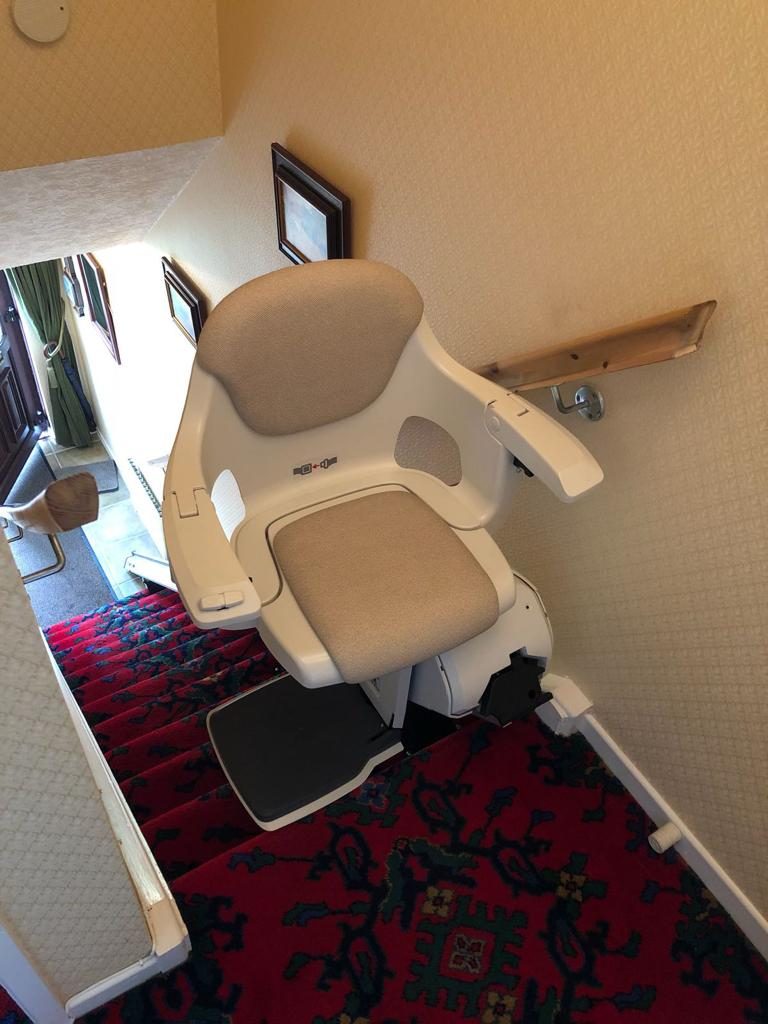
Ensuring the safety of stairlift features is crucial for users and caregivers alike. Regular maintenance not only prolongs the life of your stairlift but also guarantees its safe operation. This guide provides essential tips to maintain safety features effectively.
Understanding Your Stairlift's Safety Features
Stairlifts are equipped with various safety mechanisms designed to protect users during operation. Key features include seat belts, obstruction sensors, and emergency stop buttons. Familiarizing yourself with these components will help you monitor their functionality regularly.
The seat belt should be checked frequently for wear or damage. A frayed or broken belt can compromise user safety significantly. Ensure that it operates smoothly and securely fastens when in use.
Obstruction sensors detect any obstacles on the track while the stairlift is in motion. These sensors must be clean and unobstructed to function correctly. Periodically inspect them to ensure they are free from dust or debris that could hinder performance.
Performing Regular Inspections
Conducting regular inspections is vital for maintaining your stairlift’s safety features. Schedule monthly checks to assess all mechanical parts, including the track, chair, and battery system.
Begin by examining the rail for signs of wear or misalignment. Any irregularities can affect how smoothly the lift travels along its path, posing a risk during use. If you notice any issues, consult a professional technician immediately.
Next, check the battery condition if your model uses one. Low battery levels can lead to unexpected stops or erratic behavior during operation. Have your batteries tested at every service and replaced by an engineer when they start to wear.
Cleaning and Professional Servicing
Regular cleaning and professional servicing play a significant role in maintaining stairlift safety features over time. Dust buildup can interfere with moving parts and reduce efficiency.
Start by wiping down surfaces with a damp cloth to remove dust from both visible areas and hidden components like gears or motors. Avoid using harsh chemicals that may damage finishes or electrical systems; instead, opt for mild soap solutions when necessary.
Have moving parts checked and lubricated by a qualified engineer as part of regular servicing to prevent friction-related failures that could compromise user safety.
Checklist for Stairlift Maintenance
- Inspect seat belts: Look for wear or fraying.
- Check obstruction sensors: Ensure they are clean.
- Examine tracks: Look for misalignment or damage.
- Assess battery health: Replace as needed.
- Clean surfaces: Use mild cleaners regularly.
- Book regular professional servicing: Follow manufacturer recommendations.
FAQ
How often should I perform maintenance on my stairlift?
You should conduct maintenance checks at least once a month while performing deeper inspections every six months.
What should I do if my stairlift makes unusual noises?
Unusual noises may indicate mechanical issues requiring immediate attention from a qualified technician before further use of the lift occurs.
By following these maintenance tips for stairlift safety features, you enhance user protection while ensuring optimal performance throughout its lifespan so you can enjoy peace of mind knowing your equipment functions safely and reliably at all times.
Quick answers
What are essential stairlift safety features?
Essential features are the seat belt, obstruction sensors, a locking swivel seat, a key switch, a smooth start and stop and battery backup.
How to maintain a stairlift properly?
Keep the rail clean and clear, keep the lift on charge, test the seat belt and controls regularly and book an annual service with a qualified engineer.
What checks ensure stairlift safety?
Check that the seat belt fastens, the sensors stop the lift when touched, the seat locks after swivelling and the lift runs smoothly. Report any faults straight away.
When should I schedule stairlift maintenance?
Book a professional service at least once a year. Do not wait for the next routine visit if you notice unusual noises, jerky movement, error messages or a safety feature that does not respond; call an engineer straight away.
Related guides
Evaluating Stairlift Safety Ratings in Northern Ireland
Evaluating stairlift safety ratings helps ensure safe mobility solutions for seniors.
Read the guideCommon Stairlift Safety Concerns for Seniors in Belfast
Common stairlift safety concerns for seniors include risks, maintenance tips, and user guidelines.
Read the guideTroubleshooting Stairlift Safety Issues in Northern Ireland
Troubleshooting stairlift safety issues can help ensure safe operation and prevent accidents.
Read the guideComparison of Stairlift Safety Features Across Brands
Comparison of stairlift safety features across brands helps you evaluate options for safety and reliability.
Read the guide