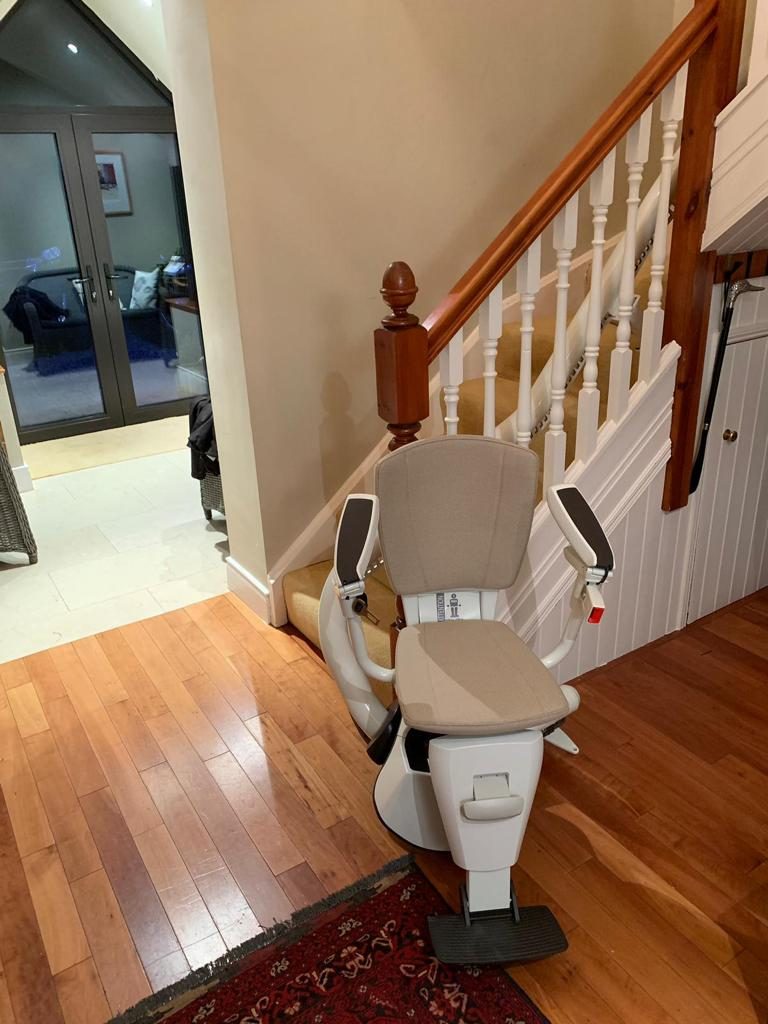
Evaluating stairlift safety ratings is crucial for ensuring the well-being of users. A stairlift provides mobility solutions, especially for individuals with limited mobility. Understanding how to assess these safety ratings will help you make informed decisions when selecting a stairlift that meets your specific needs.
Stairlifts are designed to facilitate safe and comfortable transportation up and down stairs. However, not all stairlifts are created equal in terms of safety features and reliability. By focusing on key safety ratings, you can determine which models offer the best protection against potential hazards.
Key Safety Features to Consider
When evaluating stairlift safety ratings, several critical features should be prioritized. These include weight capacity, emergency stop functions, and seatbelt systems.
Weight capacity is essential because it determines whether the stairlift can safely accommodate its intended user. Most models have a specified maximum weight limit that must not be exceeded to ensure safe operation. Always check this rating before making a purchase.
Emergency stop functions provide an added layer of security during unexpected situations. This feature allows users or caregivers to halt the lift immediately if necessary. Look for models equipped with easily accessible emergency controls located both on the chair and at landing points.
Seatbelt systems are another vital aspect of stairlift safety. A secure seatbelt ensures that users remain safely seated while in motion, reducing the risk of falls or injuries during transit.
Compliance with Safety Standards
Understanding compliance with industry standards is also important when evaluating stairlift safety ratings. Various organizations establish guidelines that manufacturers must follow to ensure product quality and user protection.
The British Standards Institution (BSI) sets rigorous criteria for stairlifts sold in the UK, including Northern Ireland. Models compliant with BSI standards undergo thorough testing for performance and durability under various conditions. Look for certifications indicating compliance with these standards as they reflect a commitment to user safety.
Additionally, consider whether the manufacturer has received any third-party endorsements or awards related to their products' safety features. Such recognitions often highlight superior design elements that enhance overall usability and security.
Regular Maintenance Importance
Regular maintenance plays a significant role in maintaining your stairlift's operational integrity over time. Neglecting routine checks may lead to decreased functionality or increased risks associated with wear-and-tear issues.
Establishing a maintenance schedule ensures all components function correctly while adhering to manufacturer recommendations regarding servicing intervals and procedures. Regular inspections by qualified technicians can identify potential problems before they escalate into serious concerns.
You should also familiarize yourself with basic troubleshooting techniques outlined in your user manual so you can address minor issues promptly without compromising safety standards.
Checklist for Evaluating Stairlift Safety Ratings
- Verify weight capacity exceeds user's requirements.
- Check for emergency stop functionalities.
- Ensure presence of secure seatbelt systems.
- Confirm compliance with BSI standards.
- Review third-party endorsements or awards.
- Establish regular maintenance schedules.
FAQ
What factors influence a stairlift's weight capacity?
Factors such as motor strength, frame construction materials, and design play crucial roles in determining weight limits set by manufacturers.
How often should I perform maintenance on my stairlift?
It is advisable to carry out maintenance checks at least once every 12 months; however, consult your manufacturer's guidelines for specific recommendations based on usage patterns.
Every home is different, so the best next step is a free survey, where we can answer your questions in person.
Quick answers
What are stairlift safety ratings?
Safety ratings refer to whether a stairlift meets the relevant safety standards and how its safety features perform, such as sensors, belts, swivel locks and emergency backup.
How to evaluate stairlift safety?
Check that the stairlift meets the relevant British and European standards, look at its safety features, read reviews and ask your installer to demonstrate each feature.
Why are safety ratings important?
They give you confidence that the lift has been designed and tested to protect users from falls, collisions and electrical faults.
What features affect safety ratings?
Ratings depend on how well the obstruction sensors respond, the design of the seat belt and swivel lock, speed control and the soft start and stop, battery backup, and the quality of the installation and ongoing servicing.
Related guides
Maintenance Tips for Stairlift Safety Features in Belfast
Maintenance tips for stairlift safety features ensure safe operation and longevity of your stairlift.
Read the guideCommon Stairlift Safety Concerns for Seniors in Belfast
Common stairlift safety concerns for seniors include risks, maintenance tips, and user guidelines.
Read the guideTroubleshooting Stairlift Safety Issues in Northern Ireland
Troubleshooting stairlift safety issues can help ensure safe operation and prevent accidents.
Read the guideComparison of Stairlift Safety Features Across Brands
Comparison of stairlift safety features across brands helps you evaluate options for safety and reliability.
Read the guide