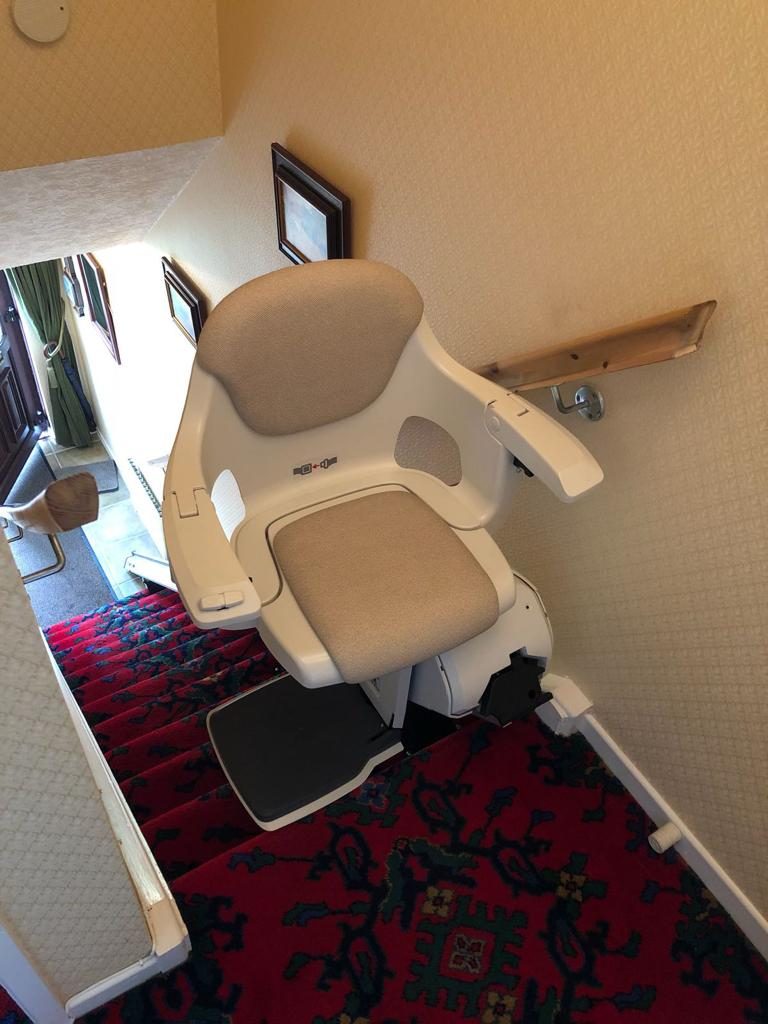
Assessing stairlift safety ratings is crucial for ensuring the well-being of users. A reliable stairlift should meet specific safety standards and regulations that protect users from potential hazards. Understanding how to evaluate these safety ratings will help you make informed decisions when selecting a stairlift.
Understand Safety Standards
Stairlifts must comply with various safety standards set by regulatory bodies. In the UK, the primary standard governing stairlifts is BS EN 81-40, which outlines essential requirements for safe design and installation. This standard ensures that the equipment can operate safely under normal conditions and includes guidelines on load capacity, emergency procedures, and user controls.
When evaluating a stairlift's compliance with these standards, check for certification marks or labels indicating adherence to BS EN 81-40 or equivalent regulations. Additionally, consider whether the manufacturer provides documentation proving their product meets these requirements. This information is vital as it reflects the manufacturer's commitment to safety.
Evaluate User Features
Safety features are critical components of any stairlift system. Look for models equipped with seat belts, swivel seats, and obstruction sensors that prevent accidents during operation. These features enhance user security significantly by minimizing risks associated with falls or sudden stops.
Moreover, assess additional functionalities such as soft start/stop mechanisms that ensure smooth travel along the staircase. Some models also offer remote control options allowing caregivers to operate the lift conveniently from different locations in your home or business premises. Evaluating these user features helps you determine how effectively a stairlift can safeguard its users during operation.
Review Maintenance Requirements
Regular maintenance plays an essential role in maintaining a stairlift's safety performance over time. Check if the manufacturer recommends routine inspections and servicing schedules to ensure all components function correctly. A well-maintained stairlift not only adheres better to safety standards but also prolongs its lifespan.
Inquire about warranty coverage related to maintenance services offered by manufacturers or dealers as this can affect long-term costs associated with ownership. Understanding what maintenance entails will give you insight into ongoing responsibilities required after purchasing a stairlift so you can plan accordingly.
Checklist for Assessing Stairlift Safety Ratings
- Confirm compliance with relevant safety standards (e.g., BS EN 81-40).
- Verify presence of key safety features (seat belts, sensors).
- Assess ease of use through operational controls.
- Investigate recommended maintenance practices.
- Review warranty terms regarding service coverage.
FAQ
What are common signs that a stairlift may be unsafe?
Common signs include unusual noises during operation, jerky movements while ascending or descending stairs, and failure of emergency stop functions.
How often should I have my stairlift serviced?
It’s advisable to follow manufacturer recommendations; typically every six months is suggested for optimal performance and safety assurance.
Can I install a used stairlift?
While it’s possible to install a used unit, ensure it complies with current safety standards and has been properly maintained before purchase.
If you would like advice for your own home, book a free survey and a local adviser will talk you through the options.
Quick answers
What are stairlift safety ratings?
Safety ratings show whether a stairlift meets the relevant standards and how well its safety features, such as sensors and locks, perform in use.
How to compare stairlift safety features?
Compare the sensors, seat belts, swivel locks, battery backup and controls, and consider the quality of installation and servicing offered by the supplier.
What standards apply to stairlift safety?
Stairlifts should meet the relevant British and European safety standards, which set requirements for design, safety features and installation.
Related guides
Safety Features to Look for in a Stairlift
Safety features to look for in a stairlift include essential elements for safe operation and user comfort.
Read the guideSafety Features to Look for in Outdoor Stair Lifts
Safety features to look for in outdoor stair lifts include essential elements for secure outdoor mobility.
Read the guideHome Lift Safety Features Checklist for Northern Ireland
Home lift safety features checklist ensures safe operation and compliance for your lift.
Read the guideResidential Lift Safety Features in Belfast
Residential lift safety features ensure safe usage and accessibility for all users.
Read the guideGuide to Inspecting Stairlift Safety Features
Guide to inspecting stairlift safety features ensures your stairlift meets safety standards.
Read the guideEssential Safety Tests for Stairlift Operation
Essential safety tests for stairlift operation ensure safe and reliable use in homes and businesses.
Read the guide