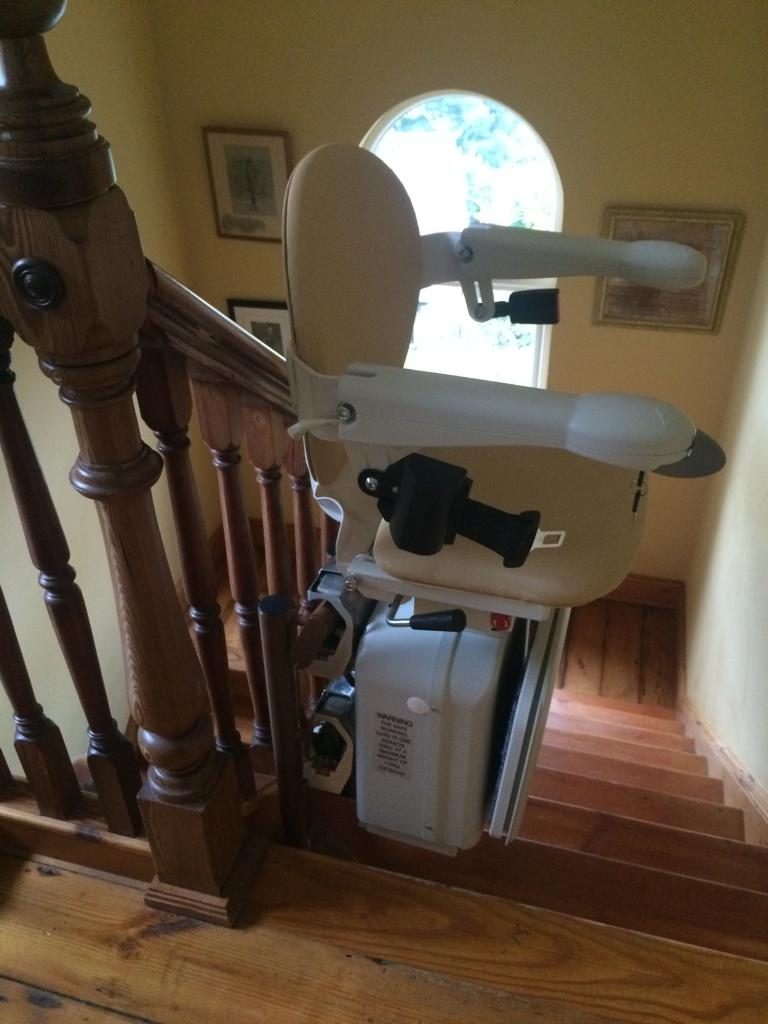
Maintaining your stairlift is essential to ensure its safe and efficient operation. Regular maintenance not only extends the lifespan of the equipment but also prevents potential accidents that can occur due to neglect. This guide provides practical steps for maintaining your stairlift, ensuring it remains in optimal condition.
Understanding Your Stairlift Components
A stairlift consists of several critical components, including the rail system, motor, battery, and seat. Each part must be regularly inspected and maintained to ensure overall functionality.
The rail system should be clear of debris and obstructions. Dust or dirt accumulation can hinder movement, leading to mechanical issues. Check the rails weekly for any signs of wear or damage. If you notice anything unusual, consult a professional technician immediately.
The motor is another vital component that requires attention. Ensure that it operates smoothly without unusual noises or vibrations. If you hear grinding sounds or experience jerky movements during operation, this could indicate a problem with the motor's gears or electrical connections.
Battery Care and Replacement
Batteries are crucial for powering your stairlift when not connected to an electrical outlet. Regularly check the battery charge level; most models have indicators showing when charging is needed.
To prolong battery life, avoid leaving your stairlift unused for extended periods without charging it fully at least once every few months. When replacement becomes necessary—typically every 1-2 years—ensure you use batteries recommended by the manufacturer for compatibility and safety reasons.
Your engineer will inspect battery terminals for corrosion or loose connections at each service.
Safety Features Inspection
Stairlifts come equipped with various safety features designed to protect users from accidents during operation. These may include seat belts, footrests that automatically retract when not in use, and emergency stop buttons.
Conduct monthly checks on these safety features to confirm they function correctly. Test the emergency stop button periodically; this ensures it's operational in case of an unexpected situation while using the lift.
Also verify that all warning labels are visible and legible on your stairlift unit as these provide important safety information relevant to users.
Checklist for Safe Stairlift Maintenance
- Inspect rail system weekly.
- Monitor motor performance regularly.
- Check battery charge levels monthly.
- Battery terminals checked by the engineer at each service.
- Test safety features monthly (seat belts, emergency stops).
FAQ
How often should I perform maintenance on my stairlift?
Regular inspections should occur weekly with more comprehensive checks performed monthly depending on usage frequency.
What signs indicate my stairlift needs professional servicing?
Unusual noises from the motor, jerky movements during operation, or failure of safety features signal a need for immediate professional assessment.
Can I perform repairs myself?
Only the simplest checks, such as wiping the rail with a dry cloth, keeping the lift on charge and checking the socket and key switch. Repairs, lubrication, battery replacement and any electrical work must be carried out by a qualified engineer.
By following these guidelines for safe stairlift maintenance diligently—checking components regularly and addressing issues promptly—you enhance both user safety and device longevity so you can enjoy seamless mobility within your home environment without worry about breakdowns or hazards associated with neglecting upkeep tasks.
Quick answers
What are the best practices for stairlift maintenance?
Keep the rail clean and clear, keep the lift on charge and book an annual service with a qualified engineer.
How often should I maintain my stairlift?
Do simple checks every week, such as cleaning the rail and testing the seat belt, and have the stairlift professionally serviced at least once a year.
What safety checks are necessary for stairlifts?
A safe maintenance routine checks the obstruction sensors, seat belt, swivel lock, emergency stop and battery backup, along with the condition of the rail and the charging points. An engineer should test them all at every annual service.
Related guides
Safety Features to Look for in a Stairlift
Safety features to look for in a stairlift include essential elements for safe operation and user comfort.
Read the guideSafety Features to Look for in Outdoor Stair Lifts
Safety features to look for in outdoor stair lifts include essential elements for secure outdoor mobility.
Read the guideHome Lift Safety Features Checklist for Northern Ireland
Home lift safety features checklist ensures safe operation and compliance for your lift.
Read the guideResidential Lift Safety Features in Belfast
Residential lift safety features ensure safe usage and accessibility for all users.
Read the guideGuide to Inspecting Stairlift Safety Features
Guide to inspecting stairlift safety features ensures your stairlift meets safety standards.
Read the guideEssential Safety Tests for Stairlift Operation
Essential safety tests for stairlift operation ensure safe and reliable use in homes and businesses.
Read the guide