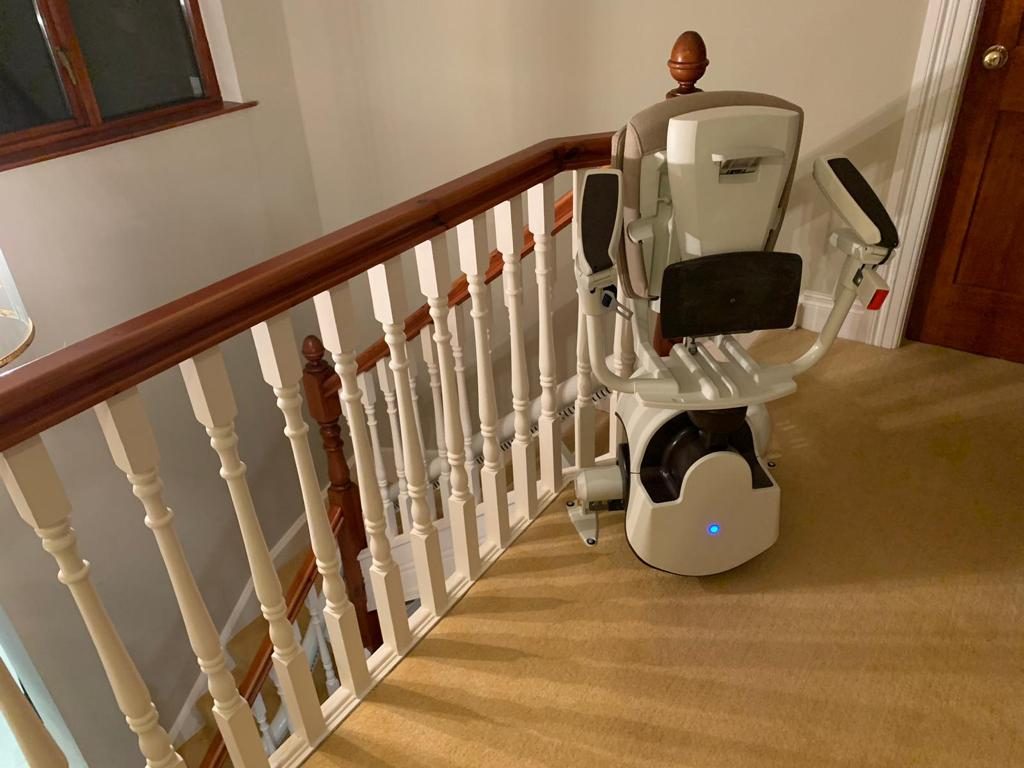
Inspecting stairlift safety features is essential for ensuring the safe operation of your stairlift. Regular checks can help identify potential issues before they become serious problems, providing peace of mind for users and caregivers alike. This guide outlines key aspects to consider when inspecting stairlift safety features.
Understanding Stairlift Safety Features
Stairlifts are equipped with various safety features designed to protect users during operation. Key components include seat belts, footrests, and emergency stop buttons. Each feature plays a critical role in preventing accidents and ensuring user security.
The seat belt secures the user while the stairlift is in motion, minimizing the risk of falls. Footrests should automatically fold up when not in use to prevent tripping hazards. Emergency stop buttons allow users or caregivers to halt operation immediately if necessary, adding an extra layer of security.
Routine Inspection Steps
To maintain optimal performance and safety, follow these inspection steps regularly:
- Check Seat Belts: Ensure that seat belts are functional and free from wear or damage.
- Test Footrest Mechanism: Verify that footrests fold up correctly without obstruction.
- Examine Rail Alignment: Inspect the rail for any misalignment or debris that could hinder movement.
- Assess Battery Condition: Confirm that batteries hold a charge adequately; replace them if they show signs of deterioration.
- Evaluate Emergency Stop Functionality: Test all emergency stop buttons to ensure they work effectively.
By conducting these inspections routinely, you can catch issues early and ensure continued safe usage.
Identifying Common Issues
During your inspections, be vigilant for common issues that may arise with stairlifts:
- Wear on Moving Parts: Over time, components such as gears may wear down due to frequent use.
- Battery Failure Signs: Look for indicators like slower operation or warning lights signaling battery failure.
- Loose Bolts or Screws: Check all bolts and screws for tightness; loose hardware can compromise stability.
Addressing these concerns promptly prevents further complications down the line.
Checklist for Effective Inspections
Use this checklist as a guide during your inspections:
- Seat belt functionality
- Footrest mechanism operational
- Rail alignment clear
- Battery condition adequate
- Emergency stop button effectiveness
Regularly reviewing this checklist helps maintain high safety standards for your stairlift.
Frequently Asked Questions
How often should I inspect my stairlift?
It is recommended to inspect your stairlift at least once every three months or more frequently if it experiences heavy use.
What should I do if I find a problem during inspection?
If you encounter any issues during your inspection, contact a qualified technician immediately for repairs or maintenance services.
Can I perform maintenance myself?
Only the simplest checks, such as wiping the rail with a dry cloth, keeping the lift on charge and checking the socket and key switch. Repairs, lubrication, battery replacement and any electrical work must be carried out by a qualified engineer.
By adhering to these guidelines on inspecting stairlift safety features, you enhance both user confidence and overall equipment reliability so you can enjoy safer mobility within your home environment.
Quick answers
What are key stairlift safety features?
Key safety features are a seat belt, obstruction sensors, a swivel seat that locks, a key switch and battery backup, along with a soft start and stop.
How to inspect a stairlift?
Check between services that the seat belt, sensors, swivel lock and controls all work, and have a qualified engineer carry out a full inspection at least once a year.
Why is stairlift safety important?
A stairlift carries people up and down the stairs every day, so its safety features protect users from falls and collisions and give families peace of mind.
Related guides
Safety Features to Look for in a Stairlift
Safety features to look for in a stairlift include essential elements for safe operation and user comfort.
Read the guideSafety Features to Look for in Outdoor Stair Lifts
Safety features to look for in outdoor stair lifts include essential elements for secure outdoor mobility.
Read the guideHome Lift Safety Features Checklist for Northern Ireland
Home lift safety features checklist ensures safe operation and compliance for your lift.
Read the guideResidential Lift Safety Features in Belfast
Residential lift safety features ensure safe usage and accessibility for all users.
Read the guideEssential Safety Tests for Stairlift Operation
Essential safety tests for stairlift operation ensure safe and reliable use in homes and businesses.
Read the guideHow to Assess Stairlift Safety Ratings
How to assess stairlift safety ratings to ensure safe use and compliance with standards.
Read the guide