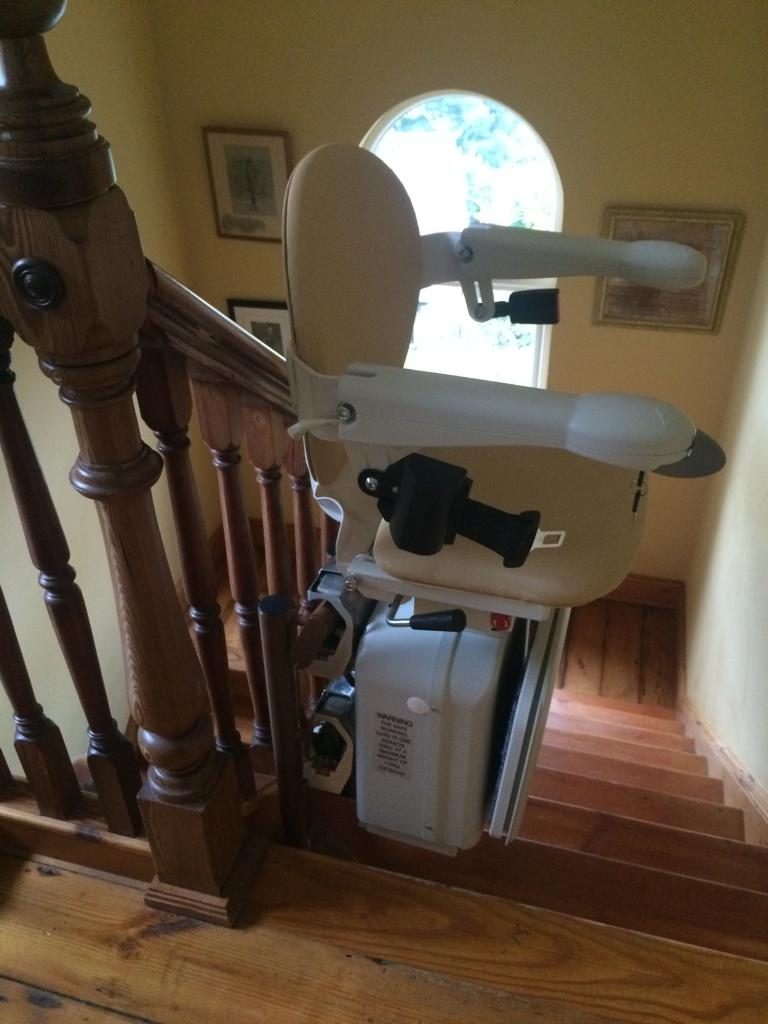
Ensuring the safety of stairlift operation is critical for users and caregivers alike. Regular safety tests help identify potential issues before they become serious problems, ensuring that the stairlifts function reliably and safely. This guide outlines essential safety tests to conduct on stairlifts, focusing on key components and operational checks.
Key Components of Stairlift Safety Tests
Understanding the main components involved in a stairlift's operation is vital for effective safety testing. Each part plays a crucial role in ensuring safe functionality. The primary components include the rail system, seat belt mechanism, battery system, and control panel.
The rail system must be free from obstructions and securely attached to both the stairs and wall brackets. Any misalignment can lead to instability during use. Inspecting the track for debris or damage ensures smooth travel along its length.
The seat belt mechanism should operate correctly without any fraying or wear. A functional seat belt provides necessary security while using the lift. Testing this component involves checking that it locks securely when engaged and releases easily when needed.
Operational Checks Before Use
Before each use of a stairlift, specific operational checks are recommended to ensure user safety. These checks include verifying battery status, testing emergency stop functions, and examining control panel responsiveness.
Battery status is crucial as it powers the lift’s movement. Users should check that batteries are fully charged before each use; many models come with an indicator light showing charge levels. If batteries appear low or malfunctioning, immediate replacement may be necessary to prevent unexpected stops during operation.
Testing emergency stop functions ensures quick response capabilities in case of an unforeseen issue while using the lift. Engaging this feature should halt all movement immediately without causing jarring motions that could endanger users.
Checklist for Routine Maintenance
To maintain optimal performance of your stairlift, implement a routine maintenance checklist that includes these essential tasks:
- Inspect Rail System: Check for debris or damage.
- Test Seat Belt Mechanism: Ensure proper locking and releasing.
- Verify Battery Status: Confirm full charge before use.
- Examine Control Panel: Test all buttons for responsiveness.
- Check Emergency Stop Functionality: Engage to confirm immediate halting ability.
- Review User Manual Instructions: Follow manufacturer guidelines regularly.
This checklist helps maintain consistent performance while enhancing user confidence in their equipment's reliability.
Frequently Asked Questions (FAQ)
How often should I perform safety tests on my stairlift?
Safety tests should ideally be performed monthly to catch any issues early on before they pose risks during operation.
What signs indicate my stairlift needs maintenance?
Common signs include unusual noises during operation, slow movements compared to usual speed, or warning lights indicating battery issues or other malfunctions.
Can I perform these tests myself?
Only the simplest checks, such as wiping the rail with a dry cloth, keeping the lift on charge and checking the socket and key switch. Repairs, lubrication, battery replacement and any electrical work must be carried out by a qualified engineer.
By adhering to these essential safety tests for stairlift operations—conducted regularly—you can ensure safe usage over time so you can focus on mobility without compromise.
Quick answers
What are the essential safety tests for stairlifts?
Essential tests cover the obstruction sensors, seat belt, swivel lock, emergency stop and battery backup, followed by a full journey up and down the stairs.
How often should stairlifts be tested?
Stairlifts should be fully tested at least once a year as part of a professional service, and straight away if a fault is suspected.
What do safety tests for stairlifts include?
Safety tests include checking every safety feature, inspecting the rail and drive, testing the batteries and charging, and checking the controls and a full journey.
Related guides
Safety Features to Look for in a Stairlift
Safety features to look for in a stairlift include essential elements for safe operation and user comfort.
Read the guideSafety Features to Look for in Outdoor Stair Lifts
Safety features to look for in outdoor stair lifts include essential elements for secure outdoor mobility.
Read the guideHome Lift Safety Features Checklist for Northern Ireland
Home lift safety features checklist ensures safe operation and compliance for your lift.
Read the guideResidential Lift Safety Features in Belfast
Residential lift safety features ensure safe usage and accessibility for all users.
Read the guideGuide to Inspecting Stairlift Safety Features
Guide to inspecting stairlift safety features ensures your stairlift meets safety standards.
Read the guideHow to Assess Stairlift Safety Ratings
How to assess stairlift safety ratings to ensure safe use and compliance with standards.
Read the guide