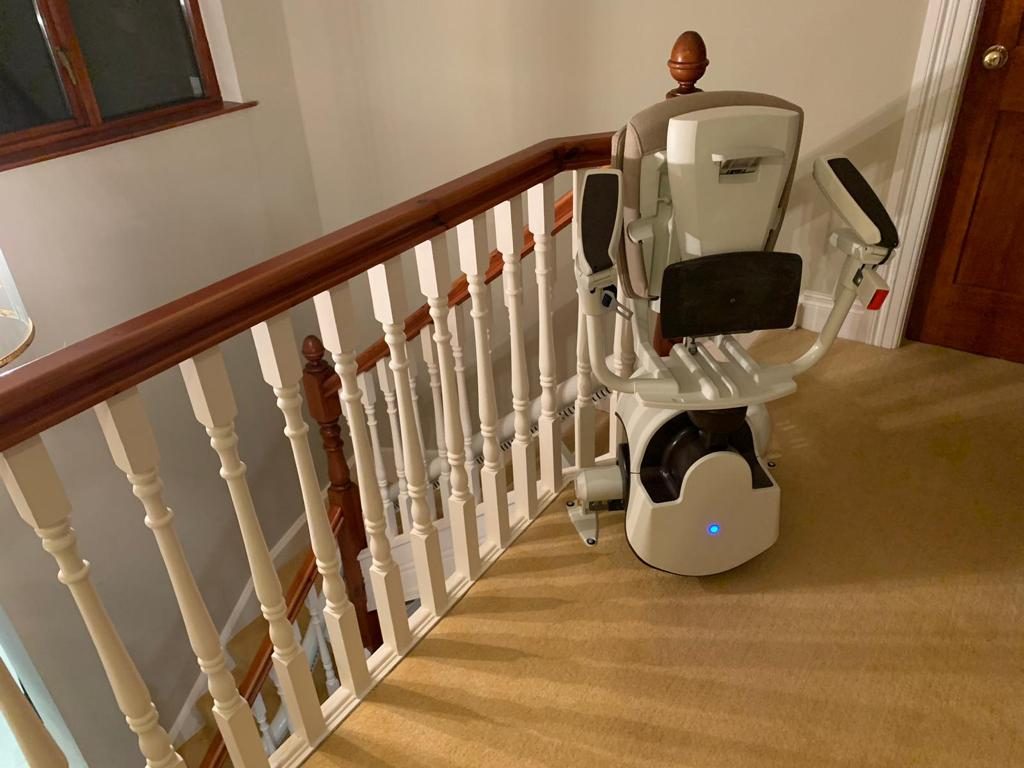
Understanding user safety protocols for stairlift usage is essential to ensure a secure and efficient experience. Stairlifts provide mobility solutions that help individuals navigate their homes safely, but proper usage is critical to prevent accidents or malfunctions. This guide outlines the necessary protocols, key features of stairlifts, and maintenance tips to enhance user safety.
Understanding Stairlift Features
Stairlifts are designed with several safety features that enhance user protection. Key components include seat belts, swivel seats, and obstruction sensors. The seat belt secures the user while in motion, preventing slips or falls. Swivel seats allow users to safely exit at the top or bottom of the stairs without twisting their bodies awkwardly.
Obstruction sensors detect any obstacles on the staircase path and halt operation if something blocks it. This feature prevents potential accidents caused by unexpected items on the stairs. Familiarizing yourself with these features ensures you can use your stairlift effectively while maximizing safety.
Regular inspections of these components are crucial for maintaining optimal functionality. Check that seat belts retract properly and that swivel mechanisms operate smoothly. If any issues arise, contact a professional service technician immediately for repairs.
Safe Operating Procedures
Following safe operating procedures when using a stairlift significantly reduces risks associated with its use. First, always ensure that the area around the lift is clear before boarding. Look out for loose rugs or other items that could pose tripping hazards near the lift's entry points.
Next, sit down carefully in the chair and fasten your seatbelt securely before initiating movement. Ensure you remain seated throughout your ride; standing up can lead to serious injuries if an abrupt stop occurs due to an obstruction sensor activation.
When reaching your destination at either end of the staircase, wait until the lift comes to a complete stop before attempting to disembark. Use handrails when available for added stability as you exit from your stairlift onto solid ground.
Maintenance Tips for Safety Assurance
Regular maintenance plays a vital role in ensuring ongoing safety during stairlift usage. Schedule routine inspections with qualified technicians who specialize in stairlifts every six months or as recommended by your manufacturer’s guidelines.
During these inspections, technicians will check all mechanical parts including tracks, batteries, and electrical connections to confirm they function correctly without wear or damage signs. Keeping records of maintenance visits helps track service history should any issues arise later on.
Additionally, keep surfaces clean where dust accumulation might interfere with moving parts such as tracks or switches—this simple task enhances performance reliability over time.
Checklist: Essential Safety Measures
- Clear Pathway: Ensure no objects obstructing access.
- Secure Seatbelt: Always buckle up before riding.
- Check Functionality: Inspect controls regularly.
- Schedule Maintenance: Arrange biannual checks by professionals.
- Clean Surroundings: Maintain cleanliness around lift areas.
FAQ
What should I do if my stairlift stops working?
Immediately check whether there are any visible obstructions along its path; if none exist and it remains non-functional after resetting power sources (if applicable), contact a technician promptly for assistance.
Can I use my stairlift during power outages?
Most modern models come equipped with battery backups allowing continued operation even during power failures; however verify this feature beforehand through product specifications provided by manufacturers like Northern Ireland Stairlifts [source].
By adhering strictly to these user safety protocols for stairlift usage—including understanding key features operating procedures alongside regular maintenance—you can enjoy enhanced mobility within your home confidently knowing you've taken steps towards safeguarding both yourself others against potential mishaps related lifts!
Quick answers
What are the safety protocols for stairlifts?
Always use the seat belt, keep the rail clear, lock the seat before getting on or off and keep the lift charged.
How to use a stairlift safely?
Sit fully back, fasten the belt, keep your feet on the footrest and hold the control until you arrive.
What checks should be done before using a stairlift?
Before each use, check that the rail is clear, the seat is locked in the travel position, the seat belt fastens and the lift is charged.
Related guides
Safety Features to Look for in a Stairlift
Safety features to look for in a stairlift include essential elements for safe operation and user comfort.
Read the guideSafety Features to Look for in Outdoor Stair Lifts
Safety features to look for in outdoor stair lifts include essential elements for secure outdoor mobility.
Read the guideHome Lift Safety Features Checklist for Northern Ireland
Home lift safety features checklist ensures safe operation and compliance for your lift.
Read the guideResidential Lift Safety Features in Belfast
Residential lift safety features ensure safe usage and accessibility for all users.
Read the guideGuide to Inspecting Stairlift Safety Features
Guide to inspecting stairlift safety features ensures your stairlift meets safety standards.
Read the guideEssential Safety Tests for Stairlift Operation
Essential safety tests for stairlift operation ensure safe and reliable use in homes and businesses.
Read the guide