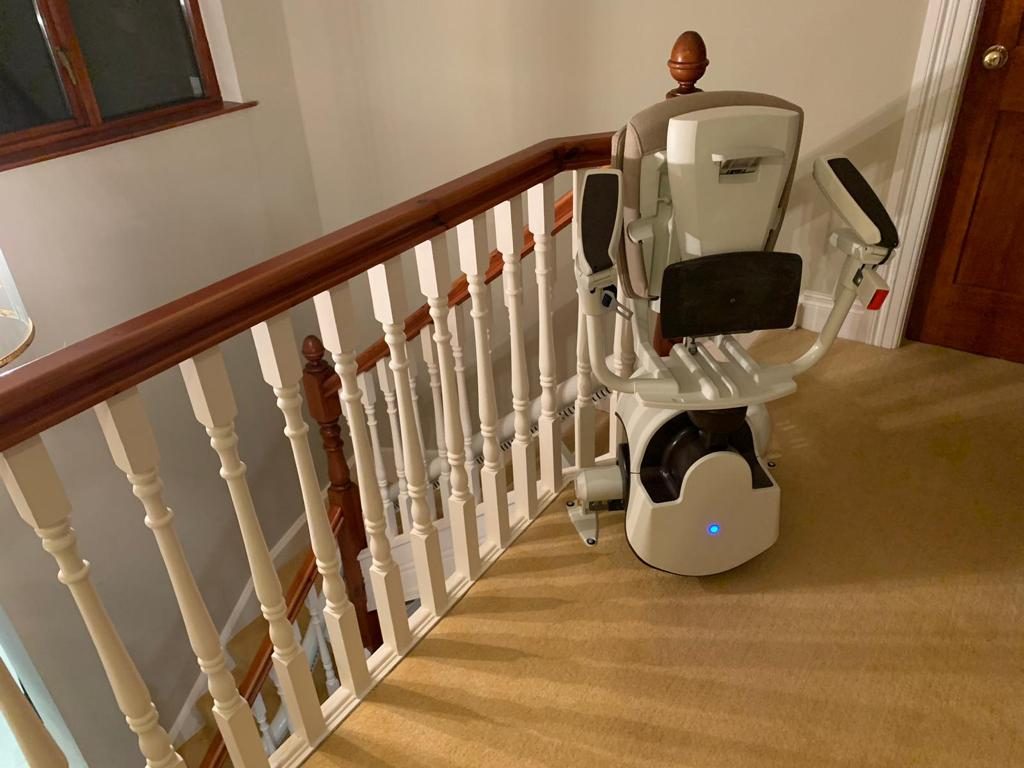
When selecting a stairlift, understanding the safety features is crucial. A stairlift can significantly improve mobility within your home or business, but it must prioritize safety to ensure peace of mind for users and caregivers alike. This guide outlines key safety features to consider when evaluating stairlifts.
Weight Capacity and Stability
The weight capacity of a stairlift is one of the most critical safety features. Each model has a specified maximum weight limit that should not be exceeded. Ensure you choose a model that accommodates the user's weight comfortably while maintaining stability during operation. In addition, look for models with robust construction materials designed to withstand daily use without compromising structural integrity.
Stability also involves how well the stairlift adheres to the staircase itself. Models equipped with secure rail systems minimize movement during ascent or descent, offering added reassurance. Check if the installation includes proper anchoring methods tailored to your staircase type—whether straight or curved—to enhance overall stability.
Emergency Features
Emergency features are essential components of any reliable stairlift system. Look for models equipped with emergency stop buttons easily accessible by users in case they encounter difficulties while using the lift. Additionally, some advanced models include built-in sensors that detect obstacles on the stairs, automatically stopping operation if an obstruction is detected.
Battery backup systems are another vital feature; they ensure continued functionality during power outages, allowing users to reach their destination safely even when electricity is unavailable. Verify whether these systems have been tested under real conditions and how long they can operate on battery power alone.
Safety Belts and Footrests
Safety belts play an important role in preventing falls during transit on a stairlift. Ensure that any model you consider comes standard with adjustable seat belts designed for comfort as well as security. These belts should be easy to fasten and unfasten independently by users or caregivers without requiring excessive force.
Footrests are equally significant; they should automatically fold up when not in use to avoid tripping hazards on stairs below the lift's path. Some designs incorporate anti-slip surfaces on footrests for additional grip, reducing risks associated with shifting feet during operation.
Checklist: Key Safety Features
- Weight Capacity: Confirm maximum load limits.
- Stability Measures: Inspect rail attachment methods.
- Emergency Stop Button: Ensure accessibility.
- Obstacle Detection Sensors: Verify functionality.
- Battery Backup System: Check operational duration.
- Adjustable Safety Belts: Assess ease of use.
- Automatic Folding Footrests: Confirm design efficiency.
FAQ About Stairlift Safety Features
What should I do if my stairlift stops working unexpectedly?
If your stairlift stops functioning suddenly, first check if there’s a power outage affecting its operation or if an emergency stop button has been activated inadvertently. Consult your user manual for troubleshooting steps specific to your model before contacting customer support for further assistance.
How often should I maintain my stairlift?
Regular maintenance checks are recommended at least once every six months by qualified technicians familiar with your specific model's requirements and safety standards. Routine inspections help identify potential issues early and ensure all safety mechanisms function correctly over time.
Are there different types of safety features available across brands?
Yes, different brands may offer varying levels of advanced technology concerning safety features such as automatic obstacle detection or enhanced battery life capabilities during outages. Researching multiple options allows you to compare these innovations effectively before making a purchase decision based on individual needs and preferences.
By focusing on these essential aspects—weight capacity, emergency measures, and user-friendly designs—you can make informed choices about which stairlifts provide optimal protection alongside convenience so you can navigate spaces confidently within your home or business environment safely.
Quick answers
What are the key safety features of a stairlift?
Look for a seat belt, obstruction sensors on the carriage and footrest, a swivel seat that locks, a key switch to prevent unauthorised use, a soft start and stop and battery backup for power cuts.
How do I choose a safe stairlift?
Choose a lift that has all the essential safety features, meets the relevant standards and is installed and serviced by qualified engineers.
Are there safety standards for stairlifts?
Yes. Stairlifts sold and installed in Northern Ireland should meet the relevant British and European safety standards, which cover design, safety features and installation.
What should I check before using a stairlift?
Check that the rail is clear, the seat is locked in the travel position, the belt fastens and the lift is charged.
Related guides
Safety Features to Look for in Outdoor Stair Lifts
Safety features to look for in outdoor stair lifts include essential elements for secure outdoor mobility.
Read the guideHome Lift Safety Features Checklist for Northern Ireland
Home lift safety features checklist ensures safe operation and compliance for your lift.
Read the guideResidential Lift Safety Features in Belfast
Residential lift safety features ensure safe usage and accessibility for all users.
Read the guideGuide to Inspecting Stairlift Safety Features
Guide to inspecting stairlift safety features ensures your stairlift meets safety standards.
Read the guideEssential Safety Tests for Stairlift Operation
Essential safety tests for stairlift operation ensure safe and reliable use in homes and businesses.
Read the guideHow to Assess Stairlift Safety Ratings
How to assess stairlift safety ratings to ensure safe use and compliance with standards.
Read the guide