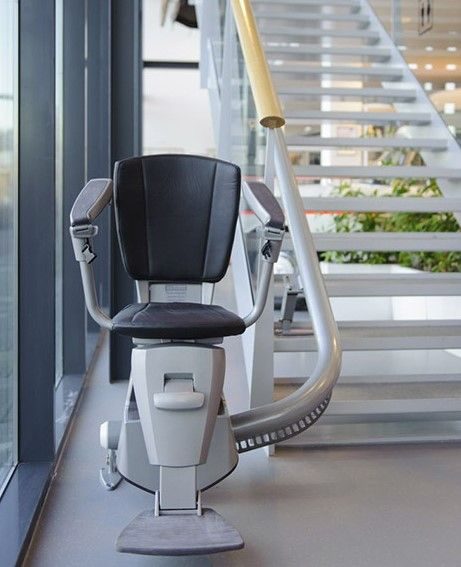
Residential lift safety features are essential for ensuring the well-being of users in home environments. These features not only enhance user confidence but also comply with regulatory standards. Understanding these components is crucial for selecting a stairlift that meets both safety and accessibility needs.
Safety mechanisms in residential lifts include various systems designed to prevent accidents and ensure secure operation. These can encompass emergency stop buttons, overload sensors, and automatic braking systems. Each feature plays a vital role in mitigating risks associated with stairlift use.
Emergency Stop Mechanisms
Emergency stop mechanisms provide immediate control over the lift's operation during unforeseen circumstances. Typically located within easy reach of the user, these buttons allow for quick halting of the lift's movement if necessary. This feature is particularly important for individuals who may experience sudden health issues or require assistance while using the stairlift.
In addition to manual stops, many modern residential lifts incorporate automated emergency protocols. For example, some models automatically halt when they detect an obstruction on the track or if there is a malfunction in power supply. Such advanced systems contribute significantly to user safety by preventing potential accidents before they occur.
Overload Sensors
Overload sensors are critical components that help maintain safe operational limits for residential lifts. These sensors monitor weight capacity and will prevent the lift from operating if it detects excessive load beyond its specified limit. This feature protects both users and equipment from damage due to improper usage.
Furthermore, overload sensors often trigger visual or audible alerts to inform users when weight limits have been exceeded. By providing this feedback, users can adjust their approach—whether by reducing their load or seeking assistance—ensuring safer operation every time they use the lift.
Automatic Braking Systems
Automatic braking systems serve as another layer of protection within residential lifts. These systems engage whenever there is a loss of power or if an unexpected disruption occurs during operation. The brakes activate instantly, bringing the lift to a controlled stop without causing abrupt jolts that could endanger passengers.
Additionally, many automatic braking systems are designed with redundancy in mind; should one mechanism fail, another will take over to ensure continued safety performance. This dual-layered approach enhances reliability and instills greater confidence among users regarding their mobility solutions at home.
Checklist: Key Safety Features to Consider
- Emergency Stop Button: Ensure it’s easily accessible.
- Overload Sensor: Verify functionality and alert system.
- Automatic Braking System: Confirm presence and reliability.
- Safety Belts: Check availability for added security.
- Track Stability: Inspect installation quality regularly.
FAQ
What should I look for in a stairlift?
When selecting a stairlift, prioritize features such as emergency stops, overload sensors, and reliable braking mechanisms along with overall comfort options like seating style and ergonomic controls.
How often should I maintain my stairlift?
Regular maintenance checks should be conducted at least once per year to ensure all safety features function correctly and any wear-and-tear issues are addressed promptly.
By understanding these essential residential lift safety features—emergency stops, overload sensors, automatic brakes—you can make informed decisions about your mobility solutions at home so you can enhance your independence while prioritizing your safety effectively.
Quick answers
What are the key safety features of residential lifts?
Residential lifts should have safety sensors, emergency stop buttons, battery backup, secure doors or gates and simple, clearly marked controls.
How do residential lifts ensure user safety?
With sensors that stop the lift on contact, secure doors and backup power to reach a floor safely.
What maintenance is required for lift safety?
Book regular professional servicing, and between visits check that the doors close properly, the emergency stop works and the lift runs smoothly.
Are residential lifts compliant with safety standards?
Lifts from reputable manufacturers are built to the relevant British and European standards. Ask your installer to confirm this and to provide the documentation.
Related guides
Safety Features to Look for in a Stairlift
Safety features to look for in a stairlift include essential elements for safe operation and user comfort.
Read the guideSafety Features to Look for in Outdoor Stair Lifts
Safety features to look for in outdoor stair lifts include essential elements for secure outdoor mobility.
Read the guideHome Lift Safety Features Checklist for Northern Ireland
Home lift safety features checklist ensures safe operation and compliance for your lift.
Read the guideGuide to Inspecting Stairlift Safety Features
Guide to inspecting stairlift safety features ensures your stairlift meets safety standards.
Read the guideEssential Safety Tests for Stairlift Operation
Essential safety tests for stairlift operation ensure safe and reliable use in homes and businesses.
Read the guideHow to Assess Stairlift Safety Ratings
How to assess stairlift safety ratings to ensure safe use and compliance with standards.
Read the guide