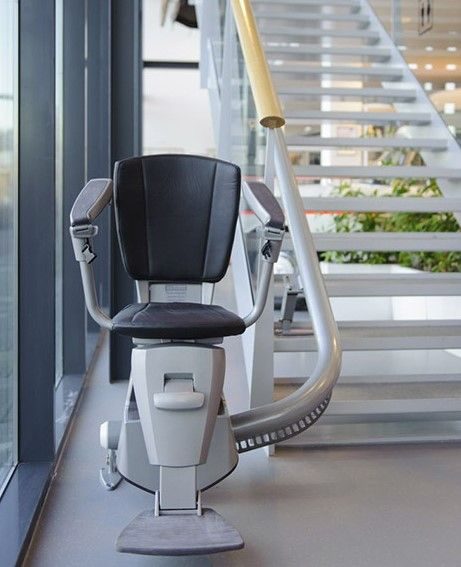
Stairlifts provide essential mobility solutions for individuals with limited mobility, but their safety is paramount. Understanding the critical components affecting stairlift safety ensures that users can navigate their homes or businesses without risk. This guide outlines these components and offers practical insights into maintaining a safe stairlift environment.
Mechanical Integrity of the Stairlift
The mechanical integrity of a stairlift is crucial for its safe operation. Key elements include the rail system, motor, and drive mechanism. The rail must be securely mounted to prevent movement during use; any misalignment can lead to accidents. Regular inspections should focus on signs of wear or damage in these areas.
The motor powers the stairlift's ascent and descent along the rail. A malfunctioning motor may cause erratic movements, posing significant risks to users. It is essential to have qualified technicians conduct routine maintenance checks on both the motor and drive mechanisms, ensuring they function smoothly without unusual sounds or resistance.
Regularly scheduled maintenance not only extends the lifespan of your stairlift but also significantly reduces safety hazards associated with mechanical failures.
User Controls and Safety Features
User controls are integral to operating a stairlift safely. These controls should be intuitive and accessible for all potential users, including those with limited dexterity or vision impairment. Common features include joystick controls, remote controls, and call buttons located at both ends of the staircase.
Safety features such as seat belts and swivel seats enhance user security while using a stairlift. Seat belts keep users securely positioned throughout their ride, while swivel seats allow for easier entry and exit at landings—minimizing fall risks when transitioning from stairs to level surfaces.
Users should familiarize themselves with all control functions before using a stairlift independently. Training sessions conducted by professionals can help ensure that users understand how to operate their devices safely.
Environmental Factors Impacting Safety
Environmental factors play a significant role in stairlift safety as well. The installation area must be free from obstructions like furniture or decorative items that could impede access or create trip hazards during use. Adequate lighting along stairs enhances visibility, reducing accidents caused by poor sightlines.
Weather conditions can also affect outdoor stairlifts; rain or snow accumulation may compromise traction on steps leading up to an entrance equipped with an outdoor lift system. Installing non-slip surfaces on stairs where outdoor lifts are used can further enhance grip during adverse weather conditions.
Homeowners should regularly assess their environments for changes that might impact safety standards related to their specific installations—this includes checking lighting levels and ensuring pathways remain clear of obstacles.
Checklist for Stairlift Safety Maintenance
- Inspect mechanical components (rail alignment, motor functionality).
- Test user controls for responsiveness.
- Verify proper functioning of safety features (seat belts).
- Ensure installation area remains clutter-free.
- Maintain adequate lighting around stairs.
- Assess environmental impacts regularly (weather-related concerns).
FAQ
What regular maintenance does my stairlift require?
Routine maintenance should include inspections every six months focusing on mechanical parts like rails and motors as well as testing user control systems.
How do I know if my stairlift needs repairs?
Signs such as unusual noises during operation, difficulty moving along rails, or failure of user controls indicate that immediate repairs are necessary.
Can environmental factors affect my indoor stairlifts?
Yes, factors like cluttered spaces or inadequate lighting can increase accident risks when using indoor models; it’s vital to maintain clear pathways at all times.
Every home is different, so the best next step is a free survey, where we can answer your questions in person.
Quick answers
What are the key components of stairlift safety?
The rail and its fixings, the drive system, obstruction sensors, seat belt, swivel lock, controls and batteries are the critical components for stairlift safety.
How does installation affect stairlift safety?
A professional installation ensures the rail is secure, the lift is aligned and the safety features work correctly.
What maintenance is required for stairlift safety?
An annual professional service keeps the critical components safe, with simple checks between services such as keeping the rail clean and testing the seat belt.
Related guides
Safety Features to Look for in a Stairlift
Safety features to look for in a stairlift include essential elements for safe operation and user comfort.
Read the guideSafety Features to Look for in Outdoor Stair Lifts
Safety features to look for in outdoor stair lifts include essential elements for secure outdoor mobility.
Read the guideHome Lift Safety Features Checklist for Northern Ireland
Home lift safety features checklist ensures safe operation and compliance for your lift.
Read the guideResidential Lift Safety Features in Belfast
Residential lift safety features ensure safe usage and accessibility for all users.
Read the guideGuide to Inspecting Stairlift Safety Features
Guide to inspecting stairlift safety features ensures your stairlift meets safety standards.
Read the guideEssential Safety Tests for Stairlift Operation
Essential safety tests for stairlift operation ensure safe and reliable use in homes and businesses.
Read the guide