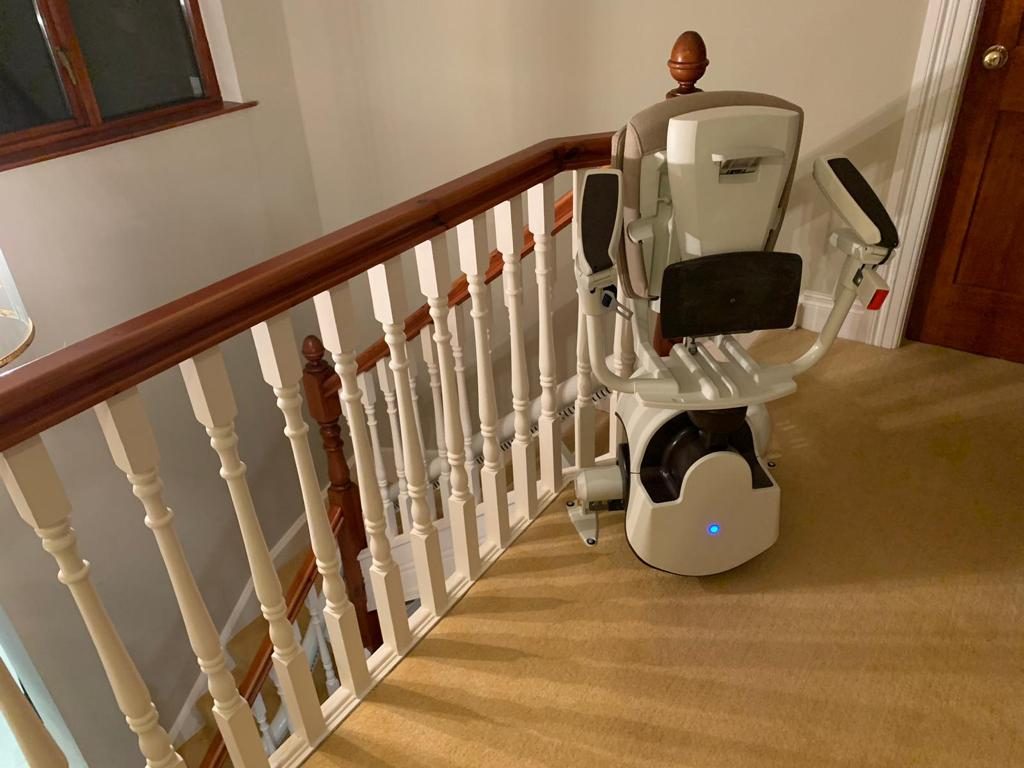
Safety features are crucial in stairlifts, ensuring secure and reliable operation for users. These features not only enhance user confidence but also minimize the risk of accidents during use. By understanding these components, you can make informed decisions when selecting a stairlift that meets your needs.
Key Safety Features of Stairlifts
Stairlifts come equipped with various safety features designed to protect users during operation. One primary feature is the seatbelt, which secures the user while traveling up or down the stairs. This simple yet effective mechanism prevents accidental falls and ensures that users remain safely seated throughout their journey.
Another essential safety feature is the obstruction sensor. This technology detects any obstacles on the staircase and automatically stops the lift if an object is detected in its path. Such sensors significantly reduce the likelihood of collisions, providing peace of mind for both users and caregivers alike.
Moreover, many stairlifts include a swivel seat function that allows users to easily exit at the top or bottom of the stairs without twisting their bodies awkwardly. This design minimizes strain on joints and reduces fall risks associated with dismounting from a lift.
Additional Safety Considerations
In addition to built-in safety mechanisms, regular maintenance plays a vital role in ensuring stairlift reliability. Scheduled inspections help identify potential issues before they become significant problems. It’s advisable to follow manufacturer guidelines regarding maintenance frequency to ensure optimal performance.
Furthermore, choosing a reputable installation service enhances safety by ensuring that all components are correctly fitted and functioning as intended. Professional installers will verify that all safety features operate effectively before handing over control to you.
When evaluating different models, consider additional options such as emergency stop buttons or battery backup systems for power outages. These features provide extra layers of security during unforeseen circumstances.
Checklist for Evaluating Stairlift Safety Features
- Seatbelt: Ensure it is easily accessible and functional.
- Obstruction Sensors: Confirm operational status through testing.
- Swivel Seat Functionality: Test ease of use when entering/exiting.
- Emergency Stop Button: Verify placement and accessibility.
- Battery Backup System: Check functionality in case of power failure.
- Regular Maintenance Schedule: Establish a routine check-up plan with professionals.
Frequently Asked Questions
What should I do if my stairlift stops working?
If your stairlift ceases operation unexpectedly, first check if there’s an obstruction blocking its path or if it requires charging (in case it's battery-operated). If these steps do not resolve the issue, consult your manufacturer or installer for further assistance.
How often should I maintain my stairlift?
It is recommended to schedule maintenance at least once every year; however, more frequent checks may be necessary depending on usage levels and specific model requirements outlined by your manufacturer.
Can I install a stairlift myself?
No. Stairlifts and lifts must be installed by qualified engineers, who fix the rail securely, connect the electrics and test every safety feature. This keeps you safe and protects the manufacturer's warranty.
By prioritizing these safety features when selecting your stairlift, you can ensure greater independence while minimizing risks associated with mobility challenges within your home environment so you can navigate stairs confidently and securely each day.
Quick answers
What are the key safety features of stairlifts?
Key safety features include a seat belt, safety sensors that stop the lift on contact with an obstruction, a swivel seat that locks, a key switch, a smooth start and stop, and battery backup.
How do safety features work in stairlifts?
Sensors on the carriage and footrest detect obstructions and stop the lift. The seat belt holds you in place, and the swivel seat locks at the top so you can get off safely.
Why are safety features important for stairlifts?
They protect the user from falls, collisions and accidents, and give families peace of mind that the lift will stop if anything is in its way.
Guides in this section
Safety Features to Look for in a Stairlift
Safety features to look for in a stairlift include essential elements for safe operation and user comfort.
Read the guideSafety Features to Look for in Outdoor Stair Lifts
Safety features to look for in outdoor stair lifts include essential elements for secure outdoor mobility.
Read the guideHome Lift Safety Features Checklist for Northern Ireland
Home lift safety features checklist ensures safe operation and compliance for your lift.
Read the guideResidential Lift Safety Features in Belfast
Residential lift safety features ensure safe usage and accessibility for all users.
Read the guideGuide to Inspecting Stairlift Safety Features
Guide to inspecting stairlift safety features ensures your stairlift meets safety standards.
Read the guideEssential Safety Tests for Stairlift Operation
Essential safety tests for stairlift operation ensure safe and reliable use in homes and businesses.
Read the guideHow to Assess Stairlift Safety Ratings
How to assess stairlift safety ratings to ensure safe use and compliance with standards.
Read the guideCritical Components Affecting Stairlift Safety
Critical components affecting stairlift safety include design, installation, and maintenance factors.
Read the guideUser Safety Protocols for Stairlift Usage in Northern Ireland
User safety protocols for stairlift usage ensure safe operation and maintenance of stairlifts.
Read the guideGuidelines for Safe Stairlift Maintenance in Belfast
Guidelines for safe stairlift maintenance ensure optimal performance and safety for users.
Read the guide